One App. Every Woman.
One App. Every Woman.
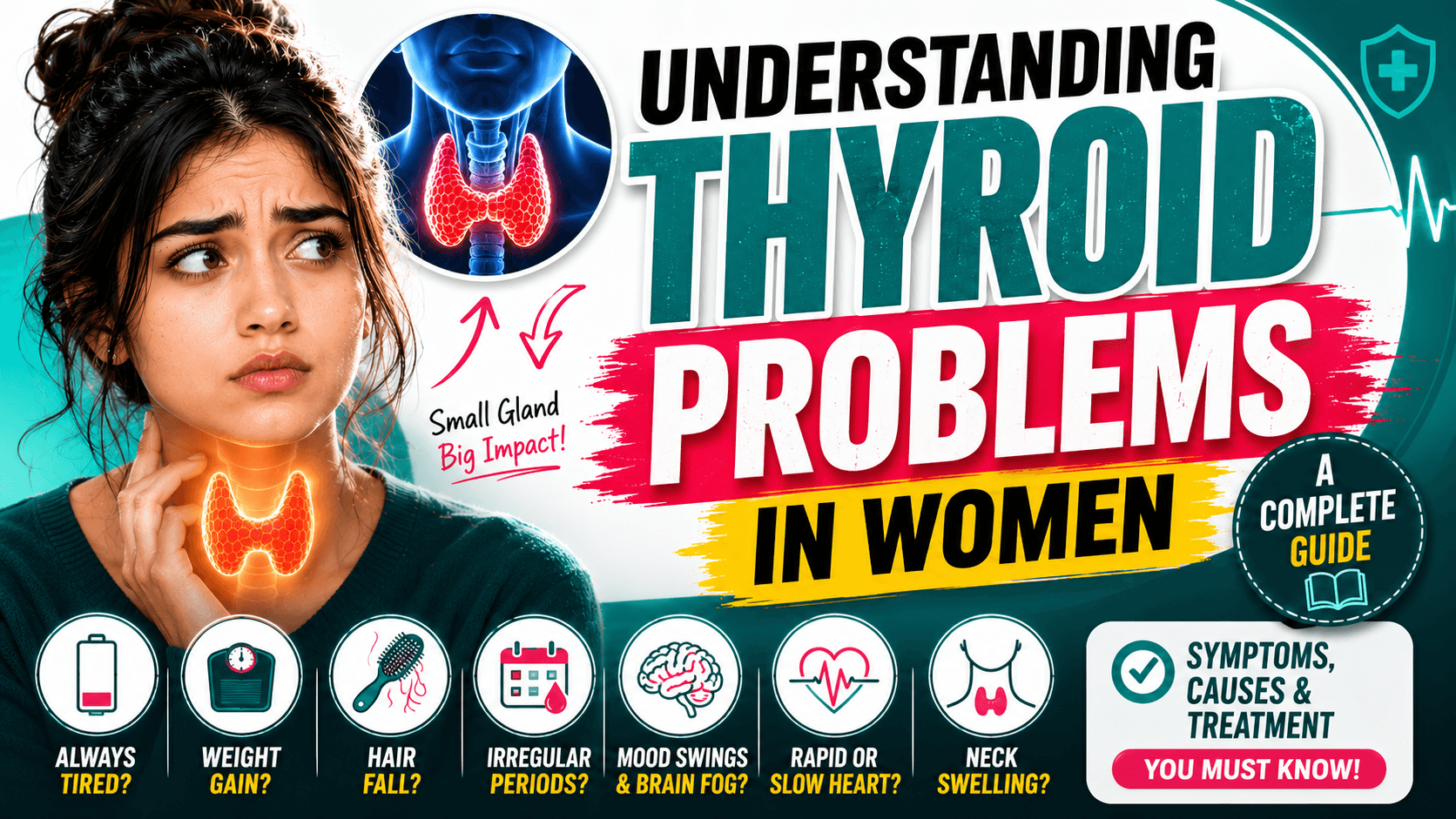
Explore a comprehensive guide on thyroid problems in women, covering symptoms, causes, and treatments to empower your health journey.

Maryam Mumtaz
Co-Founder & CEO
18 min read•8/3/2026
Marsa Empower · Women's Health · Hormonal Wellness · For Girls & Women Aged 13 and Above · 18 min read
"The thyroid is a small gland with an enormous job. When it stops working correctly, almost everything in the body feels the effect — and recognising the signs early makes all the difference."
She has been tired for months — a heavy, bone-deep tiredness that sleep does not seem to fix. Her weight has crept up despite no significant change in what she eats. Her skin has become dry and rough. Her hair is thinning. Her periods have changed. She feels cold when everyone around her is comfortable. She is not as sharp mentally as she used to be — words come more slowly, concentration drifts.
Every time she mentions these symptoms individually, she is told something different: stress, poor sleep, getting older, anxiety. Nobody connects the dots.
But these symptoms are connected. They have a single source — and that source is a small, butterfly-shaped gland in the front of the neck called the thyroid.
Thyroid disorders are among the most common medical conditions in women — affecting an estimated one in eight women during their lifetime. In Pakistan and South Asia, rates may be even higher due to historically prevalent iodine deficiency and a significant under-diagnosis rate. Yet thyroid conditions remain frequently missed, misattributed, and managed years later than they should be.
This guide explains everything — what the thyroid is, what happens when it stops working correctly, how to recognise the symptoms, how thyroid problems are diagnosed and treated, and what you can do to support your thyroid health.
The thyroid gland is a small, butterfly-shaped gland located in the lower front of the neck — just below the Adam's apple, wrapped around the front of the windpipe (trachea). In a healthy adult woman, it weighs approximately 20 to 30 grams. It is soft, and in a healthy thyroid, it is not visible or palpable from the outside.
The thyroid's primary function is to produce two hormones — thyroxine (T4) and triiodothyronine (T3) — which together regulate the metabolic rate of virtually every cell in the body.
Think of thyroid hormones as the body's metabolic thermostat. They control how fast or slow cellular processes run — how quickly food is converted to energy, how fast the heart beats, how quickly or slowly the bowels move, how much heat the body generates, and how rapidly or slowly cells grow and divide.
When thyroid hormone levels are optimal, all of these processes run smoothly and efficiently. When thyroid hormone is insufficient (hypothyroidism), every process slows down. When thyroid hormone is excessive (hyperthyroidism), every process speeds up.
The thyroid does not operate independently. It is regulated by a feedback loop involving the brain:
This is why TSH (thyroid-stimulating hormone) is the primary blood marker used to assess thyroid function. When the thyroid is underactive, TSH rises (the pituitary is shouting louder to a thyroid that is not responding adequately). When the thyroid is overactive, TSH falls (the pituitary reduces its signals in response to excess thyroid hormone).
| Body System | Effect of Thyroid Hormones |
|---|---|
| Metabolism | Controls the rate at which food is converted to energy |
| Heart | Regulates heart rate and contractility |
| Brain | Supports cognitive function, mood, and memory |
| Digestive system | Controls bowel movement speed |
| Skin and hair | Influences cell growth, moisture, and hair follicle cycling |
| Muscles | Affects strength, endurance, and recovery |
| Bones | Influences bone density and remodelling |
| Reproductive system | Affects ovulation, menstrual regularity, and fertility |
| Body temperature | Helps regulate heat production |
| Weight | Influences metabolic rate and fat storage |
Women are five to eight times more likely than men to develop thyroid disorders — a significant disparity that reflects several interconnected biological reasons.
The most common causes of both hypothyroidism (Hashimoto's thyroiditis) and hyperthyroidism (Graves' disease) are autoimmune conditions — in which the body's own immune system attacks the thyroid. Women are significantly more prone to autoimmune conditions in general, due to sex differences in immune system regulation that are partly driven by oestrogen. Oestrogen appears to enhance certain immune responses in ways that increase autoimmune vulnerability.
Women undergo several major hormonal transitions across their reproductive lifespan — puberty, each pregnancy, the postpartum period, perimenopause, and menopause. Each of these transitions involves significant shifts in sex hormone levels that interact with thyroid function and can trigger or unmask thyroid conditions.
Postpartum thyroiditis — inflammation of the thyroid in the months following childbirth — affects approximately 5 to 10% of women and is one of the most common yet most frequently missed thyroid conditions.
Iodine is the primary raw material from which thyroid hormones are made. Women require slightly higher iodine intake during pregnancy and breastfeeding, and historically, populations in South Asia — including Pakistan — have experienced higher rates of iodine deficiency, increasing thyroid disorder risk.
Thyroid conditions run in families — and because thyroid conditions are more common in women, a family history of thyroid disease among female relatives is an important risk indicator.
| Condition | What Is Happening | Most Common In |
|---|---|---|
| Hypothyroidism | Thyroid produces too little hormone | Women over 30 · Postpartum women · Perimenopausal women |
| Hyperthyroidism | Thyroid produces too much hormone | Women 20–40 · Can occur at any age |
| Hashimoto's thyroiditis | Autoimmune attack on thyroid → hypothyroidism | Women (8–10x more than men) |
| Graves' disease | Autoimmune stimulation of thyroid → hyperthyroidism | Women 20–40 |
| Thyroid nodules | Lumps forming within thyroid tissue | Common after 40 · More common in women |
| Goitre | Enlarged thyroid gland | Can occur with hypo or hyperthyroidism |
| Postpartum thyroiditis | Thyroid inflammation after childbirth | Affects 5–10% of postpartum women |
| Thyroid cancer | Malignant thyroid cells | More common in women · Highly treatable when caught early |
Hypothyroidism is the most common thyroid disorder — and the most consistently under-diagnosed.
In hypothyroidism, the thyroid gland produces insufficient amounts of T3 and T4. Because thyroid hormones regulate the metabolic rate of every cell, insufficient thyroid hormone slows down virtually every system in the body.
The most common cause of hypothyroidism globally is Hashimoto's thyroiditis — an autoimmune condition in which the immune system produces antibodies that attack and progressively destroy thyroid tissue. Over time, this immune attack reduces the thyroid's capacity to produce adequate hormone.
In Pakistan and South Asia, iodine deficiency — which reduces the raw material needed to make thyroid hormones — has historically been a significant additional cause, though iodisation of salt has improved this picture considerably.
Hypothyroidism develops gradually — often over months or years — which is one of the main reasons it is missed for so long. The body adapts to declining thyroid hormone levels slowly, and each individual symptom is easy to attribute to other causes. By the time the full cluster of symptoms is present and severe enough to prompt investigation, the thyroid may have been declining for years.
Many women are in a state called subclinical hypothyroidism — in which TSH is elevated (indicating the pituitary is trying to stimulate a struggling thyroid) but T4 levels are still technically within the normal range. Women at this stage often experience symptoms — fatigue, brain fog, weight gain — but standard blood tests may be reported as "normal" without looking at the full picture. This is a clinically important and frequently missed category.
In hyperthyroidism, the thyroid produces excessive amounts of thyroid hormones. This accelerates every metabolic process in the body — producing a cluster of symptoms that are distinctly different from hypothyroidism in character, though some symptoms overlap.
The most common cause is Graves' disease — an autoimmune condition in which the immune system produces antibodies (TSI — thyroid-stimulating immunoglobulins) that continuously stimulate the thyroid to produce more hormone than the body needs.
Other causes include:
Rarely, severe untreated hyperthyroidism can produce a thyroid storm — an extreme acceleration of all thyroid-driven processes that can cause dangerously rapid heart rate, very high fever, confusion, and cardiac complications. This is a medical emergency requiring immediate hospitalisation. Recognition of and treatment for hyperthyroidism long before this point is the priority.
Thyroid nodules are lumps that form within the thyroid gland. They are very common — particularly in women over 40 — and the vast majority (over 90%) are benign. Nodules can be detected through a physical examination when large enough to feel, or through imaging. Even benign nodules are monitored because a small proportion can become cancerous.
A goitre is simply an enlarged thyroid gland. It can develop from many causes — iodine deficiency, Hashimoto's thyroiditis, Graves' disease, or thyroid nodules. Small goitres are common and may require no treatment beyond addressing the underlying cause. Large goitres can cause visible neck swelling, pressure in the throat, difficulty swallowing, or hoarseness.
Postpartum thyroiditis is an autoimmune inflammation of the thyroid that occurs in the months following childbirth — typically between one and twelve months after delivery. It often follows a characteristic pattern:
The postpartum phase can feel like a mood disorder or simple exhaustion — making the thyroid connection easy to miss without a blood test.
Thyroid cancer is relatively uncommon but is the most rapidly increasing cancer type in many countries — largely due to improved detection of small nodules. It is significantly more common in women than men (approximately three times more common). The prognosis for most thyroid cancers is excellent — differentiated thyroid cancers (papillary and follicular) caught early have very high long-term survival rates with appropriate treatment.
Regular monitoring of any detected thyroid nodule and seeking evaluation for any rapidly growing neck mass is the appropriate approach.
Because thyroid hormones affect nearly every system in the body, the symptoms of thyroid dysfunction are wide-ranging. This is both why thyroid conditions produce such a broad cluster of symptoms — and why individual symptoms are so easily attributed to other causes.
| Symptom | Why It Happens |
|---|---|
| Persistent fatigue | Slowed metabolism → reduced cellular energy production |
| Weight gain | Slower metabolism reduces caloric expenditure · Fluid retention |
| Cold intolerance | Reduced heat generation from slowed metabolism |
| Constipation | Slowed bowel motility |
| Dry, rough skin | Reduced skin cell turnover and moisture production |
| Hair thinning or loss | Hair follicle cycling disrupted by low thyroid hormone |
| Outer third of eyebrows thinning | A specific and relatively distinctive hypothyroidism sign |
| Slowed heart rate | Reduced cardiac stimulation |
| Depression and low mood | Low thyroid hormone reduces serotonin activity in the brain |
| Brain fog and poor memory | Cognitive function requires adequate thyroid hormone |
| Heavy or irregular periods | Thyroid hormone affects the uterine lining and hormonal cycle |
| Muscle weakness and cramps | Slowed muscle cell metabolism |
| Puffy face | Fluid retention — particularly around the eyes in the morning |
| Hoarse voice | Thyroid enlargement or fluid retention affecting the larynx |
| High cholesterol | Low thyroid hormone slows cholesterol clearance |
| Symptom | Why It Happens |
|---|---|
| Unexplained weight loss | Accelerated metabolism burns through calories |
| Increased appetite | Despite weight loss — metabolism demands more fuel |
| Rapid or irregular heartbeat | Thyroid hormones directly stimulate cardiac rate |
| Heat intolerance and excessive sweating | Excess heat generated by accelerated metabolism |
| Anxiety, nervousness, irritability | Overstimulation of the nervous system |
| Tremor | Fine trembling of the hands from nervous system overstimulation |
| Sleep difficulties | Difficulty falling or staying asleep from overactivation |
| Diarrhoea or frequent bowel movements | Accelerated bowel motility |
| Hair thinning | Accelerated and disrupted hair follicle cycling |
| Muscle weakness | Despite physical restlessness — muscles are weakened |
| Light, infrequent, or absent periods | Thyroid hormone excess disrupts the reproductive hormonal cycle |
| Enlarged thyroid (goitre) | Particularly prominent in Graves' disease |
| Eye changes (Graves' disease) | Protruding or bulging eyes (exophthalmos) · Eye irritation |
| Feeling constantly "wired" | Nervous system overstimulation |
Several symptoms occur in both hypothyroidism and hyperthyroidism — fatigue, hair changes, and irregular periods can be present in both directions of thyroid dysfunction. This is one reason why laboratory testing is essential — symptoms alone cannot reliably distinguish between an underactive and overactive thyroid.
Autoimmune conditions:
Iodine imbalance:
Thyroiditis: Inflammation of the thyroid — from viral infection, postpartum changes, or other causes — can cause temporary hypo or hyperthyroidism
Thyroid nodules: Some nodules produce thyroid hormone independently, causing hyperthyroidism
Thyroid cancer: Abnormal cell growth in the thyroid
| Risk Factor | Why It Increases Risk |
|---|---|
| Female sex | Five to eight times higher risk than men — autoimmune and hormonal factors |
| Family history of thyroid disease | Strong genetic component — particularly for autoimmune thyroid conditions |
| Personal history of other autoimmune conditions | (Type 1 diabetes, rheumatoid arthritis, lupus, coeliac disease) — increase risk of autoimmune thyroid disease |
| Pregnancy and the postpartum period | Hormonal shifts trigger postpartum thyroiditis in susceptible women |
| Age over 60 | Hypothyroidism becomes more common with age |
| History of head or neck radiation | Radiation damages thyroid tissue |
| Iodine deficiency or excess | Both extremes of iodine disrupt thyroid function |
| Certain medications | Lithium · Amiodarone · Some immunotherapy agents can affect thyroid function |
Thyroid hormones interact closely with the hormones governing the menstrual cycle. Both hypothyroidism and hyperthyroidism can disrupt the cycle significantly:
Hypothyroidism and periods:
Hyperthyroidism and periods:
When periods change significantly without an obvious reproductive cause, thyroid function testing should be among the first investigations performed.
Both hypothyroidism and hyperthyroidism can impair fertility by disrupting ovulation:
Hypothyroidism: Low thyroid hormone elevates prolactin (a hormone that normally rises during breastfeeding and suppresses ovulation). Elevated prolactin disrupts the LH surge needed for ovulation — producing anovulatory cycles where no egg is released. Women with undiagnosed or undertreated hypothyroidism may have difficulty conceiving for this reason.
Hyperthyroidism: Thyroid hormone excess disrupts the HPO (hypothalamic-pituitary-ovarian) axis, similarly impairing ovulation.
Treating the underlying thyroid condition typically restores ovulation and fertility.
Thyroid health is critically important during pregnancy for two reasons:
The baby relies on the mother's thyroid hormone in the first trimester: The fetal thyroid does not begin producing its own hormones until approximately 12 to 14 weeks of pregnancy. During this critical window of early brain development, the baby depends entirely on the mother's thyroid hormones. Maternal hypothyroidism during this period — even if mild — has been associated with impaired fetal neurodevelopment.
Pregnancy demands more thyroid hormone: Pregnancy increases the body's demand for thyroid hormone by approximately 30 to 50%. Women with pre-existing thyroid conditions need increased monitoring and often increased medication doses during pregnancy.
All women planning pregnancy should have their thyroid function tested. Women with known thyroid conditions should have their medication reviewed before conception.
As described in the symptom sections above, thyroid dysfunction produces some of the most visible skin and hair changes of any hormonal condition:
Skin and hair changes that do not respond to topical treatments warrant hormonal investigation including thyroid function testing.
Thyroid dysfunction is one of the most consistent causes of weight changes that do not respond predictably to dietary changes:
Any woman experiencing unexplained weight change should have thyroid function tested as part of the initial investigation.
The connection between thyroid function and mental health is direct and significant:
Hypothyroidism produces depression, anxiety, brain fog, memory difficulties, and emotional flatness. These symptoms are often treated as primary psychiatric conditions for years before the thyroid is investigated — particularly in women, whose mental health complaints may be more readily attributed to psychological causes.
Hyperthyroidism produces anxiety, nervousness, irritability, emotional volatility, and in severe cases, symptoms resembling panic disorder.
Any woman with new or worsening mood symptoms — particularly depression or anxiety — who has not had thyroid function tested should request this as part of her assessment.
Thyroid hormones influence bone remodelling — the continuous process through which old bone is broken down and new bone is formed. Both extremes of thyroid dysfunction affect bone health:
Hyperthyroidism accelerates bone remodelling — speeding up bone breakdown faster than new bone can be formed. This reduces bone density and increases fracture risk. Long-term uncontrolled hyperthyroidism is a significant risk factor for osteoporosis.
Hypothyroidism slows bone remodelling — with variable effects on bone density depending on duration and severity.
A doctor will:
Blood tests are the foundation of thyroid diagnosis — and the specific tests ordered make a significant difference to what is identified.
| Test | What It Measures | What It Tells Us |
|---|---|---|
| TSH (Thyroid-Stimulating Hormone) | Pituitary hormone that signals the thyroid | The most sensitive screening test. High TSH → underactive thyroid. Low TSH → overactive thyroid. |
| Free T4 (Thyroxine) | The main storage thyroid hormone | Confirms and quantifies hypothyroidism or hyperthyroidism |
| Free T3 (Triiodothyronine) | The active thyroid hormone | Particularly useful in hyperthyroidism assessment |
| Thyroid antibodies (TPO Ab, TG Ab) | Antibodies attacking the thyroid | Confirms autoimmune thyroid disease (Hashimoto's or Graves') |
| TSI (Thyroid-Stimulating Immunoglobulins) | Antibodies that stimulate the thyroid | Confirms Graves' disease specifically |
The most important point about thyroid testing: TSH alone is often used as a screening test — but a TSH within the "normal" range does not definitively rule out thyroid dysfunction in every case. A woman with persistent symptoms despite a "normal" TSH may benefit from measurement of Free T4, Free T3, and thyroid antibodies.
Ultrasound: Used to assess the size, structure, and appearance of the thyroid gland. Particularly useful when a goitre or nodules are detected on physical examination. Does not diagnose functional disorders (hypo or hyperthyroidism) — blood tests do that.
Thyroid scintigraphy (radioactive iodine scan): Used in hyperthyroidism to assess whether the entire gland is overactive (Graves' disease) or specific nodules are producing excess hormone.
Fine needle aspiration biopsy: If a nodule is found and its nature is uncertain, a thin needle is used to obtain cells for examination under a microscope. Used to determine whether a nodule is benign or potentially cancerous.
Levothyroxine (L-thyroxine): A synthetic form of T4, taken as a daily oral tablet. It is the standard, highly effective treatment for hypothyroidism. It replaces the thyroid hormone the body is not producing adequately.
Key points about levothyroxine treatment:
The goal of treatment is not just to bring TSH into the normal range — it is to achieve a TSH level at which the woman feels well, which may vary between individuals.
Antithyroid medications (Carbimazole or Propylthiouracil in Pakistan): These medications reduce the thyroid's production of hormone. They are the typical first-line treatment for Graves' disease. Treatment often continues for 12 to 18 months, with a proportion of patients achieving remission. Regular blood monitoring is required.
Beta-blockers (Propranolol or Atenolol): Used in the early stages of hyperthyroidism treatment to manage symptoms — particularly rapid heartbeat, tremor, and anxiety — while antithyroid medications take effect.
Radioactive iodine (RAI): A single oral dose of radioactive iodine that is selectively taken up by thyroid cells. The radiation destroys overactive thyroid tissue. Commonly used when antithyroid medications have not produced sustained remission, or as a definitive treatment for toxic nodules. Not suitable during pregnancy or breastfeeding. Often results in eventual hypothyroidism, requiring lifelong levothyroxine.
Surgery (thyroidectomy): Surgical removal of part or all of the thyroid — used for large goitres causing pressure symptoms, thyroid cancer, or hyperthyroidism where other treatments are not appropriate. Requires lifelong thyroid hormone replacement if the entire gland is removed.
Most benign nodules require only monitoring — regular ultrasound every one to two years to check for significant change. Nodules that are growing, producing symptoms, or suspicious on biopsy may require further investigation or surgical removal.
Treatment depends on the type and stage of cancer but typically involves surgical removal of the thyroid (thyroidectomy), followed by radioactive iodine ablation and lifelong levothyroxine replacement. Differentiated thyroid cancers have excellent prognosis with appropriate treatment.
While lifestyle changes cannot replace medical treatment for diagnosed thyroid conditions, several habits support thyroid health — and may reduce the severity of symptoms alongside medical management.
Thyroid hormone production depends on specific nutrients — ensuring adequate dietary intake supports thyroid function.
Iodine is the primary building block of thyroid hormones. Both deficiency and excess can impair thyroid function.
Regular moderate exercise supports metabolic health, reduces the insulin resistance that worsens thyroid-related weight gain, reduces stress (which worsens autoimmune conditions), and improves the fatigue and low mood associated with hypothyroidism. Even 30 minutes of brisk walking daily produces meaningful benefit.
Chronic stress elevates cortisol, which directly suppresses thyroid hormone production and conversion (T4 must be converted to the more active T3 — cortisol impairs this conversion). Additionally, stress is associated with autoimmune flares — potentially worsening the autoimmune attack in Hashimoto's thyroiditis and Graves' disease.
Genuine stress management — regular movement, adequate sleep, manageable commitments, social support, and professional help when needed — is not optional lifestyle advice for women with thyroid conditions. It is a clinical consideration.
Sleep deprivation disrupts thyroid hormone secretion patterns and worsens the fatigue that is already a prominent symptom of hypothyroidism. Seven to nine hours of consistent, quality sleep supports the circadian hormonal rhythms that govern thyroid function.
For women on thyroid medication, adherence is the most important determinant of treatment success:
| Nutrient | Role in Thyroid Health | Best Food Sources |
|---|---|---|
| Iodine | Essential raw material for T3 and T4 production | Iodised salt · Seafood · Dairy · Eggs |
| Selenium | Essential for the conversion of T4 to active T3 · Protects thyroid cells from oxidative damage | Brazil nuts (1–2 per day) · Fish · Eggs · Meat · Whole grains |
| Zinc | Required for thyroid hormone synthesis and metabolism | Meat · Pumpkin seeds · Chickpeas · Cashews |
| Iron | Involved in thyroid hormone production | Meat · Lentils · Spinach · Fortified foods |
| Vitamin D | Deficiency associated with autoimmune thyroid disease | Sunlight · Fatty fish · Eggs · Fortified foods |
| Vitamin B12 | Often deficient alongside Hashimoto's thyroiditis | Meat · Fish · Eggs · Dairy · Fortified plant foods |
| Omega-3 fatty acids | Anti-inflammatory — may reduce autoimmune thyroid attack | Fatty fish · Walnuts · Chia seeds · Flaxseed |
Goitrogens are naturally occurring compounds in certain foods — particularly cruciferous vegetables (broccoli, cauliflower, cabbage, kale, Brussels sprouts) and soy — that in very large amounts can interfere with thyroid iodine uptake.
The important context: Goitrogens are only a clinical concern in the context of significant iodine deficiency, or when consumed in very large, concentrated amounts (e.g. raw cruciferous vegetables as the dominant food source daily). Cruciferous vegetables are among the most nutritious foods available — cooking reduces goitrogen content by 30 to 90%.
For women with adequate iodine intake, eating normal amounts of cooked cruciferous vegetables poses no meaningful thyroid risk and provides enormous overall health benefit. Women with diagnosed hypothyroidism should not avoid these vegetables as part of a balanced diet.
For women with Hashimoto's thyroiditis or Graves' disease, reducing dietary inflammation may help reduce the severity of the autoimmune attack on the thyroid. An anti-inflammatory dietary pattern includes:
Seek medical evaluation if you experience any of the following — particularly if they have been present for several weeks or are combined with other symptoms on this list:
| Symptom | Why It Warrants Investigation |
|---|---|
| Persistent fatigue not explained by sleep or lifestyle | One of the most consistent symptoms of both hypothyroidism and other hormonal conditions |
| Unexplained weight gain or loss | Weight changes not explained by dietary changes warrant metabolic and hormonal investigation |
| Irregular, heavy, or absent periods | Thyroid dysfunction is among the most common hormonal causes of menstrual disruption |
| Hair thinning or significant hair loss | Particularly if diffuse and accompanied by other symptoms on this list |
| Rapid or irregular heartbeat | Warrants urgent evaluation — may indicate hyperthyroidism or cardiac cause |
| Feeling very cold or very hot all the time | Temperature regulation is directly governed by thyroid hormones |
| Visible swelling in the front of the neck | May indicate goitre or thyroid enlargement — warrants examination |
| Persistent low mood, anxiety, or brain fog | Thyroid function should be tested when these symptoms arise |
| Difficulty becoming pregnant | Thyroid function is a standard part of fertility investigation |
| Symptoms worsening after pregnancy | Postpartum thyroiditis is common and frequently misattributed to postnatal depression |
| Family history of thyroid disease with new symptoms | Combined with genetic predisposition — warrants proactive screening |
Can thyroid problems be cured?
It depends on the type. Some thyroid conditions — such as thyroiditis-related hyperthyroidism — are temporary and may resolve without permanent treatment. Hashimoto's thyroiditis and Graves' disease are autoimmune conditions that are managed rather than cured — but they can be very effectively controlled with appropriate treatment, allowing women to live completely normal, healthy lives. Hypothyroidism requires lifelong treatment for most women, but with the correct dose of medication, symptoms resolve fully.
Can thyroid disorders affect pregnancy?
Yes — significantly. Both hypothyroidism and hyperthyroidism affect fertility and pregnancy outcomes. Untreated hypothyroidism during the first trimester can impair fetal brain development. All women planning pregnancy should have their thyroid function checked. Women with existing thyroid conditions require careful monitoring and often dose adjustment during pregnancy.
Does thyroid disease cause hair loss?
Yes. Both hypothyroidism and hyperthyroidism disrupt the hair growth cycle, causing diffuse thinning across the scalp. Hair loss from thyroid conditions typically improves once thyroid function is restored to normal with treatment — but recovery takes several months because the hair growth cycle must restart and complete a full phase before visible regrowth occurs.
Can thyroid problems affect periods?
Yes — thyroid dysfunction is one of the most common hormonal causes of menstrual irregularity. Hypothyroidism typically causes heavy, prolonged, or irregular periods. Hyperthyroidism typically causes light, infrequent, or absent periods. Treating the thyroid condition usually restores menstrual regularity.
What foods are good for thyroid health?
The most important nutrients for thyroid health are iodine (from iodised salt, seafood, and dairy), selenium (from Brazil nuts, fish, and eggs), zinc (from meat, seeds, and legumes), and vitamin D (from sunlight and fatty fish). An overall balanced, anti-inflammatory diet — rich in vegetables, fruits, whole grains, and omega-3 sources — supports thyroid health most broadly.
Can young women develop thyroid disorders?
Yes — absolutely. While thyroid conditions become more common with age, they can develop at any age. Autoimmune thyroid conditions (Hashimoto's and Graves') can affect women in their teens, twenties, and thirties. Thyroid conditions in young women are frequently missed because symptoms are attributed to stress, puberty, or lifestyle. Any young woman with persistent unexplained symptoms — particularly fatigue, weight changes, hair loss, or menstrual disruption — should have thyroid function tested.
Is it safe to take thyroid medication during pregnancy?
Yes — levothyroxine for hypothyroidism is safe and essential during pregnancy. Untreated hypothyroidism during pregnancy is far more dangerous to both mother and baby than appropriately managed hypothyroidism with medication. Women on levothyroxine typically need their dose increased during pregnancy and should be monitored closely throughout.
What is TSH and why does it matter?
TSH (thyroid-stimulating hormone) is produced by the pituitary gland and is the most sensitive marker of thyroid function. When the thyroid is underactive, TSH rises (the pituitary shouts louder trying to stimulate the sluggish thyroid). When the thyroid is overactive, TSH falls. A TSH blood test is the standard first-line investigation for thyroid function and should be the starting point when thyroid symptoms are suspected.
Understanding that what you are experiencing might be related to your thyroid is the first and most important step. Marsa Empower supports women at every point in this journey:
Health education: Clear, detailed explanations of thyroid conditions — what they are, how they develop, what they feel like, and what to do — in simple, accessible language.
Symptom awareness: Helping women recognise the cluster of symptoms that point toward thyroid dysfunction and understand when these symptoms warrant investigation rather than normalisation.
Health tracking: Tools to track energy levels, mood, weight changes, hair shedding, and menstrual patterns — creating a documented picture that is genuinely valuable when presenting to a healthcare provider.
Period tracking: The menstrual cycle is one of the earliest and most sensitive indicators of thyroid dysfunction. Tracking cycle regularity, flow volume, and associated symptoms over several months creates the data needed for informed medical consultation.
Reliable health resources: Evidence-based information that bridges the gap between the brief appointments most women have with healthcare providers and the understanding they deserve about their own health.
Digital doctors: Access to qualified healthcare professionals for questions about symptoms, concerns about test results, or guidance on when to seek specialist evaluation.
Thyroid disorders are among the most common conditions affecting women — yet they remain among the most consistently missed, most frequently misattributed, and most inadequately managed.
The woman who has been told her fatigue is just stress, her weight gain is just lifestyle, her hair loss is just ageing, and her irregular periods are just hormonal — when in fact her thyroid has been quietly struggling for years — is not an unusual case. She is, in many countries and clinical settings, the norm.
Understanding the thyroid — what it does, what happens when it fails, and what the symptoms look like — is not esoteric medical knowledge. It is essential health literacy for every woman. The earlier a thyroid condition is identified, the more completely it can be managed. The more completely it is managed, the better a woman feels across every system that thyroid hormones touch — her energy, her weight, her periods, her mood, her fertility, her skin, her hair, and her bones.
If you recognise yourself in any part of this guide — if the symptoms described feel familiar, if your periods have changed alongside fatigue and weight changes, if your hair has been thinning and you have never had your thyroid checked — please ask for a thyroid function test.
It is one blood test. It takes minutes. And the answer it provides can change how you understand your body, your symptoms, and your health.
"Thyroid health is not a specialist concern — it is a foundational women's health issue. Every woman deserves to understand her thyroid. And every woman with thyroid symptoms deserves to be taken seriously."
Educational Disclaimer
This article is for educational and awareness purposes only. It does not constitute medical advice, diagnosis, or treatment. If you recognise symptoms of thyroid dysfunction or have concerns about your thyroid health, please consult a qualified physician or endocrinologist for personalised evaluation, testing, and treatment guidance.
Marsa Empower · Women's Hormonal Health · Thyroid Wellness · Endocrine Health Education
| Topic | Key Takeaway |
|---|---|
| What the thyroid does | Regulates metabolism, energy, heart rate, temperature, weight, mood, periods, hair, skin, and bones |
| Most common disorder | Hypothyroidism — underactive thyroid — far more common than hyperthyroidism |
| Most common cause | Hashimoto's thyroiditis (autoimmune) for hypothyroidism · Graves' disease for hyperthyroidism |
| Why women are more affected | Autoimmune vulnerability · Hormonal transitions · Genetic predisposition |
| Key hypothyroid symptoms | Fatigue · Weight gain · Cold intolerance · Hair loss · Heavy periods · Depression · Brain fog |
| Key hyperthyroid symptoms | Weight loss · Rapid heartbeat · Anxiety · Heat intolerance · Light or absent periods |
| Most important blood test | TSH — always the first investigation · Follow with Free T4, Free T3, and antibodies if indicated |
| Treatment for hypothyroidism | Levothyroxine — daily · Lifelong for most · Same time every morning before food |
| Treatment for hyperthyroidism | Antithyroid medication · Radioactive iodine · Surgery — depending on cause and severity |
| Key nutrients | Iodine · Selenium · Zinc · Vitamin D · B12 · Omega-3 fatty acids |
| When to see a doctor | Persistent fatigue · Unexplained weight change · Irregular periods · Hair loss · Neck swelling · Fast heartbeat |
Medical Disclaimer
This article is for general informational and educational purposes only and is not a substitute for professional medical advice, diagnosis, or treatment. Always seek the advice of a qualified healthcare provider with any questions you may have regarding a medical condition. Never disregard professional medical advice or delay seeking it because of something you have read on MARSA Empower.
Written By
Maryam Mumtaz
Co-Founder & CEO
Co-Founder of MARSA Empower who leads the visual and strategic evolution of the platform. Maryam bridges technical complexity with human-centric design, architecting the team's official roadmap and ensuring MARSA effectively addresses the real-world needs of women. With deep expertise in agentic AI, full-stack development, and UI/UX design, she has delivered 50+ projects for 30+ satisfied clients.
Enjoyed this story?