One App. Every Woman.
One App. Every Woman.
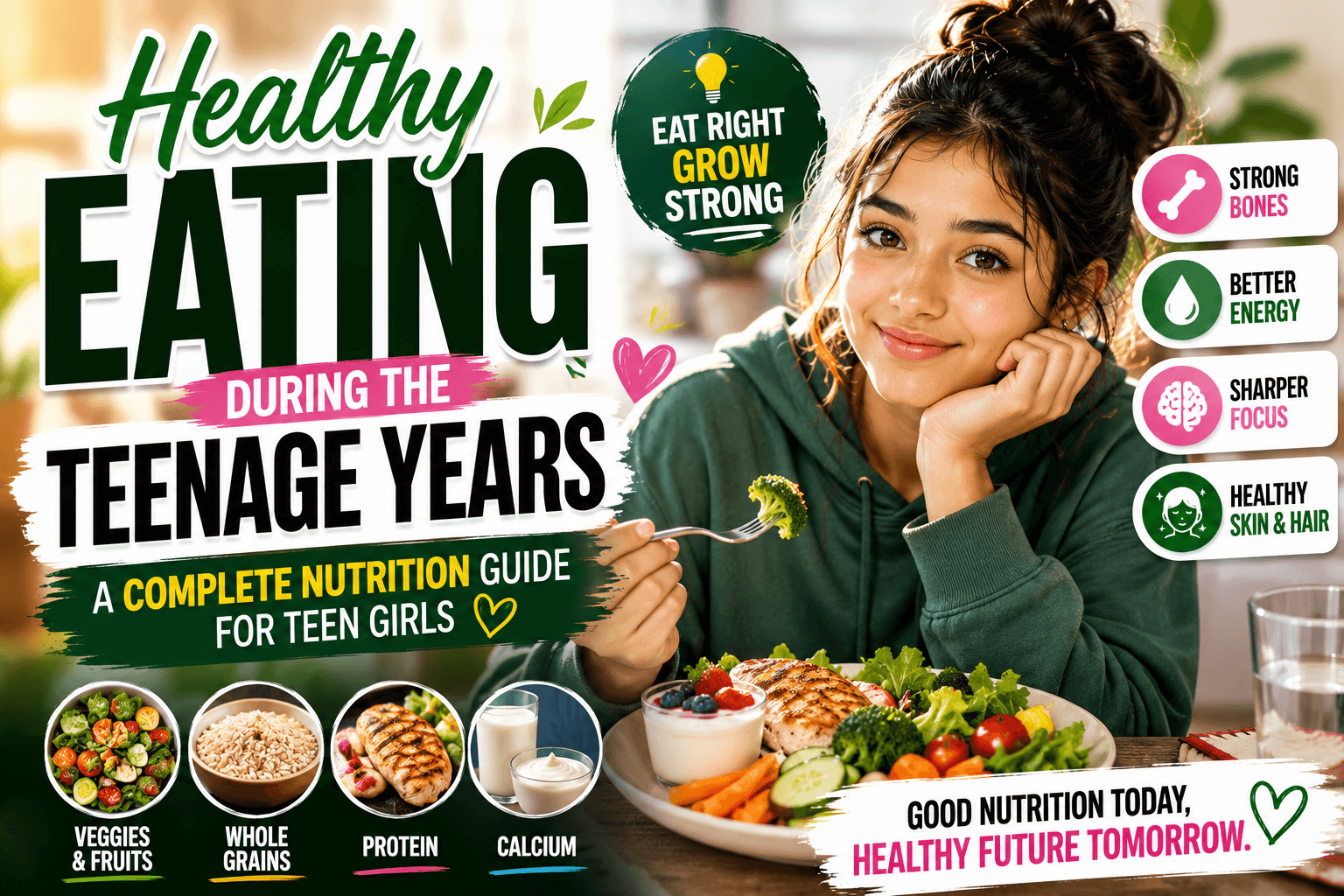
Explore a comprehensive guide on healthy eating for teen girls. Learn how balanced nutrition supports growth and energy, and discover practical tips for lifelong healthy habits.

Maryam Mumtaz
Co-Founder & CEO
12 min read•7/30/2026
Marsa Empower · Teen Health & Nutritional Wellness · For Girls & Women Aged 13 and Above · 16 min read
"Eating well during the teenage years is not about following a strict diet or avoiding the foods you love. It is about giving your body what it needs to grow, think, feel, and function at its best — every single day."
The teenage years are not a time to restrict, skip meals, or follow extreme diets. They are a time to eat — thoughtfully, consistently, and adequately — because an enormous amount of biological work is happening in your body that requires proper fuel.
Between the ages of 13 and 19, your body is:
None of this happens efficiently without the right nutrients, provided consistently, through regular meals.
Yet teenage girls are among the most nutritionally vulnerable population in the world — not because food is unavailable, but because the combination of social pressure, misinformation about dieting and body image, busy schedules, and simply not knowing what the body actually needs creates patterns of eating that are often inadequate for the body's real demands.
This guide is the clear, complete, non-judgmental nutrition information that every teenage girl deserves — explained simply, practically, and with genuine respect for the fact that you are building the biological foundation you will live in for the rest of your life.
Many of the health outcomes that become apparent in a woman's thirties, forties, and fifties are significantly determined by what she ate during her teenage years.
Bone density: The skeleton reaches its peak density in the early twenties. After that, bone mass can only be maintained — not increased. The calcium deposited into your bones during your teenage years directly determines how strong your bones will be for the rest of your life and how much protection you have against osteoporosis decades from now. What you eat between 13 and 22 is more important for your long-term bone health than what you eat at any other point in life.
Brain development: The brain completes significant structural development during adolescence — particularly the prefrontal cortex, which governs decision-making, emotional regulation, and executive function. This development requires adequate omega-3 fatty acids, iron, zinc, B vitamins, and protein. Nutritional deficiencies during this period have measurable effects on cognitive development that can persist into adulthood.
Hormonal foundations: The hormones that govern the menstrual cycle, fertility, skin health, and mood are produced from dietary raw materials. Adequate fat intake is essential for oestrogen and progesterone production. Adequate zinc is essential for ovulation. Adequate iodine is essential for thyroid function. Nutritional patterns established in adolescence directly influence hormonal health across the reproductive years.
Immune function: The immune system is shaped by nutritional environment. Adequate micronutrient intake — vitamins A, C, D, zinc, iron — during the teenage years builds an immune foundation that influences susceptibility to infection and inflammatory conditions throughout life.
Once menstruation begins, teenage girls lose iron — and in some cases, significant amounts of it — every single month. This monthly loss means that teenage girls have significantly higher iron requirements than teenage boys or post-menopausal women. Many girls do not replace this monthly loss adequately through diet, leading to progressive iron depletion that produces fatigue, reduced concentration, and impaired physical performance.
A simple, practical framework for building balanced meals is to think about the proportions on your plate:
Colour is your guide here. The more colours of vegetables and fruit you include, the broader the range of vitamins, minerals, and antioxidants you are providing.
Vegetables to include regularly:
| Vegetable | Key Nutrients | Easiest Way to Include |
|---|---|---|
| Spinach (palak) | Iron · Folate · Vitamin K | Add to daal, curries, eggs |
| Tomatoes | Vitamin C · Lycopene | Salads, curries, eaten raw |
| Carrots | Beta-carotene (Vitamin A) | Raw snacks, curries, soups |
| Bell peppers | Vitamin C (3 times more than orange) | Add to salads and stir-fries |
| Broccoli | Vitamin C · Calcium · Folate | Steam alongside any meal |
| Cucumbers | Hydration · Silica for skin | Easy raw snack |
| Bitter gourd (karela) | Blood sugar regulation | Cook in curry |
| Sweet potato | Beta-carotene · Vitamin C | Bake or boil as a side |
Fruits to include regularly:
| Fruit | Key Nutrients | Best Time to Eat |
|---|---|---|
| Bananas | Potassium · Vitamin B6 · Quick energy | Morning or pre-exercise |
| Oranges | Vitamin C (improves iron absorption) | With or after an iron-rich meal |
| Apples | Fibre · Quercetin antioxidant | Anytime — a great snack |
| Berries | Vitamin C · Antioxidants · Low sugar | Breakfast topping or snack |
| Mangoes | Vitamin A · Vitamin C | Seasonal — excellent nutrient density |
| Amla (Indian gooseberry) | Highest vitamin C content of any fruit | Excellent with iron-rich meals |
| Pomegranate | Iron · Antioxidants · Folate | Great for menstrual health |
| Guava | Very high vitamin C · Fibre | Easy daily snack |
Whole grains provide complex carbohydrates — the body's preferred energy source for sustained, stable energy rather than the spike-and-crash pattern of refined carbohydrates.
Best whole grain choices:
| Grain | Why It Is Better Than Refined | How to Use It |
|---|---|---|
| Brown rice | Retains fibre and B vitamins removed in white rice processing | Replace white rice in all meals |
| Whole wheat chapati / atta | Higher fibre and micronutrient content than maida | Use whole wheat atta consistently |
| Oats | Excellent fibre · Beta-glucan for heart health and blood sugar | Breakfast — porridge or overnight oats |
| Whole wheat bread | Significantly more fibre than white bread | Replace white bread in sandwiches and toast |
| Whole wheat pasta | Higher protein and fibre | Use in pasta dishes |
| Barley | Very high fibre · Excellent for blood sugar | Add to soups and stews |
| Quinoa | Complete protein (contains all essential amino acids) | Use as rice substitute |
Protein is the structural material of the body — every cell, every enzyme, every hormone, and every immune molecule is built from protein. Including protein at every meal supports growth, muscle development, satiety (feeling full), and stable blood sugar.
Best protein sources:
Animal proteins (complete proteins — contain all essential amino acids):
Plant proteins (combine regularly for complete amino acid intake):
Healthy fats are not something to avoid — they are essential for brain function, hormonal production, vitamin absorption (vitamins A, D, E, and K require fat to be absorbed), and the health of skin and hair.
Include small amounts of healthy fat sources daily:
While a balanced diet provides a wide range of essential nutrients, certain nutrients deserve particular attention during the teenage years — because the demand for them is highest, deficiency is most common, and the consequences of deficiency are most significant.
Iron is essential for producing haemoglobin — the protein that carries oxygen in red blood cells to every cell in the body. Without adequate iron, oxygen delivery falls and energy, concentration, and physical performance all decline.
Why teen girls specifically need more iron: Teenage girls require 15 mg of iron per day — significantly more than children (8 mg) or post-menopausal women (8 mg). This elevated requirement reflects the monthly iron loss of menstruation. Girls with heavy periods need even more.
Signs of low iron: Persistent fatigue · Pale skin · Breathlessness · Dizziness · Cold hands and feet · Hair shedding · Difficulty concentrating
Best food sources of iron:
| Food | Iron Content | Absorption Type |
|---|---|---|
| Chicken liver | 11 mg per 85g | High (haem iron) |
| Lean beef | 2.5–3.5 mg per 85g | High (haem iron) |
| Lentils (cooked) | 3.3 mg per 100g | Moderate (non-haem) |
| Tofu | 3.4 mg per 100g | Moderate (non-haem) |
| Spinach (cooked) | 3.6 mg per 100g | Moderate (non-haem) |
| Pumpkin seeds | 2.5 mg per 30g | Moderate (non-haem) |
| Chickpeas (cooked) | 2.9 mg per 100g | Moderate (non-haem) |
| Fortified breakfast cereal | 2–18 mg per serving | Varies |
| Eggs | 1 mg per egg | Low-moderate (non-haem) |
The most important iron tip: Eat iron-rich foods alongside vitamin C — oranges, lemon juice, tomatoes, bell peppers. Vitamin C converts plant-based iron into a form the body absorbs three to four times more readily. This single habit dramatically increases how much iron your body actually uses from plant sources.
Avoid: Drinking tea or coffee with iron-rich meals — tannins in both reduce iron absorption by up to 70%. Wait at least one hour after an iron-rich meal before having tea.
Calcium is the primary mineral in bone tissue — and the teenage years are the most critical period for building bone density. Approximately 90% of peak bone mass is established by age 18. What happens to your calcium intake during these years directly determines how strong your bones will be for the rest of your life.
The teenage daily calcium requirement: Girls aged 14–18 need 1,300 mg of calcium per day — significantly more than adults (1,000 mg per day).
Best sources of calcium:
| Food | Calcium Per Serving |
|---|---|
| Milk (1 glass, 250ml) | 300 mg |
| Yogurt (1 cup) | 250–300 mg |
| Cheese (30g) | 200–250 mg |
| Paneer (100g) | 190 mg |
| Tofu (firm, 100g) | 350 mg (if calcium-set) |
| Sardines (85g, with bones) | 325 mg |
| Spinach (cooked, 100g) | 99 mg |
| Almonds (30g) | 75 mg |
| Sesame seeds / tahini (30g) | 270 mg |
| Fortified plant milk (250ml) | 300 mg |
Important note for vegetarians and vegans: Dairy is the most accessible concentrated source of calcium, but adequate calcium is achievable without dairy through consistent inclusion of tofu (calcium-set), sesame seeds, tahini, leafy greens, and fortified plant milks.
What reduces calcium absorption: Consuming excessive amounts of caffeine and salt reduces calcium retention. Adequate vitamin D is essential for calcium absorption from food.
Vitamin D is essential for calcium absorption from the digestive tract. Without adequate vitamin D, the body cannot effectively absorb the calcium consumed from food — regardless of how calcium-rich the diet is.
Beyond bone health, vitamin D plays roles in immune function, mood regulation, and — increasingly evidenced — hormonal balance. Vitamin D receptors are found throughout the reproductive system, and deficiency has been linked to worsened PCOS symptoms and irregular cycles.
Why deficiency is so common among Pakistani teen girls:
Recommended daily intake: 600 IU per day (15 mcg) — with many experts suggesting higher targets for those with limited sun exposure.
Food sources of vitamin D:
| Food | Vitamin D Content |
|---|---|
| Fatty fish (salmon, sardines, mackerel) | 300–600 IU per 85g |
| Eggs (yolk) | 40 IU per egg |
| Fortified milk | 100 IU per 250ml |
| Fortified breakfast cereal | 40–100 IU per serving |
Sun exposure: 10 to 20 minutes of direct sunlight on the forearms and face without sunscreen, two to three times per week, produces meaningful vitamin D — but this depends on time of day (UVB rays are strongest between 10am and 3pm), season, skin tone, and latitude.
Supplementation: Many girls in Pakistan benefit from vitamin D supplementation. A simple blood test (25-hydroxyvitamin D) identifies deficiency. A healthcare professional can recommend the appropriate supplement dose based on the result.
Every structural and functional molecule in the body is made from protein. Hair, skin, nails, muscle, enzymes, hormones, immune molecules, and the building blocks of brain chemistry are all produced from amino acids obtained from dietary protein.
Daily protein requirement for teen girls: Approximately 46 to 52 grams per day — higher for girls who are very physically active or who are supporting significant growth.
Why protein matters specifically for teen girls:
Practical protein targets by meal:
| Meal | Protein Target | Example |
|---|---|---|
| Breakfast | 15–20g | 2 eggs (12g) + glass of milk (8g) |
| Lunch | 15–20g | 100g chicken (27g) or 100g lentils (9g) + yogurt (8g) |
| Dinner | 15–20g | Fish (20–25g) or chickpeas (9g) + paneer (14g) |
| Snacks | 5–10g | Handful of nuts (6g) or Greek yogurt (10g) |
Fats are not the enemy of health. They are essential nutrients — required for brain development, hormone production, the absorption of fat-soluble vitamins (A, D, E, K), and the health of skin and hair.
The key is the type of fat, not the total amount.
Omega-3 fatty acids are among the most important fats for teenage girls:
Best sources: Fatty fish (salmon, sardines, mackerel) · Walnuts · Chia seeds · Flaxseeds · Hemp seeds
Monounsaturated fats support heart health and anti-inflammatory processes. Best sources: Olive oil · Avocados · Almonds · Cashews
Saturated fats in moderation: Ghee, dairy, and some meat contain saturated fat — not harmful in reasonable amounts as part of a balanced diet, but problematic when they form the majority of dietary fat.
Trans fats (partially hydrogenated oils) — found in many packaged biscuits, commercially fried foods, and processed snacks — are the most harmful dietary fats. They increase inflammation, worsen hormonal balance, and have no health benefit. Minimise them as much as possible.
Dietary fibre is the portion of plant foods that the body cannot digest. It passes through the digestive system largely intact — performing valuable work along the way.
Digestive health: Fibre adds bulk to stools and speeds their passage through the intestine — preventing constipation and supporting a healthy gut microbiome (the community of beneficial bacteria that lives in the digestive system and influences immune function, mood, and metabolic health).
Blood sugar stability: Soluble fibre (found in oats, beans, and fruits) slows the absorption of sugar into the bloodstream — preventing the blood sugar spikes that cause energy crashes, worsen acne, and increase hunger shortly after eating.
Satiety: Fibre-rich foods keep you feeling full for longer after eating — reducing the tendency to snack on less nutritious foods between meals.
Hormone clearance: Adequate fibre intake supports the liver's ability to clear used hormones — including oestrogen — from the body, supporting hormonal balance.
Daily fibre target for teen girls: 25 to 38 grams per day.
Best fibre sources:
| Food | Fibre Per Serving |
|---|---|
| Oats (40g serving) | 4g |
| Lentils (100g cooked) | 8g |
| Chickpeas (100g cooked) | 7g |
| Whole wheat chapati (1 medium) | 3g |
| Apples (1 medium) | 4g |
| Pears (1 medium) | 5g |
| Broccoli (100g) | 2.6g |
| Carrots (100g) | 2.8g |
| Almonds (30g) | 3.5g |
| Chia seeds (2 tablespoons) | 10g |
B vitamins are a group of eight vitamins that collectively support energy metabolism, brain function, and the production of red blood cells. Three deserve particular attention during the teenage years:
Folate (Vitamin B9): Essential for DNA synthesis and healthy cell division. Critically important for girls who may become pregnant at any point — folate deficiency in the very early weeks of pregnancy (often before a pregnancy is known) causes neural tube defects. Building adequate folate intake during the teenage years is an important protective habit.
Best sources: Lentils · Chickpeas · Leafy greens · Asparagus · Eggs · Fortified cereals
Vitamin B12: Essential for neurological function, the production of red blood cells, and energy metabolism. B12 is found almost exclusively in animal products — girls following vegetarian or vegan diets need to pay careful attention to B12 intake through fortified foods or supplementation.
Best sources: Meat · Fish · Eggs · Dairy · Fortified plant milk · Nutritional yeast
Vitamin B6: Involved in over 100 enzymatic reactions in the body, including the synthesis of serotonin and dopamine — the brain chemicals that govern mood, motivation, and emotional stability. B6 deficiency contributes to mood instability and worsened PMS symptoms.
Best sources: Chicken · Fish · Potatoes · Bananas · Fortified cereals
Snacking is a legitimate and useful part of a teenager's eating pattern — but the difference between snacks that support energy, concentration, and health versus snacks that spike blood sugar and leave you feeling worse than before is significant.
| Snack | Key Nutrients | Why It Works |
|---|---|---|
| Apple with peanut butter | Fibre + healthy fat + protein | Sustained energy · Filling · Blood sugar stable |
| Greek yogurt with berries | Protein + calcium + antioxidants | High satiety · Calcium + probiotics |
| Boiled eggs | Protein + B12 + iron | Portable · Complete protein |
| Handful of mixed nuts | Healthy fats + protein + zinc | Sustained energy · Excellent micronutrients |
| Roasted chickpeas | Protein + fibre + iron | Satisfying · Better than chips |
| Carrot or cucumber sticks with hummus | Fibre + vitamin A + plant protein | Low calorie density · High nutrient density |
| Whole grain crackers with cheese | Whole grains + calcium + protein | Convenient · Balanced |
| Banana with a small handful of almonds | Potassium + healthy fats + protein | Pre or post-exercise · Blood sugar stable |
| Pumpkin seeds | Iron + zinc + healthy fats | Excellent mineral density · Easy to carry |
These are not foods to never eat — they are foods to not make the default snack choice. When they replace nutritious snacks consistently, they crowd out the nutrients the body genuinely needs.
Breakfast breaks the overnight fast — a period of eight or more hours during which the body has been without fuel. After this fast, blood sugar is at its lowest point of the day. Skipping breakfast extends this low-fuel state into the morning hours — impairing concentration, increasing fatigue, worsening mood, and creating strong hunger that often leads to less nutritious food choices later in the day.
Girls who eat breakfast regularly:
A good breakfast contains protein (to support satiety and stable blood sugar), complex carbohydrates (for sustained energy), and ideally a fruit or vegetable (for vitamins and fibre).
Practical breakfast ideas:
| Breakfast | Protein | Carbohydrate | Other Nutrients |
|---|---|---|---|
| 2 boiled eggs + whole wheat toast + orange | 12g | Complex carbs + fibre | Vitamin C (boosts iron absorption from eggs) |
| Oatmeal with milk + sliced banana + chia seeds | 10–12g | Complex carbs + fibre | Iron + calcium + omega-3 |
| Whole grain cereal + milk + strawberries | 8–10g | Complex carbs + fibre | Iron (fortified cereal) + vitamin C (berries) |
| Greek yogurt + mixed nuts + honey | 15g | Natural sugars | Calcium + healthy fats + probiotics |
| Smoothie (milk + banana + spinach + peanut butter) | 12g | Natural carbs + fibre | Iron + calcium + folate |
| Anda (egg) paratha with whole wheat atta | 10g | Complex carbs | Iron + B12 |
Water is not just a thirst quencher — it is an essential nutrient involved in virtually every biological process in the body.
Approximately 6 to 8 glasses (1.5 to 2 litres) per day as a baseline. Increase during:
Water, herbal teas (without sugar), and milk all contribute meaningfully to daily fluid intake. Sugary drinks — cola, energy drinks, packaged juices — do provide fluid but also deliver significant amounts of sugar with no nutritional benefit. They are not a substitute for water.
Caffeinated beverages (chai, coffee) have a mild diuretic effect — they increase urine output slightly — but in moderate amounts do not significantly impair hydration.
These foods are not banned, forbidden, or something to feel guilty about eating. They are simply foods that, when consumed frequently and in large amounts, crowd out more nutritious options and contribute to health patterns that work against you over time.
Sodas, energy drinks, fruit juices (even "natural" ones), and sweet chai all deliver significant amounts of sugar rapidly — spiking blood sugar, spiking insulin, and contributing to the hormonal environment that worsens acne and drives energy crashes. They provide no nutritional value — no protein, no vitamins, no minerals, no fibre — and the calories they provide do not register as "eating" in the brain's satiety signals, meaning they are consumed in addition to regular food rather than instead of it.
What to choose instead: Water · Plain milk · Lassi without excessive sugar · Fresh lime water · Herbal teas
Fast food and commercially fried snacks are typically high in:
And low in:
Eating fast food occasionally is not a health crisis. Eating it as a primary food source consistently is — because it displaces the nutritious foods the body actually needs during this critical developmental period.
The vast majority of packaged biscuits, chips, cookies, and instant noodles are formulated primarily from refined flour, vegetable oils (often partially hydrogenated), salt, and sugar — with very little nutritional value and significant empty calories.
This is a practical example of what well-balanced eating looks like in the context of a Pakistani teenage girl's typical food environment.
Why: Protein from eggs + complex carbs from whole wheat + calcium from milk + vitamin C from fruit (improves iron absorption from eggs)
Why: Fibre + natural sugars for sustained energy + healthy fats and protein to prevent hunger before lunch
Why: Complete meal with whole grains + protein + vegetables + calcium from yogurt. The vitamin C in the sabzi (if tomato-based) and the yogurt acids improve iron absorption from the daal.
Why: Protein and fibre to bridge the gap to dinner without reaching for chips or sugary snacks
Why: Protein + complex carbs + fibre + vitamin C from the lemon dressing (boosting iron absorption from the meal)
At least 6 to 8 glasses. One glass with each meal, one first thing in the morning, one with each snack, and one before bed.
As described above — the most common and most impactful nutrition mistake. Skipping breakfast extends the overnight fast, impairs morning cognitive function, and sets up hunger-driven poor food choices later in the day.
Extremely low-calorie diets, elimination diets (cutting out entire food groups without medical reason), or any diet promising dramatic rapid results are particularly dangerous during adolescence. They deprive the growing body of essential nutrients at the most critical developmental period, disrupt hormonal function, impair bone density building, and in some cases, contribute to the development of disordered eating patterns that are very difficult to reverse.
Replacing water with chai with excessive sugar, sodas, and packaged juices consistently raises average sugar intake, contributes to insulin resistance, worsens acne and hormonal symptoms, and provides no nutritional benefit.
Relying on fast food as a primary food source produces consistent deficiencies in the micronutrients — iron, calcium, zinc, B vitamins — that teen girls most need.
Many teenage girls eat far fewer vegetables than recommended. Vegetables provide the vitamins, minerals, fibre, and antioxidants that no supplement can adequately replace.
Skipping meals reduces total nutritional intake, impairs metabolic function, increases hunger leading to worse food choices later, and — critically during adolescence — deprives the body of the nutrients needed for growth, hormonal function, and bone development.
What you eat directly influences how your skin looks, how your hair grows, and how you feel emotionally. These connections are not metaphorical — they are physiological.
Acne: High-glycaemic foods (sugary drinks, white bread, processed snacks) spike insulin, which increases androgen production, which increases sebum production, which worsens acne. Reducing high-glycaemic foods is the most evidence-supported dietary intervention for acne.
Skin glow and clarity: Vitamins C and E, zinc, and omega-3 fatty acids all support healthy skin cell production and reduce the inflammation that causes redness, dullness, and breakouts.
Hydration: Well-hydrated skin looks plumper and more radiant. Adequate water intake is genuinely one of the most effective and most affordable skin health interventions.
Iron deficiency is one of the most common causes of increased hair shedding in teenage girls. Protein deficiency causes hair to become thin and weak. Zinc deficiency impairs follicle function. Adequate nutrition of all three is essential for maintaining healthy hair growth.
The gut produces approximately 90% of the body's serotonin — the neurotransmitter most associated with mood stability and wellbeing. A diet rich in fibre (from vegetables, fruits, legumes, and whole grains) feeds the beneficial gut bacteria that support serotonin production. Conversely, a diet heavy in ultra-processed foods disrupts the gut microbiome and has been consistently associated with higher rates of depression and anxiety.
B vitamins — particularly B6, B12, and folate — are directly required for the synthesis of serotonin, dopamine, and other mood-regulating brain chemicals. Deficiency produces measurable effects on mood and emotional stability.
Different phases of the menstrual cycle create different nutritional needs. Understanding this allows you to eat in ways that support rather than worsen hormonal symptoms.
| Cycle Phase | Nutritional Focus | Why |
|---|---|---|
| Menstruation (Days 1–5) | Iron-rich foods · Vitamin C · Anti-inflammatory foods (omega-3, ginger, turmeric) | Replace iron lost through bleeding · Reduce inflammation driving cramping |
| Follicular (Days 6–13) | Balanced nutrition · Fermented foods · Lean protein | Support rising oestrogen · Build good gut bacteria |
| Ovulation (Around Day 14) | Antioxidant-rich foods · Fibre | Support ovulatory function · Manage rising body temperature |
| Luteal (Days 15–28) | Magnesium-rich foods · Complex carbs · Reduce caffeine and salt | Magnesium reduces cramping and PMS · Complex carbs support serotonin · Less salt reduces bloating |
Magnesium-rich foods for PMS: Dark chocolate (70%+) · Leafy greens · Nuts · Seeds · Lentils · Bananas
Three balanced meals per day, with one to two snacks, provides the most stable nutritional environment for a growing teenage body. Skipping meals disrupts blood sugar, impairs concentration, increases hunger-driven poor food choices, and deprives the body of consistent nutrient delivery.
Eating while scrolling on a phone, watching television, or studying while eating consistently leads to eating more without registering fullness — because the brain's satiety signals take approximately 20 minutes to register. Eating slowly and mindfully allows these signals to work correctly.
The decision to eat — and to eat adequately — should not be contingent on whether you feel satisfied with your body's appearance on any given day. Your body needs nutrients every day regardless of how it looks. Building a relationship with food that is rooted in nourishment rather than appearance is one of the most protective habits a teenage girl can develop.
Eat when genuinely hungry. Stop when comfortably full — not when the plate is empty, and not after eating past the point of comfort. These signals are the body's built-in nutritional guidance system, and learning to listen to them is the foundation of intuitive, healthy eating throughout life.
Seek nutritional guidance from a doctor or registered dietitian if you:
| Nutrient | Daily Need | Best Sources |
|---|---|---|
| Iron | 15 mg | Meat · Lentils · Spinach · Fortified cereal + Vitamin C |
| Calcium | 1,300 mg | Dairy · Tofu · Sesame · Leafy greens |
| Vitamin D | 600 IU+ | Sunlight · Fatty fish · Eggs · Fortified foods |
| Protein | 46–52g | Eggs · Chicken · Fish · Lentils · Dairy · Nuts |
| Omega-3 | Daily | Fatty fish · Walnuts · Chia seeds · Flaxseeds |
| Fibre | 25–38g | Lentils · Vegetables · Fruits · Whole grains |
| Folate | 400 mcg | Lentils · Leafy greens · Eggs · Fortified foods |
| B12 | 2.4 mcg | Meat · Fish · Eggs · Dairy · Fortified plant foods |
| Zinc | 9 mg | Meat · Seeds · Legumes · Nuts |
The five most important nutritional habits for teen girls:
"Every nutritious meal you eat during your teenage years is a deposit into the health account you will draw from for the rest of your life. The investment does not need to be perfect — it needs to be consistent. Small, daily choices compound into lifelong health outcomes."
Educational Disclaimer
This article is for educational and awareness purposes only. It does not constitute medical advice, diagnosis, or treatment. If you have concerns about your nutrition, growth, or health during the teenage years, please consult a qualified healthcare professional or registered dietitian for personalised guidance.
Marsa Empower · Teen Health · Nutritional Wellness · Growing Up Healthy
Medical Disclaimer
This article is for general informational and educational purposes only and is not a substitute for professional medical advice, diagnosis, or treatment. Always seek the advice of a qualified healthcare provider with any questions you may have regarding a medical condition. Never disregard professional medical advice or delay seeking it because of something you have read on MARSA Empower.
Written By
Maryam Mumtaz
Co-Founder & CEO
Co-Founder of MARSA Empower who leads the visual and strategic evolution of the platform. Maryam bridges technical complexity with human-centric design, architecting the team's official roadmap and ensuring MARSA effectively addresses the real-world needs of women. With deep expertise in agentic AI, full-stack development, and UI/UX design, she has delivered 50+ projects for 30+ satisfied clients.
Enjoyed this story?