One App. Every Woman.
One App. Every Woman.
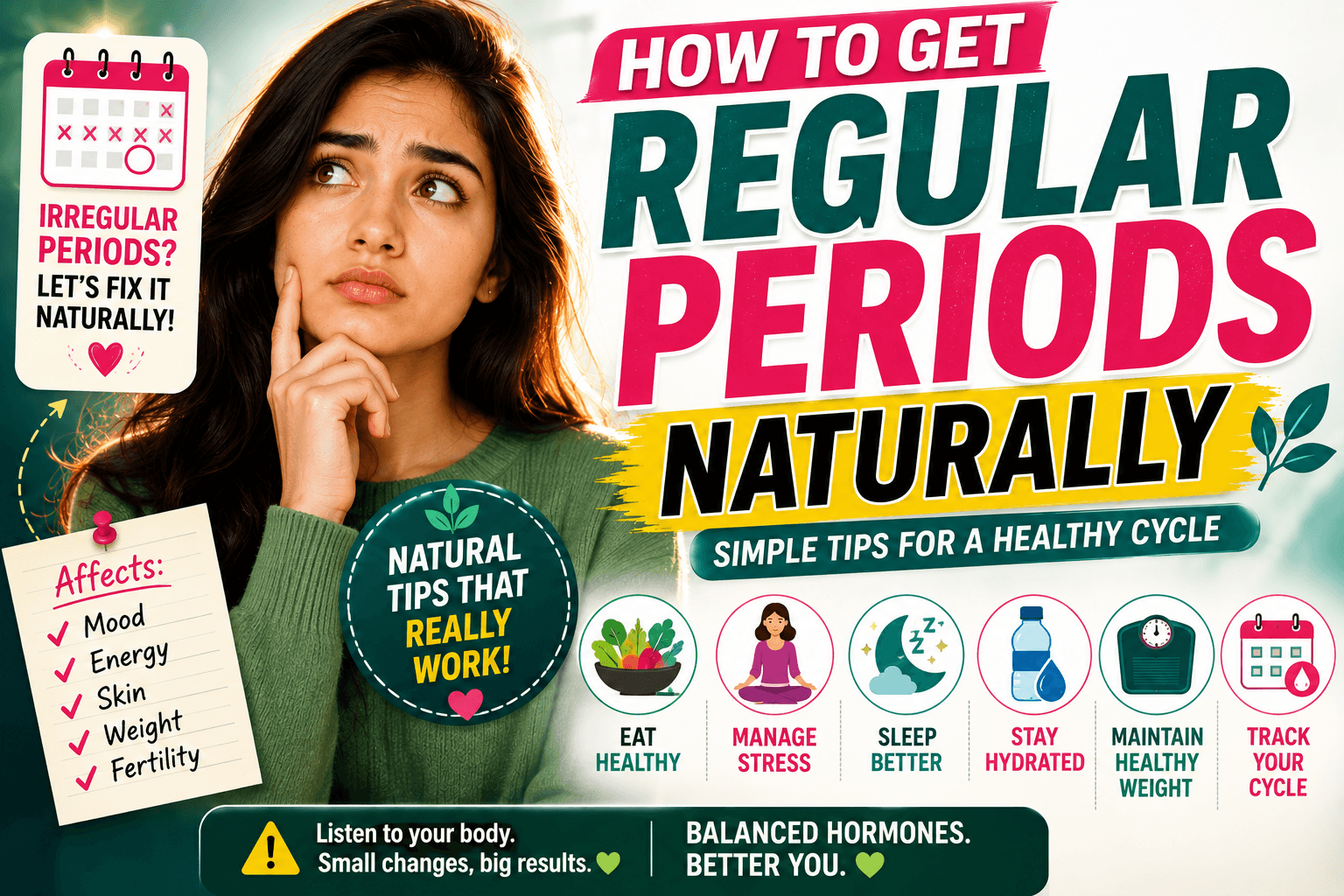
Explore effective natural methods to achieve a regular menstrual cycle. Learn about diet, lifestyle changes, and when to seek medical advice.

Maryam Mumtaz
Co-Founder & CEO
15 min read•8/4/2026
Marsa Empower · Menstrual Health & Hormonal Wellness · For Girls & Women Aged 13 and Above · 15 min read
"A regular period is not just a reproductive milestone. It is a monthly health report — and when it becomes irregular, your body is communicating something worth listening to."
She marks the calendar. She waits. Nothing. She waits longer. Still nothing. Or her period arrives two weeks early. Or it comes so heavily she cannot leave the house. Or it was regular for years and then — without obvious reason — it simply stopped following any predictable pattern.
Irregular periods are one of the most common women's health concerns — and one of the most frequently told to just accept. Girls are told irregular cycles are normal during the first few years. Women are told stress is the culprit and there is nothing to do but wait. Both of these things are sometimes true — and often, importantly, incomplete.
Because irregular periods almost always have a reason. And that reason, once identified, often responds to targeted changes in nutrition, lifestyle, stress management, and — where needed — medical support.
This guide explains what a regular period actually means, why periods become irregular, and what you can do — naturally and consistently — to support your body's return to a healthy, predictable cycle.
Before trying to "fix" an irregular period, it helps to know what regular actually looks like — because the definition is wider than most women realise.
A regular menstrual cycle is one that:
A woman with a consistently 23-day cycle is as normal as a woman with a consistently 32-day cycle. What matters far more than the specific number is the consistency — cycles that arrive predictably, within a few days of their expected date, reflect a hormonal system that is working as it should.
A period is considered irregular when:
In the first one to two years after a girl's first period, cycle irregularity is expected and normal. The hormonal axis governing the menstrual cycle — the communication chain between the hypothalamus, pituitary gland, and ovaries — takes time to mature and establish a consistent rhythm. Some irregularity during this period does not necessarily indicate a problem. However, if cycles remain significantly irregular beyond the first two years, or if irregularity is accompanied by other hormonal symptoms, investigation is appropriate.
The menstrual cycle is orchestrated by a precise hormonal sequence — and that sequence is remarkably sensitive to disruptions in the body's internal environment. Irregular periods are almost always a downstream effect of something happening upstream — in the hormonal system, the metabolic system, the nutritional status, or the nervous system's stress response.
| Cause | How It Disrupts the Cycle |
|---|---|
| Chronic stress | Elevated cortisol suppresses GnRH → disrupts ovulation → irregular or absent periods |
| Significant weight changes | Under or overweight states alter oestrogen production and ovulatory function |
| Poor nutrition | Nutritional deficiencies disrupt hormonal synthesis and signalling |
| PCOS | Insulin resistance drives androgen excess → disrupted ovulation → irregular periods |
| Thyroid dysfunction | Both hypo and hyperthyroidism disrupt the HPO axis governing menstrual cycling |
| Excessive exercise + low calorie intake | Hypothalamic amenorrhoea — the body shuts down reproduction in perceived scarcity |
| Poor sleep | Disrupts cortisol and reproductive hormone rhythms |
| Hormonal contraceptive changes | Starting, stopping, or switching can disrupt cycle regularity for several months |
| Perimenopause | Declining oestrogen produces increasingly irregular cycles in the years before menopause |
| Prolactin excess | Elevated prolactin (from various causes) suppresses ovulation |
Understanding which of these applies to your situation is the key to choosing the most targeted and effective approach.
The menstrual cycle is exquisitely sensitive to nutritional availability. The hypothalamus — the brain structure that initiates the hormonal cascade governing ovulation — monitors the body's energy status continuously. When food intake is consistently insufficient, or when meals are skipped regularly, the hypothalamus detects nutritional scarcity and begins to downregulate non-essential functions — including reproduction.
This is why skipping meals, following very low-calorie diets, or eating inconsistently is one of the most direct dietary routes to irregular or absent periods. The body is not malfunctioning. It is making a sensible survival decision — suspending reproductive capacity when energy is insufficient to support it.
Three balanced meals per day: Breakfast, lunch, and dinner — each containing protein, complex carbohydrates, healthy fats, and vegetables. This consistent energy input signals to the hypothalamus that the body is well-nourished and reproductive function is sustainable.
Do not skip breakfast: Breakfast breaks the overnight fast and sets blood sugar and cortisol patterns for the entire day. Skipping it creates a blood sugar deficit in the morning that elevates cortisol — which directly suppresses the hormonal cascade needed for regular ovulation.
Include protein at every meal: Protein is the structural material of hormones. Oestrogen, progesterone, and the pituitary hormones that govern ovulation are all built from amino acids obtained from dietary protein. Regular, adequate protein intake is foundational to hormonal health. Good sources include eggs, chicken, fish, lentils, daal, chickpeas, dairy, and nuts.
Do not restrict fat: Dietary fat is essential for the production of steroid hormones — including oestrogen and progesterone. Very low-fat diets are associated with disrupted hormonal profiles and menstrual irregularity. Include healthy fats from olive oil, nuts, seeds, avocado, fatty fish, and ghee.
Eat enough overall: This is perhaps the most important point. A calorie deficit — whether intentional through dieting or inadvertent through a busy lifestyle — signals energy scarcity to the hypothalamus and suppresses ovulation. Eating enough to fully support your body's needs is not indulgence. For menstrual health, it is essential.
Body weight influences the menstrual cycle through several interconnected pathways — and both extremes (significantly underweight and significantly overweight) disrupt cycle regularity, though through different mechanisms.
Fat cells (adipocytes) produce oestrogen — and when body fat falls below a critical threshold, oestrogen production falls with it. Without adequate oestrogen, the uterine lining does not develop properly and ovulation does not occur reliably.
Additionally, very low body weight signals nutritional scarcity to the hypothalamus — triggering the reproductive shutdown described above. This is why women with anorexia nervosa almost universally lose their periods (amenorrhoea), and why female athletes with very low body fat frequently experience cycle disruption — a pattern called the female athlete triad (low energy availability, menstrual dysfunction, and low bone density).
Recovery: When body weight is restored to a healthy range through adequate nutrition, periods typically return — though this can take several months after weight restoration begins.
Excess body fat produces excess oestrogen (because fat cells produce oestrogen). This surplus oestrogen disrupts the hormonal feedback loops governing ovulation. Additionally, excess weight — particularly abdominal fat — is strongly associated with insulin resistance, which drives androgen excess (through increased ovarian androgen production stimulated by high insulin) and further disrupts ovulation.
This is one of the core mechanisms of PCOS — the most common hormonal cause of irregular periods — in women who are overweight.
Recovery: Even modest weight loss of 5 to 10% of body weight in women who are overweight with PCOS consistently restores ovulation and menstrual regularity in a meaningful proportion of cases.
The goal is not a specific number on the scale. It is a body weight and body composition that allows the hormonal system to function without either the scarcity signal of underweight or the insulin resistance and oestrogen excess of significant overweight.
This is perhaps the most important natural strategy for irregular periods — and the one most frequently recommended without sufficient explanation of why it works.
When you are chronically stressed, the body maintains elevated levels of cortisol — the primary stress hormone. Cortisol is produced by the adrenal glands in response to any perceived threat — physical, psychological, or social. In small, short-term amounts, cortisol is useful and appropriate. When it is chronically elevated, it directly disrupts the menstrual cycle through a very specific pathway:
Cortisol → suppresses GnRH → reduced FSH and LH → disrupted or absent ovulation → irregular periods
GnRH (gonadotropin-releasing hormone) is the signal from the hypothalamus that begins the entire hormonal cascade leading to ovulation. Cortisol directly suppresses GnRH secretion — the body's way of suspending reproduction when environmental conditions (as interpreted by the stress response) seem unfavourable.
This is why periods consistently become irregular or absent during exam periods, major life stressors, grief, or prolonged professional pressure. It is not psychological. It is hormonal — and the mechanism is well-established.
Regular moderate exercise: One of the most evidence-supported cortisol-reducing interventions available. Even 30 minutes of brisk walking significantly reduces cortisol and improves the hypothalamic-pituitary-ovarian axis function that governs ovulation. Note: very intense exercise (see Tip 04) has the opposite effect.
Consistent, quality sleep: Sleep is when cortisol rhythms reset. Chronic sleep deprivation maintains elevated evening cortisol — one of the most direct hormonal disruptors of cycle regularity.
Breathwork and mindfulness: Slow, deep breathing activates the parasympathetic nervous system — directly counteracting the cortisol-driven sympathetic response. Even 5 to 10 minutes of slow, conscious breathing daily measurably reduces cortisol over time.
Clear boundaries on commitments: Overcommitment — saying yes to everything, carrying too many obligations — is a primary driver of chronic stress in women. Reducing the demands placed on the nervous system reduces cortisol.
Time in nature: 20 to 30 minutes in a green or outdoor environment measurably reduces cortisol — even in urban settings.
Professional support: When stress is severe, sustained, or linked to trauma, anxiety disorder, or depression, professional therapeutic support is not a luxury. It is a clinical intervention with measurable hormonal benefits.
Exercise is among the most powerful natural tools for supporting hormonal health and cycle regularity. It reduces insulin resistance, lowers cortisol, supports a healthy weight, reduces inflammation, and directly supports the HPO axis function governing ovulation.
But — and this is critical — there is a dose-response curve. Moderate, regular exercise supports cycle regularity. Very intense, very frequent exercise combined with insufficient caloric intake suppresses it.
Very intense or very frequent training — particularly when combined with inadequate caloric intake — creates an energy deficit large enough to trigger the same hypothalamic shutdown as fasting or nutritional restriction. The body interprets the combination of high energy expenditure and low energy intake as equivalent to starvation — and suspends reproductive function accordingly.
This is why elite athletes and women who dramatically increase training without increasing food intake often experience cycle disruption or loss of periods. This is called hypothalamic amenorrhoea — and the fix is reducing exercise intensity, increasing caloric intake, or both.
| Exercise Type | Effect on Cycle | Recommendation |
|---|---|---|
| Brisk walking (30 min daily) | Highly beneficial | Include consistently — the most universally supportive exercise |
| Yoga and stretching | Highly beneficial | Reduces cortisol · Supports hormonal balance · Particularly good for cycle regularity |
| Swimming (moderate) | Beneficial | Good low-impact cardiovascular exercise |
| Cycling (moderate) | Beneficial | Good for insulin sensitivity |
| Light to moderate strength training | Beneficial | Improves insulin sensitivity · Supports metabolic health |
| High-intensity interval training (HIIT) daily | May worsen irregularity | Limit to 2–3 times per week · Not appropriate when already exercising at high volume |
| Marathon training or very high-volume training | Can suppress cycles | Ensure caloric intake matches expenditure · Monitor cycle carefully |
The takeaway: Aim for 150 minutes of moderate activity per week — the standard public health recommendation. Distribute across the week. Include some strength or resistance work. Prioritise walking and yoga. If periods have stopped or become irregular alongside a new or intensified exercise programme, this is important clinical information.
The hormones governing the menstrual cycle — FSH, LH, oestrogen, and progesterone — are all secreted in patterns that are closely tied to the body's circadian rhythm and sleep-wake cycle. Consistent, quality sleep supports the timing and amplitude of these hormonal pulses. Chronic sleep disruption — whether through insufficient hours, irregular schedules, or poor sleep quality — distorts these patterns.
Specifically:
Consistent sleep and wake times: Going to bed and waking at the same time every day — including weekends — is more important for hormonal health than total hours alone. Consistent timing supports the circadian hormonal rhythms that govern ovulation.
7 to 9 hours of total sleep: The standard adult recommendation. Teenage girls need 8 to 10 hours.
A genuine wind-down routine: 30 to 60 minutes before bed without screens — the blue light from phones and tablets suppresses melatonin, delaying sleep onset and reducing sleep quality. Replace with reading, gentle stretching, prayer, or other non-screen activities.
Dark, cool, quiet bedroom: These three conditions consistently improve both sleep onset and sleep depth.
Adequate hydration supports several aspects of cycle health:
Aim for 6 to 8 glasses (approximately 1.5 to 2 litres) of water per day. Increase during physical activity, hot weather, and the heaviest days of menstrual flow.
Herbal teas count toward fluid intake and several have specific hormonal benefits:
The gut is not just a digestive organ. It plays a significant role in hormonal regulation — particularly oestrogen metabolism.
A specific collection of gut bacteria called the estrobolome produces an enzyme (beta-glucuronidase) that helps regulate how much oestrogen is recycled back into circulation versus excreted from the body. When the gut microbiome is disrupted — through poor diet, antibiotics, chronic stress, or lack of dietary fibre — estrobolome activity can become dysregulated. This may contribute to oestrogen imbalances that affect cycle regularity.
Eat plenty of dietary fibre: Fibre feeds the beneficial gut bacteria that maintain healthy estrobolome function. Best sources: vegetables · fruits · lentils and legumes · whole grains · flaxseeds · chia seeds.
Include probiotic-rich foods: Foods containing live beneficial bacteria support gut microbiome diversity. Best sources: plain yogurt (with live cultures) · kefir · lassi · fermented foods.
Reduce ultra-processed foods: Highly processed foods disrupt gut microbiome diversity and reduce beneficial bacterial populations.
Avoid unnecessary antibiotic use: Antibiotics are life-saving when needed — but they also significantly disrupt the gut microbiome. When antibiotics are medically necessary, following up with probiotic-rich foods and a fibre-rich diet supports microbiome recovery.
Manage stress: Chronic stress directly disrupts gut microbiome composition through the gut-brain axis.
High-sugar and high-glycaemic foods cause rapid blood sugar spikes followed by insulin surges. Chronically elevated insulin is one of the most direct dietary disruptors of menstrual regularity — through a specific hormonal pathway:
High sugar intake → blood sugar spike → insulin surge → elevated insulin signals ovaries to produce more androgens → androgen excess disrupts ovulation → irregular periods
This is precisely the mechanism that drives irregular periods in PCOS — a condition characterised by insulin resistance and elevated androgens. But even women without PCOS can experience insulin-driven hormonal disruption from consistently high sugar and refined carbohydrate intake.
The goal is not eliminating these foods entirely — it is reducing their frequency and replacing them with alternatives that keep blood sugar stable throughout the day.
Specific nutritional deficiencies directly impair the hormonal mechanisms governing cycle regularity. Ensuring adequate intake of these nutrients — through diet and, where needed, supplementation — is one of the most targeted natural approaches to menstrual regularity.
Magnesium: Magnesium is involved in over 300 enzymatic reactions — including those that produce and regulate reproductive hormones. Magnesium deficiency is associated with worsened PMS, more painful periods, and less regular cycles. It also supports stress response regulation — reducing the cortisol elevation that disrupts ovulation.
Best sources: Dark chocolate (70%+) · Pumpkin seeds · Spinach · Almonds · Black beans · Bananas · Avocado
Supplement option: Magnesium glycinate or citrate — 250 to 400 mg daily
Vitamin D: Vitamin D deficiency is extremely common in Pakistani women and has been directly linked to PCOS, irregular cycles, and worsened menstrual symptoms. Vitamin D receptors are found throughout the reproductive system — including in the ovaries, uterus, and the cells governing the HPO axis.
Best sources: Sunlight exposure (10 to 20 minutes on forearms and face, 2 to 3 times weekly) · Fatty fish · Eggs · Fortified milk
Supplement option: 1,000 to 2,000 IU daily — or higher if blood test confirms significant deficiency. A 25-hydroxyvitamin D blood test identifies your specific status.
Iron: Iron deficiency is among the most common nutritional deficiencies in women of reproductive age and directly affects cycle regularity. Very heavy periods cause significant iron loss — and the resulting anaemia worsens the symptoms accompanying each period. Some research also suggests a relationship between iron status and cycle regularity more broadly.
Best sources: Red meat · Lentils · Spinach · Fortified cereals · Chickpeas — always paired with vitamin C for better absorption
Zinc: Zinc is essential for ovulation — it regulates the maturation of the egg and the release of the LH surge that triggers ovulation. Zinc deficiency is associated with anovulatory cycles (cycles without ovulation) and increased period pain.
Best sources: Meat · Pumpkin seeds · Chickpeas · Cashews · Lentils
B Vitamins — particularly B6 and Inositol: Vitamin B6 is involved in progesterone production and regulation of prolactin levels (elevated prolactin suppresses ovulation). Inositol — a B-vitamin-related compound — has particularly strong evidence for restoring ovulation and cycle regularity in women with PCOS. Studies show inositol (particularly the combination of myo-inositol and D-chiro-inositol) comparable to metformin for improving cycle regularity in PCOS.
Best food sources of B vitamins: Eggs · Chicken · Fish · Banana · Whole grains · Legumes
Omega-3 Fatty Acids: Omega-3s reduce inflammation throughout the body — including the inflammatory processes that disrupt ovulation in PCOS and endometriosis. They also support the production of anti-inflammatory prostaglandins (reducing period pain) and have been shown to reduce androgen levels in women with PCOS — directly supporting cycle regularity.
Best sources: Fatty fish (salmon, sardines, mackerel) · Walnuts · Chia seeds · Flaxseeds
Tracking your menstrual cycle is simultaneously the simplest and most transformative natural practice for supporting menstrual health. It does not change your hormones directly — but it changes your relationship with your cycle in ways that make every other intervention more effective and more informed.
Your personal baseline: After three to four months of consistent tracking, you know your cycle length, your typical variation, your heaviest and lightest days, your predictable symptoms, and the pattern of your discharge throughout the month.
Early changes: When something shifts — your cycle becomes shorter or longer, your symptoms change, your flow becomes heavier or lighter — tracking data makes this visible much earlier than casual observation would. Changes in cycle pattern are often the earliest indicator of a hormonal shift worth investigating.
Patterns and correlations: Tracking alongside records of stress levels, sleep quality, exercise patterns, and dietary changes reveals correlations — which stressful weeks consistently delay your period, which month with better sleep produced a more regular cycle. This information guides which lifestyle changes are most impactful for your specific situation.
Informed medical conversations: Three to four months of tracking data transforms a medical consultation. "My periods have been irregular" becomes "Over the past four months my cycles have been 38, 29, 45, and 31 days long, my flow was heaviest on day 2 of each period, and I had significant spotting mid-cycle in months 2 and 3." That level of detail is enormously more useful to a doctor than a general description.
Use a period tracking app, a paper calendar, or a simple notebook — any consistent record-keeping works.
Caffeine — through chai, coffee, and energy drinks — affects the menstrual cycle through several pathways:
Cortisol elevation: Caffeine stimulates cortisol release. In women already managing chronic stress, high caffeine intake adds to the cortisol load that suppresses GnRH and disrupts ovulation.
Magnesium depletion: Caffeine acts as a diuretic and increases urinary magnesium excretion. Given that magnesium is one of the most important minerals for hormonal regulation and cycle regularity, chronic high caffeine intake worsens magnesium status.
Iron absorption interference: Caffeine reduces iron absorption from food when consumed with or shortly after meals. For women with heavy periods already at risk of iron deficiency, this is a relevant consideration.
Recommendation: Limit caffeinated beverages to 1 to 2 cups daily. Avoid caffeine within 6 hours of bedtime to protect sleep quality.
Alcohol affects the menstrual cycle through disruption of the liver's hormone clearance function. The liver metabolises oestrogen — and alcohol impairs this process, allowing oestrogen to accumulate. This can worsen oestrogen dominance and contribute to heavier periods, worsened PMS, and cycle irregularity.
Alcohol also disrupts sleep quality — preventing the deep sleep necessary for hormonal rhythm restoration.
Seed cycling is a dietary practice that involves consuming specific seeds in each half of the menstrual cycle — with the rationale that different seeds support the hormonal needs of each cycle phase.
| Cycle Phase | Seeds | Proposed Mechanism |
|---|---|---|
| Follicular phase (Days 1–14) | 1 tablespoon each of ground flaxseeds + pumpkin seeds daily | Flaxseeds contain lignans that modulate oestrogen · Pumpkin seeds are high in zinc (supports follicle development and the LH surge for ovulation) |
| Luteal phase (Days 15–28) | 1 tablespoon each of sesame seeds + sunflower seeds daily | Sesame contains lignans that support progesterone · Sunflower seeds are rich in selenium (supports progesterone production and thyroid function) |
Seed cycling is a gentle, food-first approach with a biologically plausible rationale — seeds provide real nutritional benefits that are relevant to cycle health. However, rigorous clinical trial evidence specifically for seed cycling as a cycle-regulating intervention is limited.
What seed cycling does do reliably:
It is best understood as a nutritional support tool — not a standalone treatment for significant irregularity — but a reasonable, low-risk addition to a broader natural approach.
Several herbs and natural compounds have traditional use for menstrual regularity and varying degrees of clinical evidence. Here is an honest assessment:
Evidence level: Moderate to Good
Vitex is one of the most studied herbal remedies for menstrual irregularity. It acts on the pituitary gland to regulate prolactin levels (elevated prolactin suppresses ovulation and causes irregular periods) and supports the ratio of progesterone to oestrogen in the luteal phase.
Multiple clinical studies show vitex to be effective for:
It is not a quick fix — effects typically become apparent after two to three months of consistent daily use.
Dose: 400 mg of dried extract daily — or as directed on the specific product. Always consult a doctor or pharmacist before starting vitex, particularly if you are on hormonal contraceptives or other medications.
Evidence level: Strong
Myo-inositol is a naturally occurring compound that improves insulin sensitivity — the core metabolic mechanism driving irregular periods in PCOS. Multiple randomised controlled trials show myo-inositol (particularly combined with D-chiro-inositol in a 40:1 ratio) to be effective for:
Standard dose: 2,000 to 4,000 mg myo-inositol daily — consult a healthcare professional for guidance on the appropriate formulation.
Evidence level: Moderate (particularly for PCOS)
Cinnamon has insulin-sensitising properties and several small studies have shown that daily cinnamon supplementation reduces insulin resistance and improves cycle regularity in women with PCOS. It is easily incorporated into the diet and has no significant side effects at normal culinary doses.
How to include: Add half a teaspoon of cinnamon to morning oats, smoothies, or tea daily.
Evidence level: Moderate (for period pain and regularity)
Ginger has documented anti-prostaglandin and anti-inflammatory effects that reduce period pain, and some evidence suggesting mild cycle-regularising effects through its anti-inflammatory action. It is also beneficial for the nausea that sometimes accompanies irregular or heavy periods.
How to include: Fresh ginger tea — boil 1 teaspoon of freshly grated ginger in 2 cups of water for 10 minutes. Drink 1 to 2 cups daily.
Evidence level: Traditional, limited clinical research
Red raspberry leaf tea is a traditional uterine tonic — used for centuries to support uterine health and menstrual regularity. Clinical research is limited, but the tea is widely consumed, safe, and may support uterine tone. Best consumed in the luteal phase (second half of the cycle).
For many women, irregular periods are a symptom of an underlying hormonal condition that requires more than lifestyle changes alone. The most important conditions to be aware of:
The most common hormonal cause of irregular periods — affecting approximately 1 in 10 women. PCOS involves elevated androgens, insulin resistance, and disrupted ovulation. Cycles may arrive very infrequently, be absent for months, or be completely unpredictable. Natural interventions — diet, exercise, stress management, inositol — are highly effective as first-line management but may need to be combined with medical treatment for full cycle restoration.
Both hypothyroidism (underactive) and hyperthyroidism (overactive) cause menstrual disruption. Thyroid conditions respond to medical treatment — natural approaches alone cannot treat a dysfunctional thyroid. A TSH blood test confirms or excludes thyroid dysfunction.
Elevated prolactin — from various causes including stress, certain medications, thyroid dysfunction, or a benign pituitary tumour (prolactinoma) — suppresses ovulation and causes irregular or absent periods. Requires medical investigation and treatment.
In women under 40, the ovaries stopping regular ovulation is called premature ovarian insufficiency (previously called premature menopause). It is relatively uncommon but produces irregular or absent periods alongside low oestrogen symptoms. Requires specialist evaluation.
Because PCOS is the most common cause of irregular periods in women of reproductive age, it deserves specific guidance.
Priority 01 — Reduce insulin resistance: This is the single most impactful intervention. A low-glycaemic diet (reducing refined carbohydrates and sugar) directly lowers insulin levels, which reduces androgen production from the ovaries, which allows ovulation to resume.
Priority 02 — Regular moderate exercise: Exercise is one of the most potent insulin-sensitising interventions available. Even 150 minutes of moderate walking per week produces measurable improvements in insulin sensitivity in women with PCOS.
Priority 03 — Myo-inositol supplementation: Strong clinical evidence supports myo-inositol for restoring ovulation and cycle regularity in PCOS. Consider 2,000 to 4,000 mg daily — discuss with a healthcare professional.
Priority 04 — Achieve a healthy weight: If body weight is above the healthy range, modest weight loss of 5 to 10% of total body weight consistently restores ovulation in a significant proportion of women with PCOS.
Priority 05 — Manage stress and prioritise sleep: Both elevate cortisol and worsen insulin resistance — two of the core mechanisms driving cycle irregularity in PCOS.
Priority 06 — Omega-3 supplementation: Reduces inflammation and androgen levels in PCOS — supporting the hormonal environment needed for regular ovulation.
This is one of the most important questions to answer honestly — because unrealistic expectations lead to abandoning interventions before they have had time to work.
The menstrual cycle responds to changes in the body's hormonal environment — and hormonal change is gradual, not immediate. The body typically needs two to four full menstrual cycles (approximately two to four months) of consistent change before cycle regularity meaningfully improves.
This is because:
| Change | Approximate Timeline for Impact on Cycle |
|---|---|
| Dietary improvements (reducing sugar, increasing nutrients) | 2 to 4 months of consistent change |
| Stress reduction | 1 to 3 months — depending on the nature and severity of the stressor |
| Sleep improvement | 1 to 2 months of consistent sleep quality improvement |
| Exercise modification (reducing excess or increasing moderate activity) | 2 to 3 months |
| Weight restoration (after significant under or overweight) | Several months to over a year depending on the extent of the change |
| Myo-inositol for PCOS | 3 to 6 months for ovulation restoration |
| Vitex (chasteberry) | 2 to 3 months minimum |
| Nutritional supplementation (magnesium, vitamin D, zinc) | 2 to 3 months for full effect |
The key message: Natural approaches require patience and consistency. Starting interventions and abandoning them after three to four weeks — because the next period has not arrived perfectly on schedule — prevents any intervention from having the time needed to influence the hormonal environment.
Natural lifestyle interventions are genuinely effective for many causes of irregular periods — particularly those driven by stress, poor nutrition, insufficient sleep, and mild insulin resistance. However, they are not sufficient as the only intervention in all situations.
Medical support is needed alongside or instead of natural approaches when:
An underlying condition requires medical treatment: PCOS, thyroid dysfunction, hyperprolactinaemia, premature ovarian insufficiency, and uterine structural causes (fibroids, polyps) all have specific medical management that natural approaches cannot replace.
Periods have been absent for three or more months: This warrants medical investigation regardless of suspected cause — to confirm what is driving the absence and to address any consequences (including effects on bone health from prolonged low oestrogen).
Natural approaches have been consistently applied for three to four months without improvement: This suggests either an underlying condition not adequately addressed by lifestyle alone, or that the chosen interventions are not matching the actual cause.
Symptoms suggest a specific medical condition: Heavy bleeding, severe pain, other hormonal symptoms (acne, excess hair growth, scalp hair thinning) alongside irregularity point toward conditions requiring proper medical diagnosis.
Medical options for restoring cycle regularity include:
Can stress really stop my period?
Yes — completely. Chronic stress elevates cortisol, which suppresses GnRH (the hormone that begins the ovulation cascade), preventing ovulation and therefore preventing a period. A missed or significantly delayed period during or after a very stressful period is the cortisol-GnRH pathway in direct action. Once the stress resolves and cortisol normalises, ovulation typically resumes — though this may take one to three cycles.
How long does it take to get regular periods naturally?
For most women applying consistent lifestyle changes — diet, stress management, sleep, exercise — two to four months (two to four cycles) is a realistic timeline for meaningful improvement. The body needs time to respond to changed hormonal conditions. Patience and consistency are the most important factors.
Can diet really affect my period?
Yes — directly and significantly. Very low-calorie diets suppress ovulation by triggering hypothalamic amenorrhoea. High-sugar, high-glycaemic diets drive insulin resistance and androgen excess — the core mechanism of PCOS-related irregular periods. Nutrient deficiencies (magnesium, vitamin D, zinc, iron) impair the hormonal synthesis and signalling that governs cycle regularity. Dietary changes are among the most evidence-supported natural interventions for period regularity.
Is it normal to skip a period occasionally?
Occasional cycle variation — a period arriving a week early or a week late — is normal and common. A single missed period in a woman who has never missed one before is worth monitoring — if the next cycle returns on time and pregnancy has been excluded, it likely reflects a temporary stress or nutritional disruption. Consistently missed periods (three or more in a row) warrant medical evaluation.
Can exercise cause irregular periods?
Yes — in specific circumstances. Very intense exercise combined with insufficient caloric intake triggers hypothalamic amenorrhoea. Moderate, regular exercise (150 minutes per week) does the opposite — it supports cycle regularity through improved insulin sensitivity and cortisol reduction. The dose and the nutritional context both matter.
Will losing weight help regulate my periods?
If irregular periods are associated with being significantly overweight — particularly with PCOS or insulin resistance — modest weight loss of 5 to 10% of body weight consistently restores ovulation and cycle regularity in a meaningful proportion of women. If periods became irregular after weight loss (underweight state), restoring body weight and adequate nutrition typically restores them.
What is the fastest natural way to get a regular period?
There is no single fastest intervention — because the most effective approach depends on the cause. However, the combination of stress reduction, improved sleep, a balanced anti-inflammatory diet, and moderate exercise consistently produces the broadest hormonal benefit across most causes of cycle irregularity. For PCOS specifically, reducing sugar intake and adding myo-inositol are among the most evidence-supported approaches.
| Natural Strategy | Why It Works | How to Implement |
|---|---|---|
| Eat regular balanced meals | Signals nutritional abundance to hypothalamus · Provides hormonal raw materials | Three meals daily · Do not skip breakfast · Include protein and healthy fats |
| Maintain healthy body weight | Both underweight and overweight disrupt ovulation | Aim for a weight that supports hormonal function — not a number |
| Manage stress actively | Cortisol directly suppresses ovulation | Walking · Breathwork · Sleep · Boundaries · Professional support if needed |
| Exercise moderately | Reduces insulin resistance and cortisol · Supports HPO axis | 150 min moderate activity per week · Prioritise walking and yoga |
| Prioritise quality sleep | Regulates cortisol and reproductive hormone rhythms | Consistent schedule · 7–9 hours · Wind-down routine |
| Stay hydrated | Supports hormone transport and liver clearance | 6–8 glasses water daily · Include herbal teas |
| Support gut health | Gut bacteria regulate oestrogen metabolism | Eat fibre · Include yogurt · Reduce processed foods |
| Reduce sugar and processed foods | Reduces insulin resistance and androgen excess | Replace refined carbs with whole grains and legumes |
| Include key nutrients | Magnesium · Vitamin D · Zinc · Iron · Omega-3 · Inositol directly support hormonal health | Eat varied nutrient-rich diet · Supplement deficiencies under guidance |
| Track your cycle | Reveals patterns · Guides interventions · Provides medical data | Period app or calendar · Record flow, symptoms, sleep, stress |
| Limit caffeine and alcohol | Both disrupt cortisol, sleep, and liver hormone clearance | Max 1–2 caffeinated drinks per day |
| Try seed cycling | Provides zinc, selenium, omega-3, and lignans across cycle phases | 1 tbsp flax + pumpkin (days 1–14) · 1 tbsp sesame + sunflower (days 15–28) |
| Consider vitex or inositol | Evidence-supported herbal and nutritional interventions | 2–3 months consistent use · Discuss with healthcare provider |
"Regular periods are not just a reproductive concern — they are a monthly health signal. When they become irregular, your body is communicating something worth understanding. Listen carefully, make consistent changes, and give your body the time it needs to respond."
Educational Disclaimer
This article is for educational and awareness purposes only. It does not constitute medical advice, diagnosis, or treatment. If you have persistent irregular periods or are concerned about your menstrual health, please consult a qualified gynaecologist or healthcare professional for personalised evaluation and guidance.
Marsa Empower · Menstrual Health · Hormonal Wellness · Natural Health Education
Medical Disclaimer
This article is for general informational and educational purposes only and is not a substitute for professional medical advice, diagnosis, or treatment. Always seek the advice of a qualified healthcare provider with any questions you may have regarding a medical condition. Never disregard professional medical advice or delay seeking it because of something you have read on MARSA Empower.
Written By
Maryam Mumtaz
Co-Founder & CEO
Co-Founder of MARSA Empower who leads the visual and strategic evolution of the platform. Maryam bridges technical complexity with human-centric design, architecting the team's official roadmap and ensuring MARSA effectively addresses the real-world needs of women. With deep expertise in agentic AI, full-stack development, and UI/UX design, she has delivered 50+ projects for 30+ satisfied clients.
Enjoyed this story?