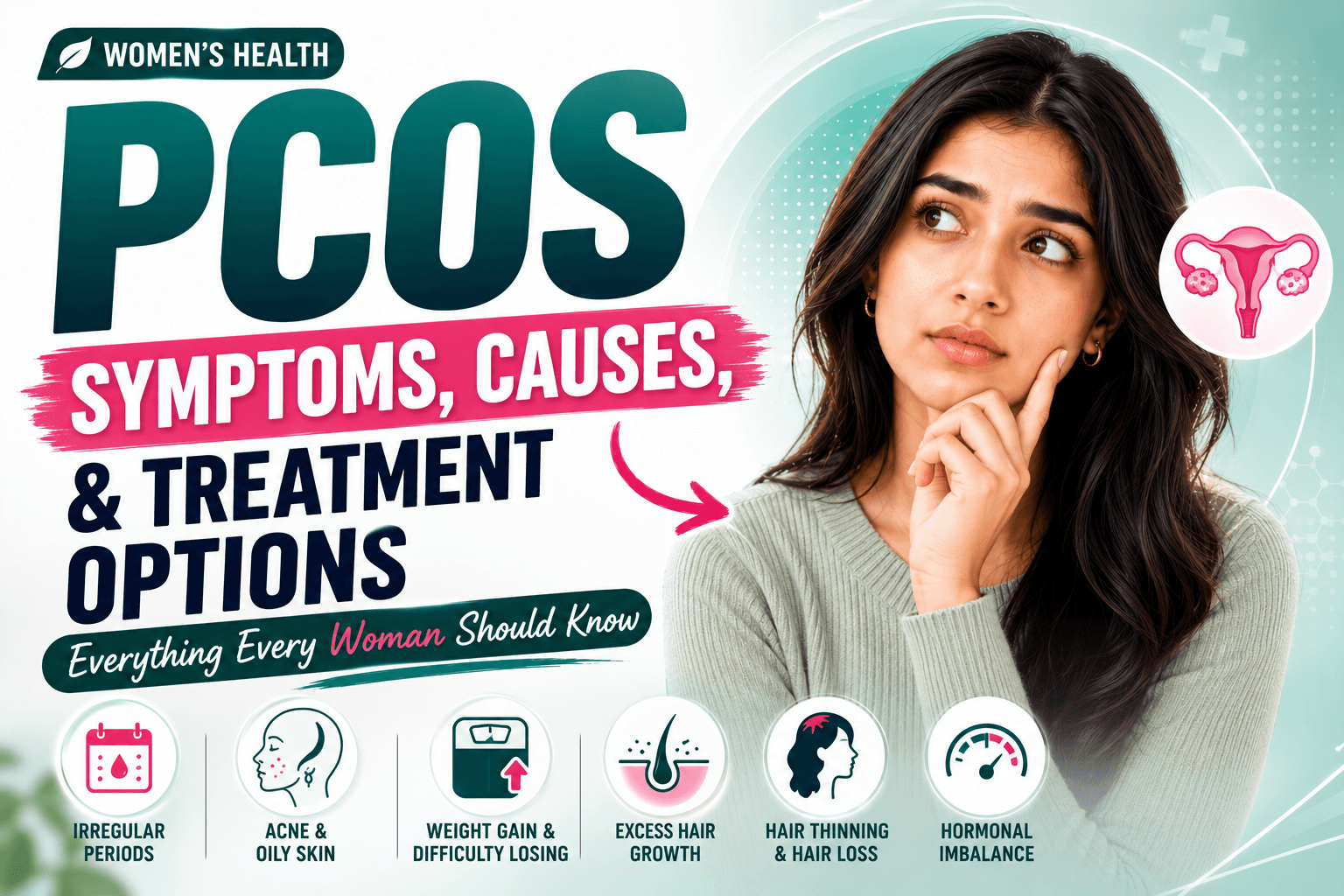
Discover how to manage PCOS with insights into its symptoms, causes, and treatment options. Learn from experts and find actionable tips.

Maryam Mumtaz
Co-Founder & CEO
12 min read•7/16/2026
Marsa Empower · Women's Hormonal Health · For Girls & Women Aged 13–50 · 12 min read
"PCOS is not a life sentence. It is a condition — one that can be understood, managed, and lived with fully and well."
PCOS stands for Polycystic Ovary Syndrome. It is one of the most common hormonal conditions affecting girls and women around the world. In Pakistan and across South Asia, it is thought to affect a significant number of women — many of whom do not even know they have it.
Let us start with what the name actually means — because it can sound more frightening than it is.
"Poly" means many. "Cystic" refers to small fluid-filled sacs. "Ovary" is the organ that produces eggs. So the name suggests many cysts on the ovaries — but this is actually a little misleading.
The small sacs are not dangerous cysts in the way most people imagine. They are actually tiny, undeveloped egg follicles — small sacs that started to grow but did not fully develop because ovulation (the release of an egg) did not happen that month. They are a result of the condition, not the cause of it.
At its core, PCOS is a hormonal and metabolic condition — meaning it affects the balance of hormones in the body and the way the body uses energy. This is why it produces such a wide range of symptoms — from irregular periods to acne to weight changes to mood shifts — because hormones affect almost every system in the body.
Doctors typically look for at least two of the following three features to diagnose PCOS:
| Feature | What It Means |
|---|---|
| Irregular or absent ovulation | Eggs are not released regularly, causing unpredictable or absent periods |
| Elevated androgens | Higher than normal levels of male hormones like testosterone, causing acne, hair changes, and cycle disruption |
| Polycystic ovaries on ultrasound | Multiple small undeveloped follicles visible on a scan |
You do not need all three to receive a diagnosis. Every woman's PCOS looks a little different.
PCOS is far more common than most people realise. Globally, it is estimated to affect 1 in 10 women of reproductive age — making it one of the most widespread hormonal conditions in the world.
In Pakistan and South Asia, rates are thought to be even higher — possibly affecting 1 in 5 women — due to genetic predisposition, dietary patterns, and lifestyle factors that increase the risk.
Despite how common it is, PCOS remains significantly under-diagnosed. Many women live with symptoms for years — irregular periods, persistent acne, difficulty managing weight — without ever receiving an explanation. This is not because the condition is difficult to diagnose. It is because symptoms are too often normalised rather than investigated.
PCOS affects different women in different ways. Some women experience only one or two symptoms mildly. Others experience several simultaneously and more severely. There is no single "PCOS look" — the condition presents differently in every person.
Here are the most common symptoms:
This is the most widely recognised symptom of PCOS. Because PCOS disrupts ovulation — the process by which the ovary releases an egg — the hormonal signals that trigger a period do not follow their normal monthly pattern.
Periods may come every 5 to 6 weeks instead of every 3 to 4. They may come only a few times a year. Some women with PCOS stop having periods altogether for stretches of time.
It is normal for periods to be somewhat irregular in the first year or two after they begin. But if cycles remain consistently unpredictable beyond the first two years — or if a woman who previously had regular periods suddenly develops irregular ones — this warrants investigation.
Acne in PCOS is not caused by poor hygiene or the wrong skincare routine. It is caused by elevated androgens — particularly testosterone — which stimulate the skin's oil glands to produce more sebum than normal. This excess oil clogs pores and creates the conditions for persistent, often cystic breakouts.
PCOS-related acne most commonly appears along the jawline, chin, and lower cheeks — the area of the face with the highest concentration of androgen-sensitive oil glands. It tends to be deeper and more difficult to treat than ordinary teenage acne, and it does not reliably improve with standard skincare products alone.
Many women with PCOS find it genuinely harder to manage their weight than women without the condition — even when following the same diet and exercise habits. This is not a matter of willpower or effort. It is a metabolic reality.
Most women with PCOS have some degree of insulin resistance — a state in which the body's cells do not respond efficiently to insulin. The body compensates by producing more insulin, and high insulin levels promote fat storage — particularly around the abdomen. This creates a cycle in which weight gain worsens insulin resistance, which worsens androgen excess, which worsens PCOS symptoms.
Understanding this cycle removes the self-blame — and points clearly toward the most effective interventions.
Elevated androgens in PCOS stimulate the growth of coarser, darker hair in areas that are typically associated with male hair patterns. This is called hirsutism, and it affects a significant proportion of women with PCOS.
Common areas include the chin, upper lip, jaw, chest, stomach, and inner thighs. The contrast with simultaneously thinning scalp hair is one of the most emotionally distressing aspects of PCOS for many women — and one of the least discussed.
While excess hair grows in androgen-sensitive areas of the face and body, PCOS simultaneously causes thinning of scalp hair — particularly at the crown and along the parting line. This happens because the follicles at the top of the scalp are genetically sensitive to DHT (dihydrotestosterone — a potent form of testosterone), which causes them to produce progressively finer, shorter hair with each growth cycle.
The pattern is typically a gradual widening of the parting line and reduced density at the crown, rather than the patchy or sudden hair loss seen in other conditions.
Dark, velvety patches of skin — most commonly around the neck, underarms, groin, or beneath the breasts — are a sign of insulin resistance and are called acanthosis nigricans. They are not harmful in themselves, but they are a visible indicator of the metabolic disruption at the core of PCOS.
Because PCOS disrupts regular ovulation, it is one of the most common causes of difficulty conceiving. Without regular ovulation, there is no egg available to be fertilised each month — reducing the monthly opportunity for pregnancy.
This does not mean PCOS makes pregnancy impossible. Many women with PCOS conceive naturally. Many others conceive with relatively simple medical assistance. PCOS-related fertility challenges are among the most treatable causes of difficulty conceiving — but early diagnosis and management significantly improve outcomes.
Many women with PCOS describe persistent, heavy fatigue that is not explained by their sleep schedule or activity level. This fatigue is driven by insulin resistance — cells that cannot efficiently use glucose for energy leave the body feeling chronically depleted — and by the hormonal disruptions that affect sleep quality and mood regulation.
Women with PCOS have significantly higher rates of anxiety and depression than women without the condition. This connection is both hormonal — oestrogen, progesterone, and insulin all influence brain chemistry — and psychological, resulting from the burden of managing chronic, often unexplained symptoms that affect appearance, energy, and reproductive health.
The exact cause of PCOS is not yet fully understood — it is likely a combination of genetic, hormonal, and lifestyle factors rather than a single cause. Here is what the current evidence shows:
Insulin resistance is present in the majority of women with PCOS — including lean women, not only those who are overweight. When cells resist insulin's signal, the pancreas produces more insulin to compensate. High insulin levels directly signal the ovaries to produce more androgens (male hormones) — and elevated androgens disrupt ovulation, cause acne and hair changes, and drive many of the most visible PCOS symptoms.
This is the most important mechanism to understand, because it explains why dietary changes and exercise — which improve insulin sensitivity — are among the most powerful tools for managing PCOS.
In PCOS, the hormonal signals between the brain, pituitary gland, and ovaries are disrupted. The pituitary gland produces more LH (luteinising hormone) relative to FSH (follicle-stimulating hormone) than normal. This imbalance affects follicle development and prevents regular ovulation — which is why so many PCOS symptoms cluster around the menstrual cycle.
PCOS has a strong genetic component. If your mother, sister, or aunt has PCOS — or if female relatives in your family have had irregular periods, insulin resistance, or type 2 diabetes — your own risk of developing PCOS is meaningfully higher.
This genetic predisposition does not mean PCOS is inevitable, but it does mean that paying attention to symptoms early and seeking investigation when they appear is especially important.
Dietary patterns high in refined carbohydrates and sugar, sedentary lifestyles, chronic stress, and poor sleep all worsen insulin resistance — and in women with a genetic predisposition to PCOS, these factors can accelerate the development and severity of the condition.
This is not a reason for guilt. It is a reason for practical, evidence-based action — because many of these factors are modifiable.
PCOS is diagnosed based on a combination of your symptoms, physical examination, blood tests, and ultrasound. There is no single definitive test — diagnosis requires building a picture from multiple sources of information.
Your doctor will ask about:
Come to this appointment prepared. The more clearly you can describe your symptoms and their pattern, the more useful the conversation will be.
Your doctor may check your blood pressure, assess your skin for acne and dark patches (acanthosis nigricans), note any excess facial or body hair, and examine your abdomen.
| Test | What It Checks |
|---|---|
| Testosterone and DHEAS | Androgen levels — elevated in many PCOS cases |
| LH and FSH | Reproductive hormone balance |
| Fasting glucose and fasting insulin | Insulin resistance |
| TSH and free thyroid hormones | Rules out thyroid dysfunction — which mimics some PCOS symptoms |
| Prolactin | Rules out other hormonal conditions |
| Serum ferritin and full blood count | Rules out iron deficiency — common in women with heavy or irregular periods |
| 25-Hydroxyvitamin D | Commonly deficient in PCOS |
An ultrasound of the pelvis assesses the size and appearance of the ovaries and checks for the characteristic multiple small follicles associated with PCOS. It also examines the uterus and its lining.
It is important to note that not every woman with PCOS has polycystic-appearing ovaries on ultrasound — and some women without PCOS do. The ultrasound is one piece of evidence, not a standalone diagnosis.
There is currently no single cure for PCOS — but it is very manageable. The goal of treatment is to relieve symptoms, reduce the long-term health risks associated with the condition, and support quality of life. Most women with PCOS use a combination of lifestyle changes and, where needed, medical treatment.
Because insulin resistance is central to PCOS, dietary changes that improve insulin sensitivity are among the most effective interventions available — sometimes producing more significant improvements in symptoms than medication alone.
A low-glycaemic diet — one that prioritises foods that release energy slowly and avoid rapid blood sugar spikes — is the most evidence-supported dietary approach for PCOS.
| Foods to Include More | Foods to Limit |
|---|---|
| Vegetables — especially leafy greens | White bread and white rice |
| Lentils and legumes (daal, chickpeas) | Sugary drinks and packaged juices |
| Whole grains — brown rice, oats, wholewheat bread | Sweets, biscuits, mithai |
| Eggs, lean meat, fish | Fried and ultra-processed snacks |
| Nuts and seeds | Excess caffeine |
| Berries, apples, pears | Very sugary fruits in large quantities |
| Olive oil, avocado, coconut | Refined cooking oils in large amounts |
You do not need to follow a perfect diet. Small, consistent changes — reducing sugary drinks, adding more vegetables and protein to meals, choosing whole grains over refined ones — produce meaningful improvements in insulin sensitivity over time.
Exercise improves insulin sensitivity directly and measurably — making it one of the most important PCOS management tools available. The type of exercise matters less than the consistency.
30 minutes of moderate exercise most days is the standard recommendation. This can be:
Even regular walking, if done consistently, produces clinically meaningful improvements in PCOS symptoms over 8 to 12 weeks.
Sleep is when the body regulates cortisol, restores insulin sensitivity, and balances reproductive hormones. Chronic sleep deprivation worsens insulin resistance and increases androgen levels — directly worsening PCOS.
Aim for 7 to 9 hours of consistent sleep each night. A regular sleep and wake time — even at weekends — supports the circadian hormone rhythms that underpin metabolic and reproductive health.
Chronic stress elevates cortisol, which worsens insulin resistance, increases androgen production, and disrupts ovulation. For women with PCOS, stress is not just an emotional burden — it is a physiological one with direct effects on the hormonal condition they are managing.
Practical, realistic stress management strategies:
When lifestyle changes alone are not sufficient to manage symptoms, doctors have several effective medical options:
| Treatment | Used For |
|---|---|
| Combined oral contraceptive pill | Regulating periods · Reducing androgen levels · Improving acne and hirsutism |
| Progestogen-only treatment | Inducing regular periods when combined pill is not appropriate |
| Metformin | Improving insulin sensitivity · Supporting weight management · Reducing androgen levels |
| Anti-androgen medications (e.g. spironolactone) | Reducing acne · Reducing facial hair growth · Reducing scalp hair loss |
| Topical acne treatments | Managing skin symptoms directly |
| Ovulation induction | Supporting conception when fertility is the primary concern |
All medical treatment decisions should be made with a qualified gynaecologist or endocrinologist based on your specific symptoms, priorities, and health history.
The mental health impact of PCOS is real, significant, and too often left unaddressed. Research consistently shows that women with PCOS experience:
These mental health effects are not simply a response to the visible symptoms. They are partly neurobiological — the same hormonal imbalances that drive PCOS physically also affect the brain chemistry that regulates mood, anxiety, and emotional resilience.
This means that managing PCOS physically — improving insulin sensitivity, reducing androgen excess, restoring cycle regularity — also tends to improve mental health. But it also means that the mental health impact of PCOS deserves direct attention, not just the hope that it will improve once symptoms do.
If you are struggling emotionally alongside your physical PCOS symptoms, please speak to your doctor about it. Mental health support is part of comprehensive PCOS management — not a separate concern.
One of the most anxiety-producing aspects of a PCOS diagnosis — particularly for younger women — is the question of fertility. It is important to address this clearly and honestly.
PCOS is the most common hormonal cause of difficulty conceiving — but it is also one of the most treatable. Because PCOS disrupts ovulation, it reduces the number of months in which pregnancy is possible. But disrupted ovulation is not absent ovulation in most cases, and many women with PCOS conceive naturally.
For women who do need support, options include:
The most important message on PCOS and fertility is this: the earlier PCOS is diagnosed and managed, the better the fertility outcomes. A diagnosis in the teenage years or early twenties — followed by appropriate lifestyle and medical management — preserves far more reproductive options than a diagnosis made only when a woman is actively trying to conceive and struggling.
PCOS affects women differently depending on their age and life stage:
In teenagers, PCOS symptoms can be difficult to distinguish from normal puberty — irregular periods, acne, and weight changes are common in adolescence generally. However, when symptoms are persistent, severe, or occurring together in a cluster, evaluation is warranted regardless of age.
Early diagnosis allows early lifestyle intervention — which can measurably reduce the severity of symptoms and the long-term metabolic risks of the condition.
This is typically the period when PCOS has the most visible impact on daily life — through its effects on skin, weight, periods, and for many women, fertility. It is also the period when most women receive their diagnosis.
Management in this life stage focuses on symptom control, metabolic health, and — for women who want children — fertility support.
As natural menopause approaches, the reproductive symptoms of PCOS — irregular periods, fertility concerns — naturally resolve. However, the metabolic components — insulin resistance, elevated cardiovascular risk — continue and require ongoing attention.
Women with PCOS entering perimenopause benefit from regular screening for blood sugar, cholesterol, and blood pressure.
| The Myth | The Truth |
|---|---|
| "PCOS only affects women who are overweight" | Lean women develop PCOS too — insulin resistance exists in all body types |
| "PCOS means I cannot have children" | Many women with PCOS conceive naturally; others with simple medical support |
| "PCOS goes away after menopause" | Reproductive symptoms resolve, but metabolic risks continue |
| "PCOS is caused by eating badly" | Diet influences PCOS severity but does not cause it — genetics play a major role |
| "If my periods are regular, I do not have PCOS" | Some women with PCOS have regular periods but still have androgen excess |
| "PCOS is rare" | It affects approximately 1 in 10 women globally — it is very common |
| "There is nothing that can be done about PCOS" | PCOS is very manageable with lifestyle changes and appropriate medical treatment |
You do not need to wait until symptoms are severe to seek medical advice about PCOS. It is worth speaking to a healthcare professional if you have:
Early evaluation means earlier management — and significantly better long-term outcomes.
PCOS is a long-term condition — which means the habits you build around managing it matter more than any single intervention. These are the daily practices that produce the most consistent benefit:
Track your cycle. Use a period tracking app or calendar to record your cycle length, flow, and symptoms every month. Pattern recognition over 3 to 4 cycles gives you — and your doctor — genuinely useful information.
Eat regular meals and do not skip. Skipping meals causes blood sugar crashes followed by spikes — worsening insulin resistance. Eating consistently, with each meal containing protein, healthy fat, and fibre, keeps blood sugar stable throughout the day.
Move every day — even gently. A 30-minute walk is enough. Consistency over months produces meaningful improvements in insulin sensitivity, mood, and energy.
Reduce refined sugar and white flour gradually. You do not need to eliminate them entirely — but reducing them consistently lowers insulin levels and directly reduces androgen production over time.
Sleep at consistent times. Irregular sleep schedules disrupt cortisol and insulin rhythms. A consistent bedtime and wake time — even at weekends — supports hormone regulation.
Attend annual health checks. Ask your doctor to check blood sugar, insulin, cholesterol, blood pressure, and vitamin D levels annually. PCOS increases long-term risk of type 2 diabetes and cardiovascular disease — monitoring these markers allows early intervention if anything begins to shift.
Be kind to yourself. PCOS is a medical condition, not a personal failing. Weight gain driven by insulin resistance is not a failure of discipline. Acne driven by androgen excess is not a failure of hygiene. Hair loss driven by DHT is not something you caused. Managing PCOS is genuinely hard work — and you deserve support and compassion in that effort, including from yourself.
| Topic | Key Points |
|---|---|
| What is PCOS | A hormonal and metabolic condition affecting ovulation, androgen levels, and insulin sensitivity |
| How common | Approximately 1 in 10 women globally — likely higher in Pakistan |
| Key symptoms | Irregular periods · Acne · Weight gain · Excess hair · Scalp thinning · Fatigue · Mood changes |
| Primary cause | Insulin resistance driving androgen excess — with genetic predisposition |
| Diagnosis | Blood tests + ultrasound + clinical history — not a single test alone |
| Lifestyle treatment | Low-glycaemic diet · Regular exercise · Consistent sleep · Stress management |
| Medical treatment | Contraceptive pill · Metformin · Anti-androgens · Ovulation induction — based on individual needs |
| Fertility | Very treatable — early diagnosis significantly improves outcomes |
| Mental health | Real and significant — deserves direct attention and support |
| First step | If you recognise these symptoms — speak to a gynaecologist or endocrinologist |
"You are not your PCOS. It is a condition you manage — not an identity you carry. With the right information, the right support, and consistent small actions, living fully and well with PCOS is entirely possible."
Educational Disclaimer
This article is for educational and awareness purposes only. It does not constitute medical advice, diagnosis, or treatment. If you recognise symptoms of PCOS or have concerns about your hormonal health, please consult a qualified gynaecologist or endocrinologist for personalised evaluation and guidance.
Marsa Empower · PCOS Awareness · Women's Hormonal Health · Education & Empowerment
Medical Disclaimer
This article is for general informational and educational purposes only and is not a substitute for professional medical advice, diagnosis, or treatment. Always seek the advice of a qualified healthcare provider with any questions you may have regarding a medical condition. Never disregard professional medical advice or delay seeking it because of something you have read on MARSA Empower.
Written By
Maryam Mumtaz
Co-Founder & CEO
Co-Founder of MARSA Empower who leads the visual and strategic evolution of the platform. Maryam bridges technical complexity with human-centric design, architecting the team's official roadmap and ensuring MARSA effectively addresses the real-world needs of women. With deep expertise in agentic AI, full-stack development, and UI/UX design, she has delivered 50+ projects for 30+ satisfied clients.
Enjoyed this story?



