One App. Every Woman.
One App. Every Woman.
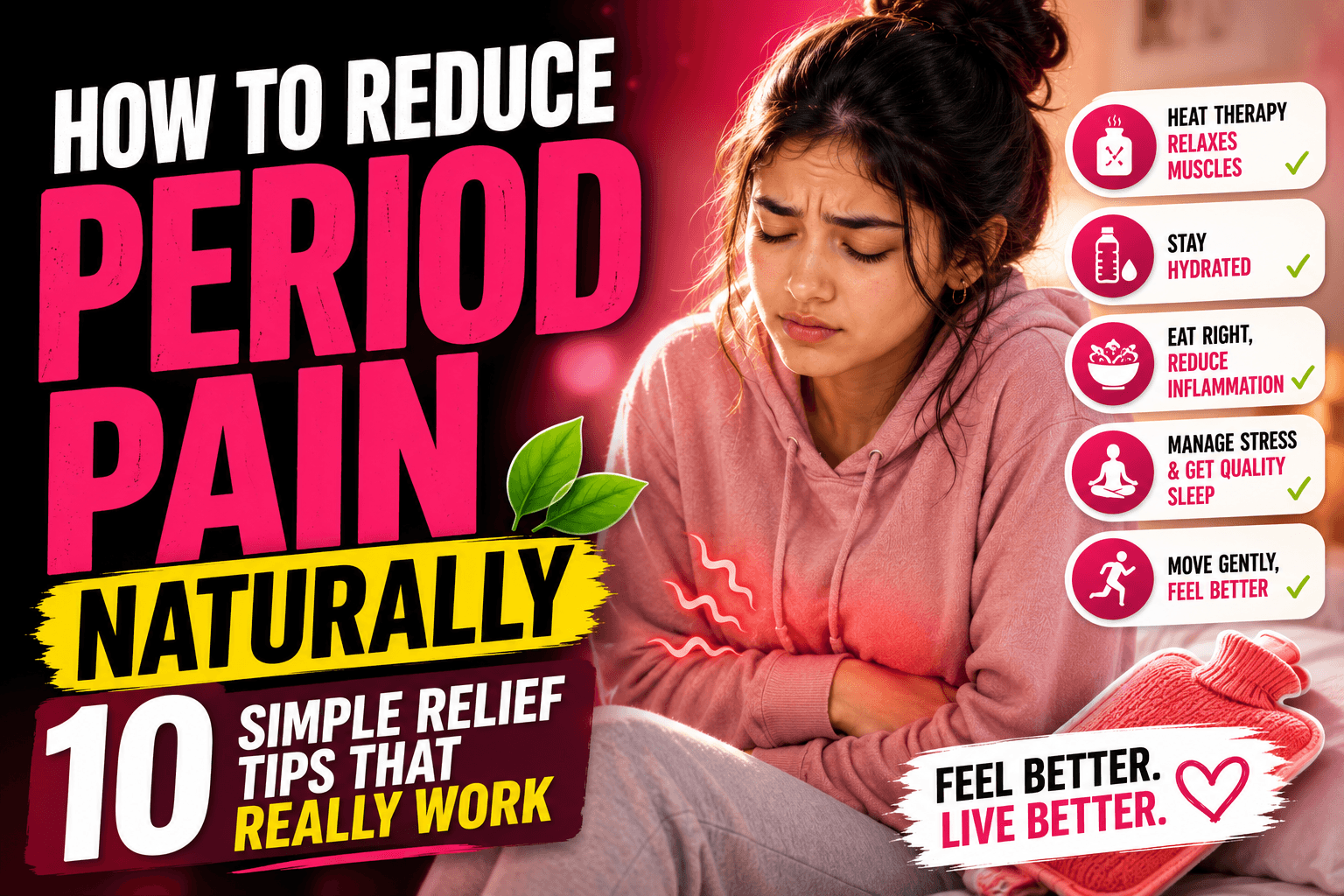
Explore expert-backed natural remedies for reducing period pain. Learn effective strategies to ease menstrual discomfort and improve your well-being.

Maryam Mumtaz
Co-Founder & CEO
11 min read•8/1/2026
Marsa Empower · Menstrual Health & Wellness · For Girls & Women Aged 13 and Above · 14 min read
"Period pain is common — but it does not have to be something you simply endure. Understanding why it happens is the first step toward managing it effectively."
Period pain is one of the most universal experiences of female biology — and one of the most consistently dismissed. Girls are told it is normal, told to push through it, told that a hot water bottle and some patience is all that is needed. They miss school. They cancel plans. They take pain medication without understanding what is causing the pain or whether there is something more effective they could do.
For many girls and women, this normalisation means that significant, treatable pain is accepted as an inevitable part of being female — when in reality, period pain has identifiable causes, evidence-based natural management strategies, and in more severe cases, medical treatments that dramatically improve quality of life.
This guide covers everything — what causes period pain at the biological level, why some women have more pain than others, what natural strategies are genuinely supported by evidence, what makes pain worse, and the critical signs that indicate when natural management is not enough and medical evaluation is needed.
Understanding your pain is not dramatic. It is the foundation of doing something effective about it.
Period pain — known medically as dysmenorrhoea — is caused by the natural contractions of the uterus during menstruation. But understanding the specific mechanism helps clarify why these contractions are painful for some women and barely noticeable for others.
When the endometrium (uterine lining) begins to break down at the start of menstruation, cells in the lining release chemicals called prostaglandins — specifically prostaglandin E2 and prostaglandin F2α. These chemicals cause the smooth muscle of the uterine wall to contract.
These contractions serve a purpose: they help the uterus expel the shed lining efficiently. But strong, frequent contractions can temporarily reduce blood flow to the uterine muscle — depriving it of oxygen in a process called ischaemia. Muscle deprived of oxygen produces pain signals through the same mechanism as a muscle cramp or cardiac pain. This oxygen deprivation is the primary reason period cramps feel like cramping, squeezing, or aching pain.
Women with higher prostaglandin levels experience stronger, more frequent uterine contractions — and more pain. This explains why period pain varies so significantly between women: it is not simply a matter of pain tolerance. It is a matter of prostaglandin biology.
Several factors influence how much prostaglandin the body produces:
Not all period pain has the same cause. Understanding which type you have determines what the most effective management approach is.
Primary dysmenorrhoea is period pain caused solely by the normal prostaglandin-driven contractions of the uterus — with no underlying structural or medical cause. This is the most common type, affecting the majority of women who experience period pain.
It typically:
Secondary dysmenorrhoea is period pain caused by an underlying medical condition — most commonly:
Endometriosis: A condition in which tissue similar to the endometrium grows outside the uterus — on the ovaries, fallopian tubes, bowel, or elsewhere in the pelvis. This tissue responds to hormonal signals in the same way the uterine lining does — swelling, bleeding, and triggering inflammation during each cycle. The pain is typically more severe, may start before the period, and may not be limited to menstruation.
Adenomyosis: A condition in which endometrial tissue grows into the wall of the uterus itself, causing the uterine wall to thicken and produce heavy, painful periods.
Fibroids: Non-cancerous growths in or on the uterine wall that increase the surface area of the endometrium and the contractile force needed to expel it.
PCOS (Polycystic Ovary Syndrome): Can produce irregular, sometimes very heavy and painful periods when they occur.
Pelvic Inflammatory Disease (PID): Infection of the reproductive organs that causes chronic pelvic pain.
Secondary dysmenorrhoea typically requires medical management in addition to — or instead of — natural remedies alone.
If your period pain is severe, worsening, present outside of menstruation, or accompanied by heavy bleeding, this section is why you should not rely solely on home remedies and should seek medical evaluation.
Period pain is rarely limited to the lower abdomen — it produces a cluster of symptoms that can affect the whole body.
| Symptom | Where It Occurs | Why It Happens |
|---|---|---|
| Cramping pain | Lower abdomen | Uterine muscle contractions from prostaglandins |
| Lower back pain | Lower back | Uterine contractions radiate through the sacral nerve network |
| Thigh pain | Upper inner thighs | Same nerve network radiates pain to the upper legs |
| Bloating | Abdomen | Fluid retention + prostaglandin effects on the digestive system |
| Nausea | Stomach | Prostaglandins affect the digestive tract |
| Headaches | Head and temples | Hormonal shifts and prostaglandin effects on blood vessels |
| Diarrhoea or loose stools | Digestive system | Prostaglandins stimulate intestinal smooth muscle as well as uterine smooth muscle |
| Constipation | Digestive system | Progesterone relaxing smooth muscle before the period |
| Fatigue | Whole body | Blood loss begins + hormonal shifts |
| Irritability or mood changes | Emotional | Hormonal changes + physical discomfort |
The strategies below are supported by clinical evidence — not simply popular belief. Understanding how each one works mechanically makes it much easier to use them effectively and consistently.
Heat therapy is the most well-studied and most effective non-pharmacological intervention for period pain — and research has shown it to be comparable in effectiveness to ibuprofen for mild to moderate cramps.
Heat relieves period pain through two mechanisms:
Muscle relaxation: Warmth causes smooth muscle — the type of muscle that makes up the uterine wall — to relax. Relaxed uterine muscle contracts less forcefully, reducing the intensity of cramping.
Improved blood flow: Heat dilates blood vessels, improving circulation to the pelvic region. Better blood flow to the uterine muscle reduces the ischaemia (oxygen deprivation) that causes the cramping sensation — the same reason a warm shower or bath relieves muscle tension anywhere in the body.
Hot water bottle: Fill with comfortably hot (not boiling) water. Always wrap in a cloth or towel before placing on skin — direct contact with a very hot bottle can cause burns. Place on the lower abdomen for 15 to 20 minutes. Repeat as needed.
Heating pad or electric pad: Set to a comfortable warmth — not the highest setting. Place on the lower abdomen or lower back. Can be used safely for extended periods at low settings.
Warm bath or shower: A warm bath with 1 to 2 cups of Epsom salts (magnesium sulphate) is particularly effective — the warmth relaxes pelvic muscles and the magnesium is absorbed transdermally, adding anti-inflammatory benefit. A warm shower directed at the lower back provides targeted heat for back pain.
Warm compress: A cloth soaked in hot water and wrung out, then placed on the lower abdomen. Less sustained than a hot water bottle but still effective.
Studies comparing continuous low-level heat therapy to oral ibuprofen for period pain have found heat therapy to be as effective — or in some studies, marginally more effective — for reducing pain intensity, with the added benefit of also reducing menstrual-related anxiety and physical symptoms like nausea.
Staying well hydrated during your period provides more specific benefit than the general advice to "drink plenty of water" typically conveys.
Reduces bloating: Water retention driven by hormonal changes causes the bloating and abdominal heaviness many women experience premenstrually and during their period. Adequate water intake — counterintuitively — helps the body release retained fluid more efficiently, reducing bloating. Dehydration worsens fluid retention as the body holds onto available water more aggressively.
Supports circulation: Adequate hydration maintains blood volume and viscosity, supporting efficient circulation to the pelvic region — which may reduce the ischaemia component of cramping.
Reduces headaches: Dehydration is a direct trigger for headaches, and dehydration-driven headaches compound the hormonal headaches that many women experience around menstruation.
Reduces nausea: Mild dehydration worsens nausea — one of the most common associated symptoms of period pain. Staying hydrated reduces the severity of nausea during heavy flow days.
Warm or hot water — warm water is particularly beneficial during menstruation because it provides mild internal heat that mirrors the relaxing effects of external heat therapy.
Warm lemon water — the warmth provides internal heating benefit, and lemon provides vitamin C (which supports iron absorption — important during a period when iron is being lost through bleeding).
Herbal teas: Several herbal teas have specific evidence for period pain relief:
Ginger tea: Ginger contains compounds (gingerols and shogaols) that have anti-prostaglandin properties — reducing the production of the chemicals that drive cramping. Studies have found ginger tea as effective as ibuprofen for reducing period pain intensity in some women. Boil 1 teaspoon of fresh grated ginger in 2 cups of water for 10 minutes. Drink 2 to 3 cups per day during your period.
Chamomile tea: Contains compounds including apigenin and glycine that relax uterine smooth muscle and have mild anti-inflammatory properties. Studies show chamomile tea reduces the severity of period cramps when consumed regularly in the days before and during menstruation.
Fennel tea: Fennel seeds contain compounds that reduce prostaglandin activity. Some clinical studies show fennel seed extract to be as effective as ibuprofen for primary dysmenorrhoea.
Peppermint tea: Menthol in peppermint has antispasmodic properties — relaxing smooth muscle. Particularly helpful for the nausea and digestive symptoms accompanying period pain.
Coconut water: Provides electrolytes — particularly potassium — that support muscle function and reduce the muscle cramping that contributes to period pain.
Caffeinated drinks (excessive chai, coffee, energy drinks) can worsen dehydration and increase anxiety — which amplifies pain perception. Limit to one to two cups per day during your period. Cold drinks can cause some women to experience worsened cramping — if you notice this pattern, switch to room temperature or warm beverages.
What you eat in the days before and during your period has a direct and measurable impact on how much pain you experience. This is not about restrictive dieting — it is about choosing foods that reduce the inflammatory processes driving your pain.
The key nutritional strategy for reducing period pain is reducing the dietary precursors to prostaglandins while increasing the dietary factors that reduce prostaglandin activity.
Omega-3 fatty acids are the most evidence-supported nutritional intervention for period pain. They compete with arachidonic acid (the precursor to pro-inflammatory prostaglandins) in the body's enzymatic pathways, reducing the amount of inflammatory prostaglandins produced. Studies show that women who supplement with omega-3 fatty acids for two to three months experience significantly reduced period pain compared to those who do not.
Best sources: Fatty fish (salmon, sardines, mackerel) · Walnuts · Chia seeds · Flaxseeds · Hemp seeds
Magnesium is essential for muscle relaxation. It works by blocking the action of calcium in muscle cells — and since muscle contractions require calcium, adequate magnesium reduces the intensity of uterine contractions. Studies consistently show that women with lower magnesium levels experience more severe period pain.
Best sources: Pumpkin seeds · Dark chocolate (70%+) · Spinach · Almonds · Cashews · Black beans · Avocado · Banana
Vitamin D reduces prostaglandin production directly and modulates the immune-inflammatory response. Studies have found significant reductions in period pain in women who are vitamin D deficient when they supplement adequately.
Best sources: Sunlight · Fatty fish · Eggs · Fortified dairy
Zinc reduces prostaglandin production and has anti-inflammatory effects. Zinc deficiency is associated with more severe dysmenorrhoea.
Best sources: Pumpkin seeds · Meat · Chickpeas · Cashews · Lentils
| Food | Why It Helps | How to Include |
|---|---|---|
| Ginger | Inhibits prostaglandin synthesis — as effective as ibuprofen in some studies | Fresh ginger tea · Add to cooking · Ginger water |
| Salmon and fatty fish | Omega-3 fatty acids reduce inflammatory prostaglandins | 2 to 3 servings per week |
| Walnuts and chia seeds | Plant-based omega-3 | Daily handful of walnuts · Chia in yogurt or water |
| Dark chocolate (70%+) | Magnesium + antioxidants + mild mood elevation | A small piece daily during period |
| Turmeric | Curcumin reduces prostaglandin production and inflammation | Add to cooking, milk (haldi doodh) |
| Pumpkin seeds | Magnesium + zinc | Add to meals and snacks |
| Leafy greens | Iron (replacing period losses) · Magnesium · Folate | At most meals |
| Bananas | Potassium + B6 + magnesium | Daily snack |
| Avocado | Healthy fats + magnesium + potassium | Add to meals when available |
| Chamomile and ginger tea | Anti-prostaglandin · Anti-spasmodic | 2 to 3 cups daily during period |
| Eggs | Protein + iron + B12 + vitamin D | Daily — particularly at breakfast |
| Food | Why It Worsens Pain | Practical Action |
|---|---|---|
| High-sugar foods and drinks | Spike inflammation and worsen prostaglandin production | Significantly reduce during period week |
| Refined carbohydrates (white bread, processed snacks) | Same pro-inflammatory insulin-spiking mechanism | Replace with whole grain alternatives |
| Excessive salt | Worsens fluid retention and bloating | Reduce packaged and processed foods |
| Alcohol | Dehydrating · Worsens inflammation · Disrupts sleep | Avoid during period |
| Excessive caffeine | Can increase anxiety (amplifying pain perception) · Mildly dehydrating | Limit to 1 to 2 cups per day |
| Trans fats (fried and packaged foods) | Most pro-inflammatory dietary fat · Directly worsens prostaglandin balance | Avoid commercial fried foods and packaged biscuits |
| Red meat in large amounts | High in arachidonic acid — precursor to inflammatory prostaglandins | Moderate portions — choose lean cuts |
Exercise during period pain is counterintuitive — when everything in your body is telling you to lie still, the last thing you feel like doing is moving. But the evidence for gentle exercise as a pain reliever is substantial.
Endorphin release: Physical movement stimulates the release of endorphins — the body's natural pain-relieving and mood-elevating chemicals. Endorphins bind to pain receptors in the brain and reduce the perception of pain — the same mechanism through which opioid pain medications work, but naturally and without side effects.
Improved pelvic blood flow: Gentle movement increases circulation to the pelvic region, reducing the ischaemia (oxygen deprivation) of the uterine muscle that drives cramping.
Cortisol reduction: Exercise reduces cortisol — and lower cortisol means reduced amplification of pain signals. Stress hormones lower the pain threshold, making the same level of physiological pain feel more intense. Exercise reverses this.
Prostaglandin metabolism: Some evidence suggests that regular aerobic exercise reduces baseline prostaglandin levels — meaning women who exercise consistently throughout the month may have less severe period pain overall.
Walking: The most accessible and often the most immediately helpful. Even a 15 to 20 minute gentle walk produces measurable endorphin release and improved pelvic circulation. Most women find that their cramps ease within 15 to 20 minutes of starting a gentle walk.
Yoga: The most specifically recommended form of exercise for period pain — because specific yoga poses are designed to open and relax the pelvic region, release tension in the lower back, and improve circulation to the uterus. The breathing component of yoga also activates the parasympathetic nervous system, reducing the cortisol-driven amplification of pain.
Gentle cycling: Low-impact, easy to control intensity, and provides cardiovascular benefit without jarring the pelvis.
Swimming: Warm water provides heat therapy while the movement provides cardiovascular and pain-relief benefits. Requires a tampon or menstrual cup.
Light stretching: Even 10 minutes of targeted stretching focused on the hips, lower back, and abdomen provides measurable relief.
Very high-intensity exercise on the heaviest, most painful days can worsen cramping in some women by increasing prostaglandin release. Save intense workouts for days 3 to 5 of the period, when flow and pain have typically reduced.
Sleep is one of the most powerful modulators of pain perception available — and one of the most consistently disrupted by period pain.
Poor sleep lowers the pain threshold — a single night of insufficient sleep measurably increases the perceived intensity of the same pain stimulus the following day. This creates a cycle: period pain disrupts sleep → reduced sleep lowers pain tolerance → the next day's pain feels more intense → which disrupts sleep further.
Breaking this cycle through sleep support is therefore a direct pain management strategy, not simply general wellbeing advice.
Heat before bed: Applying a warm water bottle to the lower abdomen for 20 minutes before sleep relaxes uterine muscle and makes it significantly easier to fall asleep during a painful night.
Magnesium in the evening: Magnesium has a natural calming, sleep-supporting effect in addition to its muscle-relaxing properties. A small amount of dark chocolate, a handful of almonds, or a warm glass of milk (which contains both magnesium and calcium) in the evening supports both muscle relaxation and sleep onset.
Comfortable sleep position: Sleeping in the foetal position — on your side with your knees drawn up toward your chest — reduces tension in the abdominal muscles and can decrease the intensity of cramps compared to lying flat on your back.
Sleep environment: A cool, dark, quiet room consistently improves sleep quality. If period pain is waking you at night, keep a hot water bottle at bedside so you can apply heat immediately without fully waking.
Chronic stress worsens period pain — not as a psychological effect, but through a specific physiological pathway.
When you are chronically stressed, the body maintains elevated cortisol levels. Elevated cortisol:
Many women notice that their period pain is worse during examination periods, family difficulties, or other high-stress times. This is not coincidence — it is cortisol physiology.
Deep breathing and diaphragmatic breathing: Slow, deep breaths activate the parasympathetic nervous system — the "rest and digest" state that counters the cortisol-driven "fight or flight" state. A simple exercise: breathe in for four counts, hold for four counts, breathe out for six counts. Even five minutes of this during cramping has measurable pain-reducing effects by activating the vagus nerve and reducing cortisol.
Mindfulness and body scanning: Simply observing physical sensations — including pain — with curiosity rather than resistance has been shown in clinical trials to reduce the perceived intensity of chronic pain, including dysmenorrhoea. This is not about denying the pain exists — it is about changing the brain's resistance response to it.
Gentle movement: As described above, exercise reduces cortisol directly.
Social connection: Spending time with people who support and comfort you reduces cortisol — genuine social connection is one of the most powerful biological buffers against stress.
Time in nature: Even 20 minutes spent in a park or green space measurably reduces cortisol levels.
Gentle abdominal massage can help relax uterine smooth muscle and improve local blood flow — providing meaningful relief when done correctly.
Several essential oils have evidence for reducing period pain when used in abdominal massage. Research has found blends of lavender, clary sage, and rose essential oils (diluted in a carrier oil — never applied neat) to reduce pain intensity significantly compared to unscented carrier oil alone.
Safe dilution ratio: 2 to 3 drops of essential oil per 10 ml of carrier oil (coconut, olive, or almond oil).
Never apply undiluted essential oils directly to skin — they can cause chemical burns.
Several nutritional supplements have clinical evidence supporting their use for period pain. These should complement dietary changes, not replace them — and should ideally be discussed with a healthcare professional before starting.
| Supplement | Evidence Strength | Dose | Notes |
|---|---|---|---|
| Omega-3 fatty acids (fish oil) | Strong | 1,000 to 2,000 mg EPA/DHA daily | Take for at least two to three months for full effect |
| Magnesium | Strong | 250 to 400 mg daily | Magnesium glycinate or citrate — better absorbed than oxide |
| Vitamin D | Moderate | 1,000 to 2,000 IU daily (or higher if deficient) | Test blood level first — supplement dose based on result |
| Zinc | Moderate | 30 mg daily for five days before period | Do not exceed 40 mg per day without medical guidance |
| Vitamin B1 (Thiamine) | Moderate | 100 mg daily | Studies show significant reduction in dysmenorrhoea |
| Vitamin E | Moderate | 400 IU daily for two days before and three days during period | Reduces prostaglandin production |
| Ginger extract | Moderate | 250 mg four times daily during the period | Studies show equivalent to ibuprofen for mild-moderate pain |
Important: Do not start multiple supplements simultaneously. Introduce one at a time. If you are on any medications, consult a doctor before starting supplementation.
Natural remedies manage mild to moderate period pain effectively for many women. For moderate to severe pain, over-the-counter pain medications — particularly anti-inflammatory medications — are both appropriate and evidence-based.
Ibuprofen is a non-steroidal anti-inflammatory drug (NSAID) that works by directly inhibiting the prostaglandin-producing enzyme (cyclooxygenase). Unlike paracetamol — which reduces pain perception — ibuprofen addresses the actual cause of period pain at the biochemical level.
Key points for effective use:
Paracetamol reduces pain perception but does not address the prostaglandin mechanism directly. It is a reasonable option when ibuprofen is not appropriate or not available. Standard dose: 500 to 1,000 mg every four to six hours as needed.
These yoga poses are specifically designed to open the pelvic region, relax uterine and abdominal muscle, and improve circulation to the lower abdomen.
Kneel on the floor with knees wide apart, toes together. Sit back on your heels, then stretch your arms forward on the floor and lower your forehead to rest. This pose gently stretches the lower back, relaxes the hips, and releases tension in the pelvic region. Hold for 30 to 60 seconds, breathing deeply and consciously relaxing the abdomen with each exhale.
Lie flat on your back. Draw your right knee toward your chest, then gently guide it across your body to the left side, keeping both shoulders on the floor. Extend your right arm out to the side and look to the right. Hold for 20 to 30 seconds, then repeat on the other side. This twist gently massages the uterus, releases tension in the lower back, and improves circulation to the abdomen.
Lie flat on your back. Bring the soles of your feet together and allow your knees to fall open to either side. Place your hands on your lower abdomen, one over the other. Breathe slowly and deeply, allowing the weight of your knees to gently open the hips. Hold for one to three minutes. This pose is deeply relaxing for the pelvic floor and uterine muscle.
Sit on the floor with legs extended straight in front. On an exhale, hinge forward from the hips and reach toward your feet (or as far as is comfortable without straining). Allow the lower back to lengthen rather than round. Hold for 30 to 60 seconds. This pose decompresses the lower back and gently stretches the entire posterior chain, relieving radiating period pain.
Sit sideways against a wall, then swing your legs up so they rest vertically against the wall. Allow your arms to rest at your sides, palms up. Close your eyes and breathe slowly. This deeply restorative pose reduces leg fatigue, relieves lower back pressure, and promotes blood return to the core. Hold for three to ten minutes.
Start on hands and knees. On an inhale, drop the belly toward the floor and lift the head (cow position). On an exhale, round the spine toward the ceiling and tuck the chin toward the chest (cat position). Flow between the two positions slowly and rhythmically for one to two minutes. This gentle spinal movement massages the pelvic organs and relieves lower back tension.
| Habit | Why It Worsens Pain |
|---|---|
| Skipping meals | Drops blood sugar → elevates cortisol → amplifies pain |
| Dehydration | Worsens bloating · Increases headaches · Impairs circulation |
| Staying still all day | Reduces pelvic blood flow · Increases muscle stiffness |
| Sleeping late or sleeping irregularly | Disrupts cortisol rhythm · Lowers pain threshold |
| High caffeine intake | Dehydrating · Increases anxiety · Can worsen cramping in some women |
| High sugar and processed food | Drives inflammation · Worsens prostaglandin production |
| Smoking | Nicotine constricts blood vessels · Worsens ischaemia of uterine muscle · Significantly worsens dysmenorrhoea |
| Not using heat | Missing the most accessible and effective natural treatment |
| Excessive screen time at night | Disrupts sleep · Raises cortisol · Lowers pain tolerance |
| High salt intake | Worsens fluid retention and bloating |
Keeping a simple record of your menstrual cycle transforms period pain management from reactive to proactive.
After three to four cycles of consistent tracking:
Natural remedies manage primary dysmenorrhoea effectively for most women. But there are clear signals that period pain requires medical evaluation — not just better home management.
| Symptom or Pattern | Why It Matters |
|---|---|
| Pain is severe — preventing school, work, or daily activities | Normal period pain should be manageable. Debilitating pain warrants evaluation for underlying causes |
| Pain is getting worse over months or years | Worsening pain over time is a key indicator of secondary dysmenorrhoea — particularly endometriosis |
| Pain starts several days before the period | Typical of endometriosis — which produces pain throughout the cycle, not just during menstruation |
| Pain continues beyond the first two to three days of the period | Primary dysmenorrhoea typically peaks in the first two days and improves. Prolonged pain suggests an underlying cause |
| Very heavy flow — soaking a full pad every one to two hours | Heavy bleeding combined with severe pain suggests fibroids or adenomyosis |
| Large blood clots regularly | As above |
| Pain during sexual intercourse (dyspareunia) | A significant indicator of endometriosis requiring prompt evaluation |
| Pain during bowel movements around menstruation | Another indicator of endometriosis involving the bowel |
| Natural remedies and ibuprofen provide no meaningful relief | When first-line management fails, underlying pathology is more likely |
| Pain accompanied by fever or unusual discharge | May indicate pelvic inflammatory disease (infection) requiring antibiotic treatment |
Is period pain normal?
Mild to moderate cramping during the first two to three days of a period is common and expected. Pain severe enough to prevent normal daily activities is not something to simply accept — it may indicate a treatable underlying condition and deserves medical evaluation.
Can exercise really reduce period pain?
Yes — research consistently supports gentle exercise as effective for period pain relief. The mechanism involves endorphin release (natural pain relief), improved pelvic blood flow, and cortisol reduction. Even 20 to 30 minutes of walking or gentle yoga produces measurable benefit for most women.
Should I use heat for cramps?
Yes — heat therapy is one of the most evidence-based and most immediately effective natural treatments for period pain. Clinical studies show it to be comparable to ibuprofen for mild to moderate dysmenorrhoea. Use a warm water bottle, heating pad, or warm bath for best results.
Does drinking water help period pain?
Yes — staying hydrated reduces bloating, supports pelvic circulation, reduces headaches, and manages nausea. Warm water and specific herbal teas (ginger, chamomile, fennel) provide additional anti-prostaglandin benefits beyond simple hydration.
What is the most effective natural remedy for period pain?
The most evidence-supported natural interventions are: heat therapy (immediate relief), ginger tea (comparable to ibuprofen in some studies), omega-3 fatty acid supplementation (effective when taken consistently for two to three months), magnesium (reduces muscle contractility), and gentle exercise (endorphin-mediated pain relief).
Can stress make period pain worse?
Yes — significantly. Elevated cortisol from chronic stress lowers the pain threshold, amplifying the perception of the same level of physical pain. Managing stress in the days before and during your period is a legitimate and effective pain management strategy.
Should I take ibuprofen or paracetamol for period pain?
Ibuprofen (Brufen) is more effective than paracetamol for period pain because it directly inhibits prostaglandin production — addressing the cause of the cramping rather than simply reducing pain perception. It works best when taken at the first sign of cramping rather than waiting until pain is severe. Take with food, and check with a pharmacist or doctor if you have any health conditions.
| Strategy | Effectiveness | How to Use |
|---|---|---|
| Heat therapy | Very high | Hot water bottle on lower abdomen for 15–20 minutes. Repeat as needed. |
| Ginger tea | High | Fresh ginger boiled in water · 2 to 3 cups daily during period |
| Omega-3 fatty acids | High (with consistent use) | Fatty fish 2 to 3 times per week · Fish oil supplements |
| Magnesium | High | Pumpkin seeds · Dark chocolate · Supplement 250–400 mg daily |
| Gentle exercise | High | 20–30 minute walk or yoga session |
| Hydration | Moderate | 6 to 8 glasses water daily · Herbal teas |
| Anti-inflammatory diet | Moderate | Reduce sugar and processed foods · Increase omega-3 sources |
| Sleep | Moderate | 8+ hours · Foetal position · Heat before bed |
| Stress management | Moderate | Deep breathing · Gentle movement · Social connection |
| Abdominal massage | Moderate | Gentle circular massage with warm oil for 5 to 10 minutes |
| Yoga | Moderate | Child's pose · Supine twist · Legs up the wall · Cat-cow |
| Ibuprofen (when natural is insufficient) | Very high | 400 mg at first sign of cramping · With food |
"Period pain is not just part of being a woman that must be silently endured. It is a biological process with identifiable causes, evidence-based natural management strategies, and effective medical treatments. You deserve to understand it — and to feel better."
Educational Disclaimer
This article is for educational and awareness purposes only. It does not constitute medical advice, diagnosis, or treatment. If you experience severe, worsening, or debilitating period pain, please consult a qualified gynaecologist or healthcare professional for personalised evaluation and guidance.
Marsa Empower · Menstrual Health · Period Wellness · Natural Pain Relief
Medical Disclaimer
This article is for general informational and educational purposes only and is not a substitute for professional medical advice, diagnosis, or treatment. Always seek the advice of a qualified healthcare provider with any questions you may have regarding a medical condition. Never disregard professional medical advice or delay seeking it because of something you have read on MARSA Empower.
Written By
Maryam Mumtaz
Co-Founder & CEO
Co-Founder of MARSA Empower who leads the visual and strategic evolution of the platform. Maryam bridges technical complexity with human-centric design, architecting the team's official roadmap and ensuring MARSA effectively addresses the real-world needs of women. With deep expertise in agentic AI, full-stack development, and UI/UX design, she has delivered 50+ projects for 30+ satisfied clients.
Enjoyed this story?