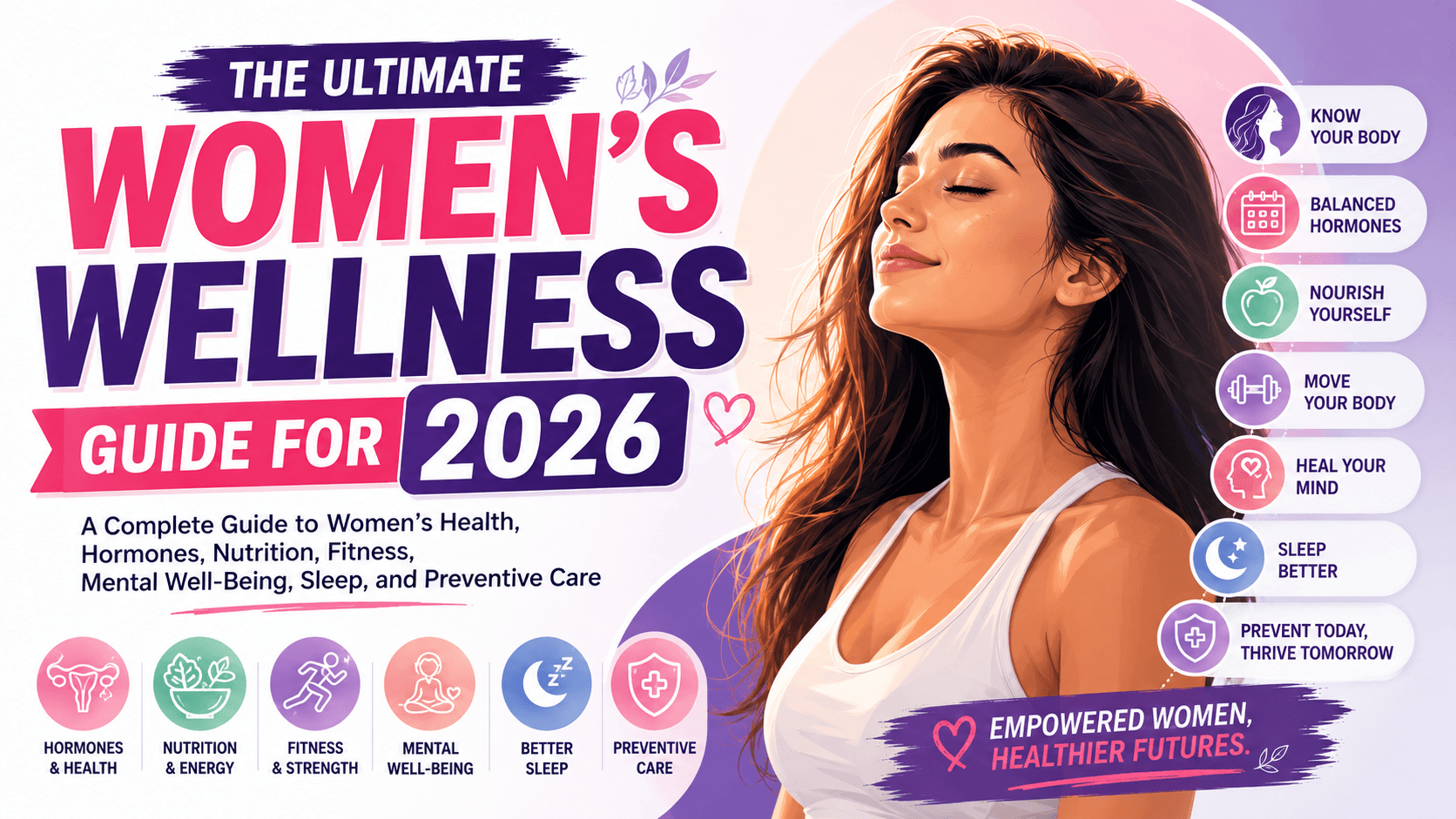
Discover the comprehensive guide to women's wellness for 2026. From mental health to nutrition, empower your journey with actionable insights.

Maryam Mumtaz
Co-Founder & CEO
20 min read•8/21/2026
Marsa Empower · Women's Health · Complete Wellness Resource · For Girls & Women of Every Age · 20 min read
"Wellness is not a destination. It is a daily relationship with your body — one built on understanding, consistency, and the knowledge that every stage of your life deserves specific, informed care."
Women's health has never been more discussed — and in many ways, never been less clearly understood.
The internet offers an overwhelming volume of wellness content — some of it excellent, much of it conflicting, a significant portion of it driven by products to sell or trends to follow. In this environment, knowing what actually matters for women's health, what the evidence actually supports, and what is appropriate at each life stage is more valuable than it has ever been.
This guide is Marsa Empower's definitive resource for women's wellness in 2026. It covers every major dimension of women's health — hormones, nutrition, fitness, sleep, mental wellbeing, preventive care, and more — in clear, simple language that is accessible to a teenage girl discovering her first period and equally relevant to a woman navigating perimenopause.
It is organised by topic and by life stage — because women's health needs are not static. What is most important at 16 is not the same as what is most important at 36 or 56. Good wellness guidance acknowledges this. It meets women where they are.
The starting point of women's wellness is not a supplement or a fitness programme or a diet plan. It is knowledge. Specifically, understanding how the female body works — what its systems are, how they interact, and how they change across a lifetime.
A woman who understands her body makes better decisions. She recognises symptoms that deserve attention rather than normalisation. She knows when to seek help and what questions to ask. She builds habits that support her specific biological reality rather than following generic advice designed for a different body.
Women's bodies undergo more hormonal transitions in a single lifetime than men's do — puberty, monthly menstrual cycles, potential pregnancy and childbirth, postpartum recovery, perimenopause, and menopause. Each transition brings different health priorities, different vulnerabilities, and different opportunities for preventive action.
Women are also significantly more likely than men to develop:
Understanding these specific vulnerabilities — not to be alarmed by them, but to address them proactively — is what evidence-based women's wellness looks like.
Hormones are chemical messengers that regulate virtually every function in the female body — energy production, metabolism, mood, sleep, reproduction, skin health, bone density, immune function, and more. When hormonal balance is maintained, most of these systems run smoothly and efficiently. When it is disrupted, the effects ripple across multiple systems simultaneously.
Oestrogen: The primary female reproductive hormone. Builds the uterine lining, supports bone density, maintains skin hydration and collagen, supports serotonin activity (mood), and provides significant cardiovascular protection. Declines at menopause.
Progesterone: Stabilises the uterine lining after ovulation, supports sleep through its sedating effect, and counterbalances oestrogen in the second half of the cycle.
Testosterone: Present in women in small amounts — influences libido, energy, and confidence. Elevated in PCOS, where it drives acne, excess hair, and scalp thinning.
Cortisol: The primary stress hormone — appropriate in short bursts, damaging when chronically elevated. Disrupts ovulation, worsens insulin resistance, impairs sleep, and suppresses immune function when persistently high.
Thyroid hormones (T3 and T4): Regulate the metabolic rate of every cell in the body. When insufficient (hypothyroidism) — which is five to eight times more common in women than men — energy, weight, mood, hair, skin, and menstrual regularity all suffer.
Insulin: Regulates blood sugar. Insulin resistance — where cells respond poorly to insulin — is central to PCOS and is worsened by poor diet, inadequate sleep, insufficient exercise, and chronic stress.
The same foundations that support overall health — consistent nutrition, adequate sleep, regular moderate exercise, stress management, and appropriate medical care — are the primary tools for hormonal health. There is no shortcut.
The menstrual cycle is one of the most reliable health indicators available to women. Cycle length, flow volume, pain level, and associated symptoms all provide information about the hormonal and metabolic environment — information that is lost when it is not tracked and that becomes invaluable when it is.
| Feature | Healthy Range |
|---|---|
| Cycle length | 21 to 35 days |
| Period duration | 2 to 7 days |
| Flow volume | 30 to 80 ml total |
| Pain | Mild to moderate — manageable |
| Colour | Bright red to dark red to brown |
| Consistency | Reasonably predictable each cycle |
Heavy periods: Soaking a full pad more frequently than every one to two hours on the heaviest days is medically heavy. Heavy periods cause iron loss and iron deficiency anaemia over time — producing the persistent fatigue that many women with heavy periods attribute to their lifestyle rather than their cycle. Tracking flow and getting ferritin tested are the most important first steps.
Irregular periods: Cycles consistently outside the 21 to 35 day range, cycles that vary dramatically in length from month to month, or periods that disappear for three or more months without pregnancy — all warrant investigation. The most common causes are PCOS, thyroid dysfunction, stress, nutritional insufficiency, and significant weight changes.
Period pain: Mild cramping is normal. Pain severe enough to prevent attending school, work, or daily activities is not something to simply accept. Severe period pain can indicate endometriosis or adenomyosis — conditions that are significantly under-diagnosed and that respond well to appropriate medical management when identified.
Read more: How to Reduce Period Pain Naturally and Heavy Periods or Irregular Periods on Marsa Empower.
Polycystic Ovary Syndrome affects approximately 1 in 10 women globally and is consistently under-diagnosed — particularly in its milder presentations and in women who do not fit the stereotypical overweight presentation.
PCOS is a hormonal and metabolic syndrome characterised by:
Irregular periods · Persistent jawline acne · Excess facial or body hair · Scalp hair thinning · Unexplained weight gain, particularly abdominal · Fatigue · Dark skin patches around the neck or underarms · Difficulty conceiving
Not every woman with PCOS has all of these symptoms. PCOS exists in a wide spectrum of presentations.
PCOS cannot currently be cured — but it can be managed very effectively. The most evidence-supported interventions include:
Read more: PCOS: Symptoms, Causes, and Treatment Options and PCOS and Weight Gain Explained on Marsa Empower.
Thyroid disorders are among the most common medical conditions in women — affecting one in eight women during their lifetime — and among the most consistently missed.
The thyroid produces hormones that regulate the metabolic rate of every cell in the body. When it underproduces (hypothyroidism) — which is five to eight times more common in women — every system slows:
These symptoms are easy to attribute to stress, aging, or lifestyle — which is why the average diagnostic delay for hypothyroidism is measured in years.
A TSH blood test is the primary diagnostic tool. Crucially, serum ferritin (iron stores) should be tested alongside TSH in any woman with fatigue and hair loss — because the symptoms overlap significantly and both deficiencies frequently coexist.
Read more: Understanding Thyroid Problems in Women on Marsa Empower.
Good nutrition is not about following the most popular diet of the year. It is about providing the body with consistent, adequate fuel across all the biological systems that depend on it — particularly the hormonal, immune, bone, and metabolic systems that determine long-term health.
Iron: Women lose iron monthly through menstruation and require it in greater amounts during pregnancy. Iron deficiency is the most common nutritional deficiency in women worldwide — producing fatigue, poor concentration, breathlessness, hair loss, and impaired immune function. Test serum ferritin (not just haemoglobin) and eat iron-rich foods (lentils, meat, spinach, fortified cereals) alongside vitamin C to maximise absorption.
Calcium: Peak bone density is built before age 30 — the calcium consumed in the teenage years and twenties directly determines the strength of bones for the rest of life. Women aged 14 to 18 need 1,300 mg per day. Good sources: dairy, fortified plant milks, tofu (calcium-set), sesame seeds, leafy greens.
Vitamin D: Essential for calcium absorption, immune function, mood, and hormonal balance. Deficiency is extremely common in Pakistani women due to indoor lifestyles, skin coverage, and darker skin tones — with studies finding deficiency in the majority of women tested. Sunlight exposure, fortified foods, and supplementation based on blood test results address this.
Protein: The building material of every cell, hormone, and immune molecule. Include at a quality protein source at every meal — eggs, chicken, fish, lentils, dairy, nuts.
Magnesium: Involved in over 300 enzymatic processes — including hormonal production, insulin regulation, sleep quality, and muscle function. Deficiency worsens PMS, period pain, sleep quality, and anxiety. Best sources: dark chocolate, pumpkin seeds, spinach, almonds, black beans.
Omega-3 fatty acids: Reduce inflammation, reduce androgens in PCOS, support brain health, and reduce period pain through their anti-prostaglandin effect. Sources: fatty fish, walnuts, chia seeds, flaxseeds.
Reducing high-glycaemic foods — refined carbohydrates, sugary drinks, processed snacks — reduces insulin spikes that drive androgen production, worsen PCOS symptoms, increase acne severity, and promote abdominal fat storage. This change is not about calorie restriction or following a diet. It is about removing the foods that most directly worsen insulin resistance — the metabolic condition that underlies so much of women's hormonal ill-health.
Read more: Vitamin D Deficiency: Signs & Treatment on Marsa Empower.
Skin and hair are often treated as purely cosmetic concerns. They are not. They are highly visible indicators of what is happening hormonally, nutritionally, and metabolically inside the body.
Acne concentrated along the jawline and chin — particularly acne that worsens before periods — is driven by androgen stimulation of sebaceous glands. It is not a skincare failure. In women with PCOS or significant premenstrual androgen surges, topical skincare alone will never fully resolve it. Addressing the hormonal driver — through dietary changes, myo-inositol supplementation, or medical hormonal management — produces the most sustained improvement.
Good skincare for hormonal acne: Gentle twice-daily cleanser · Salicylic acid or benzoyl peroxide treatment · Non-comedogenic lightweight moisturiser · Daily SPF 30+
Read more: Hormones and Acne: What's the Connection? on Marsa Empower.
Diffuse scalp hair thinning — particularly at the crown and along the parting — is one of the most emotionally distressing hormonal symptoms for many women. It is most commonly caused by:
Read more: Common Causes of Hair Loss in Women on Marsa Empower.
Understanding vaginal discharge is an undervalued part of women's reproductive health literacy. Normal discharge is white or clear, mild-smelling, and causes no discomfort — and it changes predictably across the menstrual cycle. Discharge with a strong fishy odour, unusual colour (yellow, green, grey), or associated itching or burning warrants medical evaluation.
Read more: White Discharge Explained: What's Healthy and What Isn't on Marsa Empower.
Exercise is one of the most powerful health interventions available — affecting cardiovascular health, bone density, hormonal balance, mental health, sleep quality, metabolic function, and longevity. It is accessible, free in its basic forms, and appropriate at every fitness level.
For women who are not currently exercising: 30 minutes of brisk walking most days of the week is both sufficient and achievable as a starting point. This level of activity alone produces measurable improvements in cardiovascular health, insulin sensitivity, mood, and sleep over two to four weeks.
For women who want to build further: add strength training two to three times per week — which builds and maintains muscle mass, improves insulin sensitivity, and supports bone density more effectively than cardiovascular exercise alone.
Read more: Exercise for Beginners: A Guide for Women and How Walking Improves Women's Health on Marsa Empower.
Sleep is not a lifestyle choice. It is a biological requirement — and consistently inadequate sleep undermines every other health effort a woman makes.
During sleep, the body:
Premenstrual hormonal shifts disrupt sleep for many women each month. The hot flashes and night sweats of perimenopause disrupt sleep for years. Postpartum hormonal drops produce sleep architecture changes alongside the fragmentation of newborn care. Each of these life stages creates specific sleep challenges that benefit from specific understanding.
Read more: Why Women Need Better Sleep and Hormones and Sleep Problems on Marsa Empower.
Women are diagnosed with anxiety and depression at approximately twice the rate of men — a disparity that reflects both genuine neurobiological differences and the unique stressors of women's lives.
The hormonal fluctuations of the menstrual cycle, pregnancy, postpartum, and menopause all affect the brain chemistry systems governing mood — particularly serotonin and GABA activity. Cultural expectations, the double burden of professional and domestic responsibility, and higher rates of childhood trauma all add to the psychological load.
Anxiety does not always present as visible panic. More commonly, it looks like:
Read more: Anxiety Symptoms Every Woman Should Know on Marsa Empower.
Regular physical activity: One of the most evidence-supported mental health interventions available — reducing cortisol, increasing serotonin and dopamine, and improving emotional regulation capacity.
Consistent sleep: Sleep deprivation is a direct anxiety amplifier. Every mental health challenge is harder to manage on insufficient sleep.
Social connection: Positive social relationships are one of the most powerful biological buffers against anxiety and depression. Isolation worsens both.
Professional support: Cognitive Behavioural Therapy (CBT) is the most evidence-supported psychological treatment for anxiety and depression. It is more effective long-term than medication alone — and medication and CBT together are more effective than either alone.
Do not wait for a crisis: The most effective time to seek mental health support is before symptoms become severe. Early intervention consistently produces better outcomes.
The most powerful health intervention available to women is not treatment — it is prevention. Regular health monitoring identifies conditions early, when they are most manageable, and before they have caused significant and potentially irreversible consequences.
Blood tests every woman should know about:
| Test | What It Checks | When to Request |
|---|---|---|
| Serum ferritin | Iron stores | Any woman with fatigue, hair loss, heavy periods |
| TSH + free T4 | Thyroid function | Any woman with fatigue, weight changes, hair changes, period changes |
| 25-OH Vitamin D | Vitamin D status | Any woman with limited sun exposure, fatigue, or frequent illness |
| Fasting glucose + insulin | Blood sugar and insulin resistance | Women with PCOS, abdominal weight gain, or family history of diabetes |
| Full blood count | Haemoglobin and general blood health | Annual for women with heavy periods |
| Cholesterol profile | Cardiovascular risk | From 30s onward, or earlier with risk factors |
Screenings by life stage:
Read more: Why Regular Health Checkups Matter on Marsa Empower.
One of the most important things to understand about women's health is that it is not static. What is most relevant changes meaningfully across different life stages — and good wellness guidance reflects this.
The teenage years are one of the most biologically significant and most poorly health-informed periods of a woman's life. The decisions and habits formed here — nutrition, sleep, exercise, mental health literacy — have consequences that extend decades forward.
Understanding puberty and the menstrual cycle: Every teenage girl deserves clear, honest information about what puberty involves, why her body is changing, what a period is and what variations are normal, and when to seek help for concerns.
Iron nutrition: The combination of rapid growth, expanding blood volume, and monthly iron loss through newly established periods places teenage girls among the highest-risk groups for iron deficiency. A diet consistently including iron-rich foods alongside vitamin C is essential. A serum ferritin test is appropriate for any teenager with persistent fatigue.
Bone density building: Calcium and vitamin D intake during the teenage years directly determines peak bone density — which protects against osteoporosis decades later. This window cannot be reopened.
Sleep protection: Teenagers need 8 to 10 hours of sleep per night — and most receive significantly less. Protecting sleep by limiting screens before bed, maintaining consistent sleep times, and treating adequate sleep as a health priority rather than a luxury has measurable benefits for mood, academic performance, immune function, hormonal health, and skin.
Mental health literacy: Anxiety and depression are more prevalent in teenage girls than in any other demographic. Recognising the symptoms, understanding that they are legitimate health concerns (not character flaws or overdramatic responses), and knowing that effective help is available are foundational mental health literacies.
HPV vaccination: The HPV vaccine — most effective when given before first sexual exposure, ideally between ages 9 and 14 — protects against the viral strains responsible for the majority of cervical cancers. This is one of the most impactful preventive health actions available.
The twenties and early thirties are when life demands are often highest and health investment is often lowest. The health habits — or the absence of them — established in this decade are among the strongest predictors of health trajectories in the decades that follow.
Hormonal health awareness: The twenties are the decade when PCOS, thyroid disorders, endometriosis, and hormonal conditions most commonly become apparent. Persistent irregular periods, severe period pain, significant acne alongside other hormonal symptoms, or difficulty managing weight despite healthy habits all warrant investigation rather than normalisation.
Stress management: The cortisol burden of professional and personal demands in the twenties is significant — and cortisol suppresses reproductive hormones, worsens insulin resistance, disrupts sleep, and impairs immune function. Building genuine, sustainable stress management practices is not optional wellness advice. It is a clinical health priority.
Nutritional consistency: Iron, vitamin D, and B12 are the deficiencies most commonly identified in young women — and all three produce fatigue and impaired function that is frequently attributed to the lifestyle demands of this decade. Annual blood testing identifies and corrects these before they produce significant consequences.
Reproductive health and cervical screening: Cervical screening according to guidelines, awareness of signs of conditions like endometriosis and ovarian cysts, and — for sexually active women — STI awareness and appropriate screening.
Exercise as a lifetime habit: The exercise habits established in the twenties are the most reliable predictor of physical activity in the thirties, forties, and beyond. Building a sustainable, enjoyable movement routine in this decade — even a modest one — is worth far more than an intense but unsustainable programme.
From the mid-thirties onward, the health landscape shifts — hormonal transitions begin approaching, cardiovascular risk factors become more clinically relevant, and the cumulative effect of years of lifestyle choices on health begins to become visible.
Proactive thyroid screening: Thyroid disorders become increasingly common in women in their thirties and forties. Any woman experiencing fatigue, weight changes, cold intolerance, hair changes, or menstrual disruption should have TSH and free T4 tested.
Metabolic health monitoring: Fasting blood glucose, fasting insulin, and cholesterol should be tested regularly from the mid-thirties — particularly for women with PCOS, a family history of diabetes, or abdominal weight gain. Early identification of insulin resistance allows lifestyle intervention before it progresses to type 2 diabetes.
Cardiovascular health: Blood pressure measurement at every health visit. Cholesterol monitoring annually. Understanding and addressing cardiovascular risk factors — including the protective effect of oestrogen that will eventually be lost at menopause — is a proactive priority in this decade.
Bone health: Weight-bearing exercise, adequate calcium and vitamin D intake, and — from menopause onward — discussion of bone density screening and protection.
Breast awareness: Monthly breast self-examination to maintain familiarity with personal baseline. Clinical breast examination annually. Discussion of mammography screening based on age and individual risk factors.
Perimenopause preparation: Many women enter perimenopause without knowing what it is or what to expect — leaving them confused and unsupported as cycles become erratic, sleep is disrupted, mood changes, and hot flashes begin. Learning about perimenopause before it begins allows proactive symptom management and informed decisions about hormonal and non-hormonal management options.
Across all ages and all life stages, seven foundational pillars consistently determine the quality of women's health. These are not advanced interventions. They are the basics — done consistently and done well.
Regular, balanced meals that consistently provide iron, calcium, vitamin D, protein, healthy fats, and adequate total calories. Not diet culture. Not restriction. Nourishment.
Six to eight glasses of water per day as a baseline. Every cellular process depends on adequate hydration — and mild chronic dehydration is among the most common and most overlooked contributors to fatigue and poor concentration.
Seven to nine hours (eight to ten for teenagers) of consistent, quality sleep — protected by consistent sleep times, screen discipline, and a calm pre-sleep routine. Sleep is not time stolen from productivity. It is the foundation that makes productivity possible.
At minimum, 30 minutes of moderate physical activity most days. Walking, cycling, yoga, swimming, strength training — whatever is both appropriate and sustainable for the individual.
Not the elimination of stress (which is not possible) but the active, consistent management of the body's stress response through exercise, breathwork, sleep, social connection, appropriate professional support, and realistic boundaries on demands.
Annual blood testing of key markers (ferritin, vitamin D, thyroid, blood glucose), regular blood pressure measurement, adherence to cervical and breast screening schedules, and prompt medical attention for symptoms that have persisted beyond two to three weeks.
Understanding how the female body works, what symptoms deserve attention, what tests are relevant when, and how to communicate effectively with healthcare providers. This is what Marsa Empower's platform is built to support.
Dramatic health transformations are far less common than sustained, consistent small habits. The following daily practices — each individually modest — compound across months and years into genuinely meaningful health outcomes.
Eat breakfast every day. Skipping breakfast elevates cortisol, disrupts blood sugar, and reduces the nutritional intake that the body needs to support its hormonal and immune systems. A breakfast containing protein, complex carbohydrates, and a fruit or vegetable is sufficient.
Track your menstrual cycle. Record cycle start and end dates, flow volume, symptoms, and energy levels. After three to four months, patterns become clear — and this data is genuinely valuable for both self-understanding and medical consultations.
Drink water before anything else in the morning. A full glass of water upon waking rehydrates after overnight water loss and sets a hydration intention for the day.
Move after meals. A 10-minute walk after lunch or dinner reduces post-meal blood sugar elevation — one of the most accessible and evidence-supported dietary metabolic interventions available.
Protect 30 minutes of screens-off time before bed. Allow melatonin to rise naturally, allow the mind to quieten, and allow the body to prepare for the sleep that restores it.
Eat one iron-rich food daily. For women who menstruate, maintaining iron stores requires consistent daily dietary attention. Lentils, eggs, spinach, meat, or fortified cereals — one meaningful iron source per day.
Step outside for 10 to 15 minutes of sunlight daily. Supports vitamin D production, reinforces the circadian clock, reduces cortisol, and provides the mood-lifting benefit of natural light and fresh air.
Do one stress-reducing activity daily. This does not need to be meditation or yoga (though both are excellent). A walk, prayer, reading, time with a friend, gardening, creative work — whatever genuinely reduces cortisol in your specific life.
Marsa Empower was built around a recognition that women's health needs do not arrive in separate, neatly organised categories — and that a digital health companion should reflect this reality.
Marsa's Health Hub provides period and cycle tracking, medication scheduling, symptom monitoring, and health pattern documentation — creating the personal baseline that makes symptom changes visible and that provides healthcare providers with genuinely useful information.
Marsa's health education resources — including the comprehensive blog library connecting to all the topics covered in this guide — explain women's health clearly, accurately, and without the medical terminology that makes so much health information inaccessible.
Marsa's Digital Doctors provide AI-powered informational guidance across gynaecology, dermatology, nutrition, and other specialist areas — in a private, accessible format that helps women understand their symptoms and know when professional help is needed.
Marsa's Smart Nutrition resources and wellness guidance support the dietary and lifestyle changes that most directly influence hormonal health, energy, weight management, and overall wellbeing.
Marsa's Mind and Soul ecosystem — including guided meditation, mood intelligence tools, and stress recovery resources — supports the daily emotional health practices that reduce anxiety, improve mood, and build the resilience that all other health efforts depend on.
Marsa's Personal Safety features — including SOS emergency hub, emergency alerts, Family Safety Sync, and SafePath navigation — recognise that women's wellbeing extends beyond health into personal safety. The platform addresses both, because both matter.
Visit Marsa Empower at marsaempower.com to create your free account and begin your health journey.
Women's wellness in 2026 is not about following the newest trend or buying the latest supplement. It is about something much simpler and much more durable: understanding your body, providing it with what it needs consistently, noticing when something changes, and seeking appropriate help when it does.
The seven pillars. The daily habits. The annual blood tests. The monthly cycle tracking. The consistent sleep. The regular movement. The protected mental health. These are not extraordinary commitments. They are accessible to most women in most circumstances — and their cumulative effect over months and years is genuinely transformative.
Every woman, at every age, deserves to feel well in her body. Not because wellness is an achievement to unlock. But because the body you live in — the body that manages your hormones, grows your bones, fights your infections, carries your pregnancies, and transitions through every hormonal season of your life — deserves to be understood, supported, and cared for.
This guide is the beginning of that understanding. The daily practice is yours to build.
"Take care of your body. Understand how it works. Notice when it changes. Seek support when you need it. And know that doing all of this — consistently and imperfectly — is what women's wellness actually looks like."
Marsa Empower | Care. Safety. Growth.
One App. Every Woman.
Learn more, track your health, and access women's wellness resources at marsaempower.com
Educational Disclaimer
This article is for educational and awareness purposes only. It does not constitute medical advice, diagnosis, or treatment. For any specific health concerns, symptoms, or medical conditions, please consult a qualified healthcare professional for personalised evaluation and guidance.
Marsa Empower · The Ultimate Women's Wellness Guide 2026 · Complete Health Resource
Medical Disclaimer
This article is for general informational and educational purposes only and is not a substitute for professional medical advice, diagnosis, or treatment. Always seek the advice of a qualified healthcare provider with any questions you may have regarding a medical condition. Never disregard professional medical advice or delay seeking it because of something you have read on MARSA Empower.
Written By
Maryam Mumtaz
Co-Founder & CEO
Co-Founder of MARSA Empower who leads the visual and strategic evolution of the platform. Maryam bridges technical complexity with human-centric design, architecting the team's official roadmap and ensuring MARSA effectively addresses the real-world needs of women. With deep expertise in agentic AI, full-stack development, and UI/UX design, she has delivered 50+ projects for 30+ satisfied clients.
Enjoyed this story?