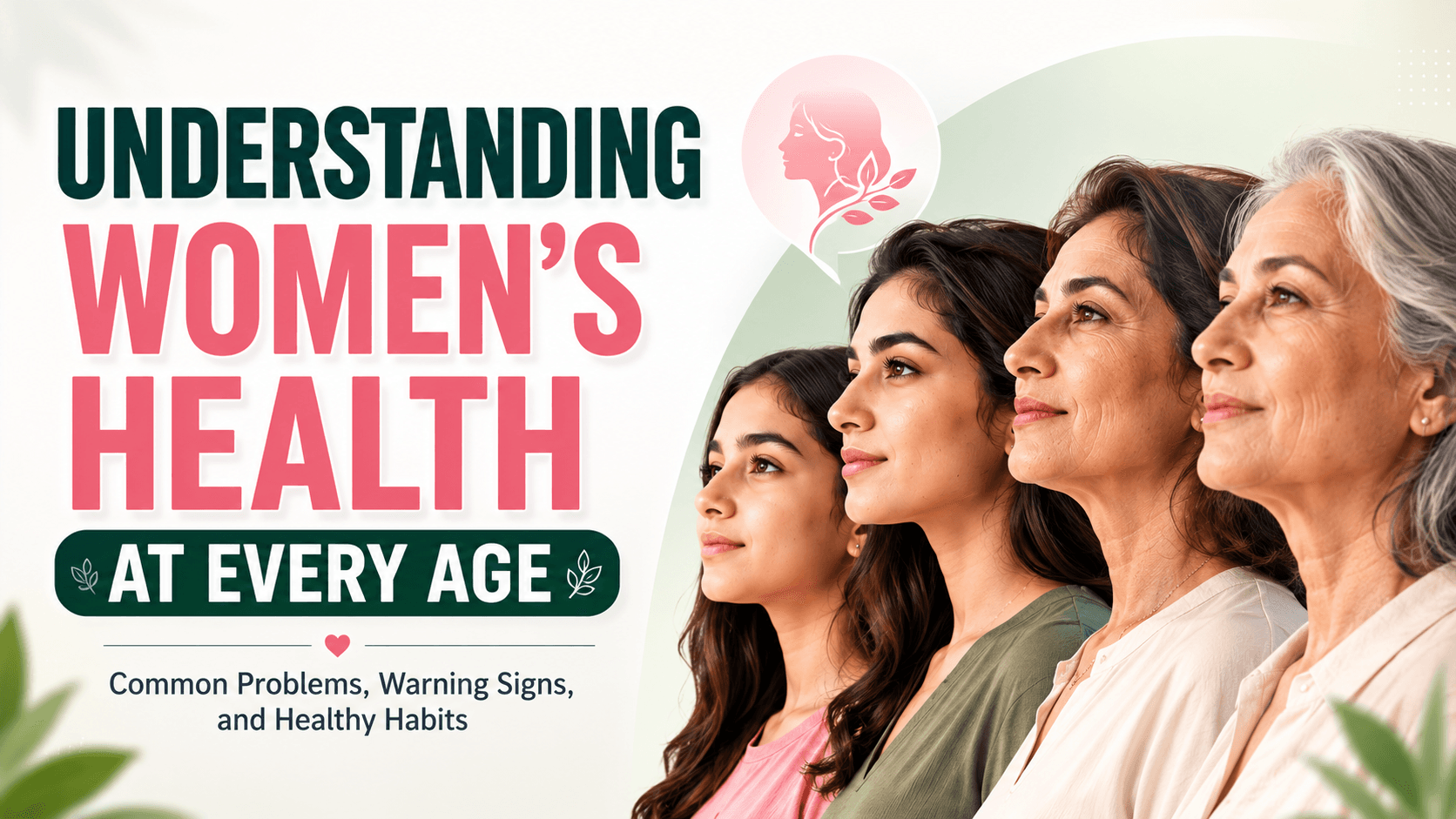
Discover a comprehensive guide to women's health at every life stage. Learn about common problems, important warning signs, and essential healthy habits.

Maryam Mumtaz
Co-Founder & CEO
12 min read•7/22/2026
Marsa Empower · Women's Health · Complete Wellness Guide · For Every Woman Aged 13 and Above · 18 min read
"Your health is not a luxury. It is a right. And understanding your body — at every age and every stage — is the first step toward protecting it."
Women's health is not just about periods and pregnancy. It is about every system in the body — the heart, the bones, the brain, the hormones, the skin, the digestive system, the immune system — and how all of these systems change and develop from the teenage years all the way through to old age.
Women's bodies are remarkable. They go through more biological transitions in a single lifetime than almost any other category of human experience — puberty, monthly hormonal cycles, possible pregnancy and childbirth, perimenopause, and menopause. Each of these transitions brings its own changes, its own challenges, and its own set of health considerations.
Yet despite how much is happening biologically, most women receive very little clear, honest, and complete information about their own health. They learn about periods from friends who may not have accurate information themselves. They are told their pain is normal without anyone explaining why. They notice changes in their bodies and are unable to find a reliable explanation. They reach their forties without having been told what perimenopause is, or their fifties without knowing what osteoporosis means for their bones.
This guide is an attempt to change that.
When a woman understands her body, she makes better decisions — about when to seek help, what symptoms to take seriously, what habits to build, and how to care for herself at every stage of life. Health literacy is not just medical knowledge. It is confidence. It is self-respect. It is the ability to walk into a doctor's office and advocate for yourself clearly and effectively.
Women who understand their health are more likely to seek timely medical care. They are less likely to dismiss symptoms that deserve attention. They are better equipped to support the health of the people around them — their daughters, sisters, mothers, and friends.
One of the most important things to understand about women's health is that it is not static. What is normal and relevant at sixteen is very different from what is normal and relevant at thirty-five, and different again at fifty-five. The conditions most likely to affect you, the symptoms most important to watch for, and the habits most critical to maintain all shift as you move through different stages of life.
This guide is organised by life stage — so you can find the information most relevant to where you are right now, while also understanding what is ahead.
The teenage years are one of the most significant periods of physical and emotional transformation in a woman's life. The body changes visibly and dramatically. Hormones shift. Emotions intensify. The way you think about yourself and the world changes too.
Most of these changes are completely normal — even when they feel confusing, uncomfortable, or overwhelming. Understanding what is happening and why makes an enormous difference to how a teenage girl experiences this time.
Puberty is the process by which a girl's body develops into an adult body capable of reproduction. It is driven by rising levels of hormones — particularly oestrogen and progesterone from the ovaries, and androgens from the adrenal glands.
Most girls begin puberty between the ages of 8 and 13. The sequence of changes typically includes breast development, growth of pubic and underarm hair, a significant growth spurt, widening of the hips, and eventually the beginning of menstruation. The order and timing of these changes varies from girl to girl — and all variations within a reasonable range are normal.
Starting puberty earlier or later than friends is not a sign that something is wrong. Bodies develop on their own schedules, determined largely by genetics and overall health status.
The first menstrual period — called menarche — typically arrives between the ages of 10 and 16, most commonly around age 12 or 13. It usually begins about two years after breast development starts.
A period is the body shedding the lining of the uterus. This happens because each month, the body prepares for possible pregnancy. When pregnancy does not occur, the uterine lining breaks down and exits the body as menstrual blood over three to seven days.
In the first one to two years after periods begin, cycles are often irregular — arriving early one month, late the next, or sometimes skipping months entirely. This is because the hormonal system that governs the cycle is still maturing. It usually settles into a more regular pattern over time.
A typical menstrual cycle is between 21 and 35 days long. Normal period bleeding lasts between two and seven days. Pain during periods is common, but pain severe enough to prevent school attendance or daily activity is not something to simply accept — it deserves medical attention.
Almost every teenager experiences acne to some degree. It is one of the most universal experiences of adolescence — and one of the most misunderstood.
Teenage acne is primarily caused by rising androgen levels during puberty. These hormones stimulate the skin's oil glands to produce more sebum than the skin needs. When excess oil mixes with dead skin cells inside the hair follicles, it creates a blockage where bacteria can grow and cause inflammation.
This is a hormonal process, not a sign of unclean skin. Washing the face more frequently than twice a day actually worsens acne by stripping the skin of its natural oils and triggering even more oil production in response.
Gentle cleansing twice daily, non-comedogenic moisturiser, and over-the-counter products containing salicylic acid or benzoyl peroxide are the appropriate first steps. For moderate to severe acne that is causing scarring or significant emotional distress, a dermatologist should be consulted.
Weight gain, changing body shape, growing curves, and shifting proportions are all normal parts of puberty. The body is not broken or wrong when it changes. It is developing exactly as it was designed to.
The challenge during the teenage years is that these normal changes happen in an environment saturated with edited images, narrow beauty standards, and peer comparison — all of which can make normal development feel abnormal. Comparing your developing body to those of friends, or to the heavily edited images seen on social media, creates insecurity based on a false premise.
Your body is not behind. It is not wrong. It is on its own schedule — and that schedule deserves respect, not criticism.
The teenage years are not just physically transformative — they are one of the most significant periods of brain development in a human lifetime. The prefrontal cortex, which governs emotional regulation, decision-making, and impulse control, is still actively developing during adolescence and does not fully mature until the mid-twenties.
This means that the intense emotions, mood swings, heightened self-consciousness, and emotional sensitivity of the teenage years are neurological realities — not dramatic overreactions or character flaws. Feeling things intensely is part of how a teenage brain works.
Common mental health experiences during the teen years include anxiety about social acceptance, mood fluctuations linked to hormonal changes, self-consciousness about appearance, and uncertainty about identity and direction. Most of these are normal features of adolescent development.
However, persistent sadness lasting more than two weeks, anxiety that prevents normal daily activity, withdrawal from friends and activities, or thoughts of self-harm are signs that professional mental health support is needed. These experiences are not weaknesses to push through — they are health signals that deserve appropriate care.
The teenage years are one of the most nutritionally demanding periods of life. The body is building bone density that will determine fracture risk for decades. The brain is completing critical developmental work. Hormonal systems are establishing their patterns. All of this requires adequate, consistent nutrition.
Iron is particularly important — girls begin losing iron monthly through menstruation and need to replace it regularly through diet. Iron-rich foods include lentils, spinach, red meat, eggs, and fortified grains. Calcium is essential for bone density, which peaks in the early twenties. Vitamin D supports bone health, immune function, and mood.
Skipping meals, following very restrictive diets, or eating a limited range of foods during the teenage years has real consequences for bone density, hormonal development, brain function, and menstrual health. This is not the age for dietary restriction — it is the age for nourishment.
The twenties and early thirties are a period of significant change — in many cases, the most independent and self-directed years of a woman's life so far. Careers begin. Relationships develop. Life takes shape in new directions.
Health needs shift during this period too. The hormonal changes of puberty have settled, but new challenges emerge — stress-related hormonal disruption, the beginning of conditions like PCOS or thyroid disease, and the cumulative effect of lifestyle habits on long-term health.
By the early twenties, most women have a reasonably established menstrual cycle. Understanding that cycle — its four phases, how hormones rise and fall throughout the month, and how these shifts affect mood, energy, skin, appetite, and sleep — is one of the most practical pieces of health knowledge a young woman can have.
The menstrual cycle is not simply a period once a month. It is a complete monthly hormonal system that influences how you feel every day. Oestrogen rising in the first half of the cycle supports mood, energy, and cognitive clarity. Progesterone in the second half supports calm and sleep. When both hormones fall before menstruation, mood, energy, and sleep quality all dip — producing the premenstrual symptoms that most women experience to some degree.
Tracking your cycle — recording when it starts, how long it lasts, how heavy the flow is, and what symptoms accompany it — gives you a clear picture of your personal pattern and provides valuable information for healthcare providers if anything changes.
PCOS is the most common hormonal condition in women of reproductive age, affecting approximately 1 in 10 women globally and possibly more in Pakistani and South Asian populations. It typically becomes apparent during the twenties, though it often begins in the teenage years.
PCOS involves elevated androgens, disrupted ovulation, and often insulin resistance. Its symptoms include irregular or absent periods, persistent acne along the jawline and chin, unexplained weight gain particularly around the abdomen, excess facial or body hair, scalp hair thinning at the crown and temples, persistent fatigue, and mood changes.
PCOS is manageable with the right combination of lifestyle changes and, where needed, medical treatment. Reducing insulin resistance through a low-glycaemic diet and regular exercise is one of the most powerful interventions. Early diagnosis and management significantly improves long-term outcomes — reducing the risk of type 2 diabetes, cardiovascular disease, and fertility complications.
The twenties and thirties are frequently characterised by high stress loads — career pressure, financial concerns, relationship demands, family expectations, and the accumulated weight of managing multiple responsibilities simultaneously.
Chronic stress has direct, measurable effects on the female body. It elevates cortisol, which suppresses reproductive hormones, worsens insulin resistance, disrupts sleep, damages skin, causes hair loss, and contributes to weight gain particularly around the abdomen. The menstrual cycle is one of the most sensitive indicators of stress load — periods that become irregular, late, or absent during high-stress periods are the hormonal system signalling that it is under pressure.
Managing stress is not optional self-indulgence. For women in their twenties and thirties, it is a clinical health priority. Building genuine stress management habits — regular moderate exercise, adequate sleep, clear boundaries, social connection, and professional support when needed — protects hormonal health, reproductive health, and long-term wellbeing.
Reproductive health encompasses far more than fertility. It includes regular cervical screening (Pap smears), awareness of sexually transmitted infections, understanding contraceptive options and their effects on hormonal health, and recognising symptoms that warrant gynaecological evaluation.
Conditions like endometriosis — in which tissue similar to the uterine lining grows outside the uterus, causing severe pain and heavy periods — and fibroids — non-cancerous growths in the uterine wall that can cause heavy bleeding and pelvic pressure — most commonly become symptomatic during the twenties and thirties. Both are dramatically under-diagnosed because their primary symptom — severe period pain — is too often normalised rather than investigated.
Severe period pain that prevents normal daily functioning is not something to endure. It is a medical symptom with identifiable causes and effective treatments. Seeking investigation early prevents years of unnecessary suffering.
For many women, the twenties and early thirties are when hormonal skin and hair conditions become most prominent. Acne that did not resolve after the teenage years may continue or worsen, particularly if driven by PCOS or hormonal imbalance. Hair thinning linked to iron deficiency, thyroid dysfunction, or PCOS often becomes noticeable during this decade.
Hair and skin changes that are persistent, progressive, or accompanied by other symptoms deserve investigation rather than purely cosmetic management. Understanding the hormonal or nutritional root cause is the only way to address them effectively.
The years between 35 and 50 bring a different set of health considerations — some related to the natural progression of hormonal change, others linked to the cumulative effects of lifestyle over years and decades.
This is a period when many conditions that were silent become visible, when risk factors begin to convert into symptoms, and when the habits built in earlier years either protect health or begin to show their consequences.
Many women notice that their weight becomes harder to manage during the late thirties and forties — even without significant changes in diet or activity. This is not imagined, and it is not a failure of willpower. It is a metabolic reality.
As oestrogen levels begin to fluctuate and gradually decline during perimenopause, fat distribution shifts — with more fat accumulating around the abdomen rather than the hips and thighs. Insulin sensitivity decreases. Muscle mass gradually reduces, which lowers the resting metabolic rate.
Addressing weight challenges in midlife requires understanding this metabolic shift — and responding with approaches that support insulin sensitivity, muscle maintenance, and hormonal balance, rather than simply restricting calories more aggressively.
Thyroid disorders become significantly more common in women during the thirties and forties. Hypothyroidism — an underactive thyroid — is particularly prevalent and is frequently under-diagnosed because its symptoms develop gradually and are easily attributed to stress, aging, or simply "how things are."
Symptoms of hypothyroidism include unexplained fatigue, weight gain despite unchanged diet, cold sensitivity, hair thinning, dry skin, constipation, brain fog, low mood, and irregular or heavy periods. Any woman in midlife experiencing a cluster of these symptoms should request a thyroid function test — measuring TSH and free thyroid hormones — as a basic first step.
Thyroid conditions are among the most treatable hormonal conditions in medicine. Identifying them early and managing them appropriately prevents years of avoidable symptoms.
Cardiovascular disease is the leading cause of death in women globally — yet it is consistently perceived as primarily a male concern. This misconception leads to under-diagnosis, delayed treatment, and unnecessary deaths.
Before menopause, oestrogen provides significant cardiovascular protection — supporting healthy blood vessel function, favourable cholesterol balance, and reduced inflammation. As oestrogen declines in perimenopause and menopause, this protection is lost, and cardiovascular risk rises substantially.
The most important time to build and maintain heart-protective habits is in the decade before menopause — the forties. These habits include regular aerobic exercise, a diet low in processed foods and refined sugars, maintaining a healthy blood pressure, managing blood glucose, avoiding smoking, and managing stress.
Regular blood pressure checks and cholesterol screening are important from the early forties onward.
Breast changes are common throughout a woman's life — cyclical tenderness, lumps that come and go with the menstrual cycle, tissue changes over time. The vast majority of breast changes are benign.
However, new breast changes — a lump that does not change with the cycle, skin dimpling or puckering, nipple inversion that is new, spontaneous nipple discharge, or persistent localised pain — always warrant prompt medical evaluation. The principle is simple: early detection of any breast condition, benign or otherwise, consistently produces better outcomes than delayed evaluation.
Monthly breast self-examination — ideally in the week after the period when breast tissue is least hormonally stimulated — builds familiarity with what is normal for you, making new changes easier to notice.
Women in midlife frequently carry the heaviest stress loads of their lives — managing demanding careers, raising children, and often beginning to care for aging parents simultaneously. This triple burden is associated with significantly elevated risks of burnout, chronic illness, and hormonal disruption.
The chronic cortisol elevation produced by sustained stress in midlife accelerates several health risks that are already rising during this decade — cardiovascular disease, insulin resistance, bone loss, and immune dysfunction. Managing stress in midlife is therefore not a lifestyle preference — it is an urgent health consideration.
The years beyond fifty bring a new chapter of health and life — one that, with the right knowledge and habits, can be a period of genuine vitality and wellbeing.
Menopause is defined as the point at which a woman has not had a period for 12 consecutive months. The average age of menopause in most populations is around 51, though it can occur anywhere from 45 to 55.
The years leading up to menopause — called perimenopause — typically begin in the mid-to-late forties and can last several years. During this time, oestrogen and progesterone levels fluctuate irregularly as the ovaries reduce their hormonal output. These fluctuations produce the symptoms most commonly associated with menopause.
Common symptoms of perimenopause and menopause include irregular periods, hot flashes and night sweats, sleep disturbances, vaginal dryness and discomfort, mood changes, brain fog and reduced memory sharpness, reduced libido, and changes in hair and skin. The severity and combination of symptoms varies enormously between women — some experience very little disruption while others find the transition significantly challenging.
Menopause is not a medical condition — it is a natural biological transition. However, the symptoms it produces are real and deserve appropriate support. Lifestyle modifications, hormonal and non-hormonal medical treatments, and targeted nutritional support can all make a meaningful difference to quality of life during this transition.
Bone density peaks in the late twenties and early thirties and then gradually declines. After menopause, when oestrogen falls, the rate of bone loss accelerates significantly — because oestrogen plays a critical role in maintaining bone density in women.
Osteoporosis — a condition in which bones become less dense and more fragile, significantly increasing the risk of fractures — is far more common in women than in men, particularly in the years after menopause.
The most important factors in preventing osteoporosis are building maximum bone density before age 30 (through calcium, vitamin D, and weight-bearing exercise during youth) and slowing bone loss after menopause (through continued exercise, adequate calcium and vitamin D, avoiding smoking, and when appropriate, medical treatment).
Women with risk factors for osteoporosis — a family history of hip fractures, a history of prolonged irregular periods or eating disorders in youth, long-term steroid use, or a slim body frame — should discuss bone density screening with their doctor.
Healthy aging in women is not about resisting or reversing the natural process of growing older. It is about maintaining the best possible physical function, mental sharpness, emotional wellbeing, and quality of life as the body moves through its natural transitions.
The habits that support healthy aging are largely the same habits that support health at every other stage of life — consistent physical activity, adequate nutrition, quality sleep, stress management, regular health monitoring, social connection, and continued mental engagement. The difference is that in later years, these habits become more directly protective against specific age-related risks — cardiovascular disease, osteoporosis, cognitive decline, and metabolic conditions.
Regular health checkups become increasingly important after fifty — annual blood pressure measurement, cholesterol screening, blood glucose testing, bone density screening where indicated, and regular cervical and breast screening according to national guidelines.
Across all ages and all stages, there are certain symptoms that always warrant prompt medical attention. These are the body's way of signalling that something has shifted beyond the range of normal variation — and that professional evaluation is needed.
Any vaginal bleeding that is outside your normal pattern deserves attention. This includes bleeding between periods, bleeding after sexual intercourse, significantly heavier or longer periods than your usual baseline, and any vaginal bleeding after menopause. These symptoms can have benign causes — but they can also indicate conditions that are far more manageable when caught early.
Fatigue that is persistent — lasting more than two to three weeks — unresponsive to rest and adequate sleep, and significantly affecting daily functioning is not something to attribute automatically to being busy or stressed. Persistent fatigue is a common symptom of iron deficiency anaemia, thyroid dysfunction, diabetes, PCOS, depression, and several other treatable conditions. A blood panel is the appropriate first step, not normalisation.
Significant weight gain or weight loss without a clear lifestyle explanation warrants investigation. Unexplained weight gain may indicate thyroid dysfunction or insulin resistance. Unexplained weight loss can sometimes signal serious underlying conditions. Neither should be assumed to be a lifestyle issue without appropriate testing.
Pain that is persistent, severe, or worsening — particularly pelvic pain, abdominal pain, chest pain, or pain during menstruation that prevents normal activity — is always worth investigating. Severe period pain should never be dismissed as normal. Chest pain or pressure warrants urgent evaluation. Persistent pelvic pain may indicate endometriosis, fibroids, or other conditions that benefit significantly from early diagnosis.
Any new breast change — a new lump, skin changes, nipple inversion, spontaneous discharge, or persistent localised pain — warrants prompt evaluation. The vast majority of breast changes are not cancer. But all of them deserve timely professional assessment.
Significant, progressive, or sudden hair loss is a health signal — not simply a cosmetic concern. It is a common symptom of iron deficiency, thyroid dysfunction, PCOS, hormonal imbalance, and nutritional deficiency, all of which are identifiable and treatable. The appropriate response to significant hair loss is a blood panel, not a more expensive shampoo.
Persistent low mood lasting more than two weeks, anxiety that significantly affects daily functioning, emotional changes that feel out of character or disproportionate, or thoughts of self-harm or suicide are medical symptoms that deserve professional attention with the same urgency as physical symptoms. Mental health conditions are among the most common and most treatable health conditions in women — and seeking help is a sign of health literacy, not weakness.
The foundation of good health at every stage of a woman's life rests on a relatively small set of consistent habits. These habits are not dramatic interventions — they are the daily choices that accumulate over years and decades into health outcomes that are significantly better or significantly worse.
Food is the most fundamental input into every biological process in the body — the production of hormones, the maintenance of bone density, the function of the immune system, the health of the heart, the clarity of the brain. No supplement or medical treatment can compensate for consistently poor nutrition.
A balanced diet for women does not mean a restrictive diet. It means eating a wide variety of whole foods — vegetables, fruits, legumes, whole grains, quality protein from eggs, meat, dairy, lentils, and nuts, and healthy fats from olive oil, avocados, nuts, and seeds. It means eating regularly and not skipping meals. It means staying well hydrated with water rather than sugary drinks.
Paying particular attention to iron, calcium, vitamin D, and protein at all ages supports the specific nutritional demands of the female body — managing monthly iron loss, maintaining bone density, supporting hormonal production, and sustaining energy.
Physical movement is one of the most powerful health interventions available — yet it is free, accessible, and requires no prescription. Regular moderate exercise improves insulin sensitivity, reduces cortisol, supports a healthy weight, strengthens bones and muscles, reduces cardiovascular risk, improves mood and sleep, and directly supports hormonal balance.
The minimum recommendation for health benefit is 150 minutes of moderate activity per week — which translates to approximately 30 minutes of brisk walking, cycling, swimming, or dancing five days a week. Resistance or weight-bearing exercise — walking, running, strength training, yoga — adds bone-protective benefit, which becomes increasingly important from the thirties onward.
The most important characteristic of exercise is consistency, not intensity. A manageable habit maintained for years produces far greater health benefit than an extreme programme sustained for weeks.
Sleep is when the body performs its most essential maintenance — restoring hormonal balance, repairing cells, consolidating memory, regulating immune function, and resetting the stress response system. Chronic sleep deprivation raises cortisol, worsens insulin resistance, disrupts reproductive hormones, increases inflammation, and accelerates the development of most chronic diseases.
Women need seven to nine hours of quality sleep per night. Maintaining a consistent sleep and wake time — even at weekends — supports the circadian hormonal rhythms that govern energy, mood, and metabolic health across the day.
Every cellular process in the body requires water. Even mild dehydration — a deficit of just one to two percent of body weight — produces measurable reductions in energy, concentration, and physical performance. Skin health, kidney function, digestive health, and joint lubrication all depend on adequate hydration.
Drinking eight glasses of water per day is a reasonable starting point. Requirements increase with heat, exercise, breastfeeding, and illness.
Chronic stress is the most underestimated health threat facing women in modern life. Its effects on hormonal balance, cardiovascular health, immune function, bone health, and mental wellbeing are direct, measurable, and cumulative. Managing stress is therefore not an optional lifestyle enhancement — it is a clinical health requirement.
Effective stress management begins with honest assessment of stress sources and their modifiability. It continues with the building of daily habits that genuinely reduce cortisol — physical movement, adequate rest, clear limits on commitments and responsibilities, social connection with people who support rather than drain, prayer and reflection, creative or meaningful activity. Where stress is significant and sustained, professional therapeutic support produces outcomes that no lifestyle intervention alone can replicate.
Prevention and early detection are the twin pillars of long-term health. Regular health checkups — at an interval and with a scope appropriate to age and individual risk factors — allow conditions to be identified and addressed before they become serious.
A basic annual health check for women should include blood pressure measurement, a fasting blood glucose and cholesterol profile, haemoglobin and ferritin for iron status, TSH for thyroid function, and vitamin D level. Additional investigations — cervical screening, breast screening, bone density, and hormonal panels — should be added according to age and clinical indication.
The most important principle of health monitoring is not waiting for symptoms to become severe before seeking attention. Early detection consistently produces better outcomes than late presentation.
At Marsa Empower, we believe that health education is not a luxury — it is a fundamental right. Every woman, regardless of her background, location, or access to specialist services, deserves clear, accurate, and complete information about her own body.
Marsa Empower provides women with evidence-based health information at every stage of life — explaining conditions in simple, clear language that empowers informed decisions rather than creating confusion or anxiety. From understanding the menstrual cycle in the teenage years to navigating menopause in the fifties, the platform provides the explanations that are too often missing from routine healthcare encounters.
Recognising symptoms and understanding their significance is the first step toward timely medical attention. Marsa Empower supports women in identifying symptoms that deserve investigation — not to replace professional medical care, but to reduce the period between a woman noticing a change in her body and seeking the help she needs.
Marsa Empower provides personalised wellness guidance that acknowledges the specific health needs of women at different life stages — from nutritional support for teenage girls managing heavy periods, to stress management resources for young women navigating demanding careers, to menopause support for women entering a new phase of life.
Through features including a period tracker, health hub tracker, digital doctor consultations, smart nutrition guidance, and mind and soul support, Marsa Empower provides women with the tools to monitor their health actively, identify patterns that matter, and act on the information their bodies provide.
Sustainable health improvement comes not from dramatic interventions but from small, consistent choices made better day by day. Marsa Empower supports women in building the habits — nutritional, physical, mental, and medical — that protect and improve health at every age and stage of life.
Every stage of life brings different health needs, different challenges, and different opportunities. The girl navigating her first period and the woman entering menopause are both on the same continuum of female biological experience — separated by decades but united by the same need for accurate information, compassionate support, and access to appropriate care.
Understanding your body does not require a medical degree. It requires the right information, presented clearly and honestly, at the right time. It requires the courage to take symptoms seriously rather than normalising discomfort. It requires the knowledge that your health is worth attending to — not because it makes you more productive, but because you deserve to feel well in your own body.
Small healthy habits built consistently today create genuinely significant differences in health outcomes over years and decades. The investment in understanding your body — in building the habits that sustain it, in seeking the care it needs when it signals for help — is one of the most meaningful investments a woman can make.
Your health is not a luxury. It is a right.
And you deserve to exercise it fully, at every age and every stage of your life.
"A woman who understands her body makes better decisions for herself — in every area of her life. Health knowledge is not just medical information. It is confidence, autonomy, and self-respect."
Educational Disclaimer
This article is for educational and awareness purposes only. It does not constitute medical advice, diagnosis, or treatment. If you have health concerns at any life stage, please consult a qualified healthcare professional for personalised evaluation and guidance.
Marsa Empower · Women's Health · Complete Wellness Guide · Every Stage · Every Age
Medical Disclaimer
This article is for general informational and educational purposes only and is not a substitute for professional medical advice, diagnosis, or treatment. Always seek the advice of a qualified healthcare provider with any questions you may have regarding a medical condition. Never disregard professional medical advice or delay seeking it because of something you have read on MARSA Empower.
Written By
Maryam Mumtaz
Co-Founder & CEO
Co-Founder of MARSA Empower who leads the visual and strategic evolution of the platform. Maryam bridges technical complexity with human-centric design, architecting the team's official roadmap and ensuring MARSA effectively addresses the real-world needs of women. With deep expertise in agentic AI, full-stack development, and UI/UX design, she has delivered 50+ projects for 30+ satisfied clients.
Enjoyed this story?