One App. Every Woman.
One App. Every Woman.
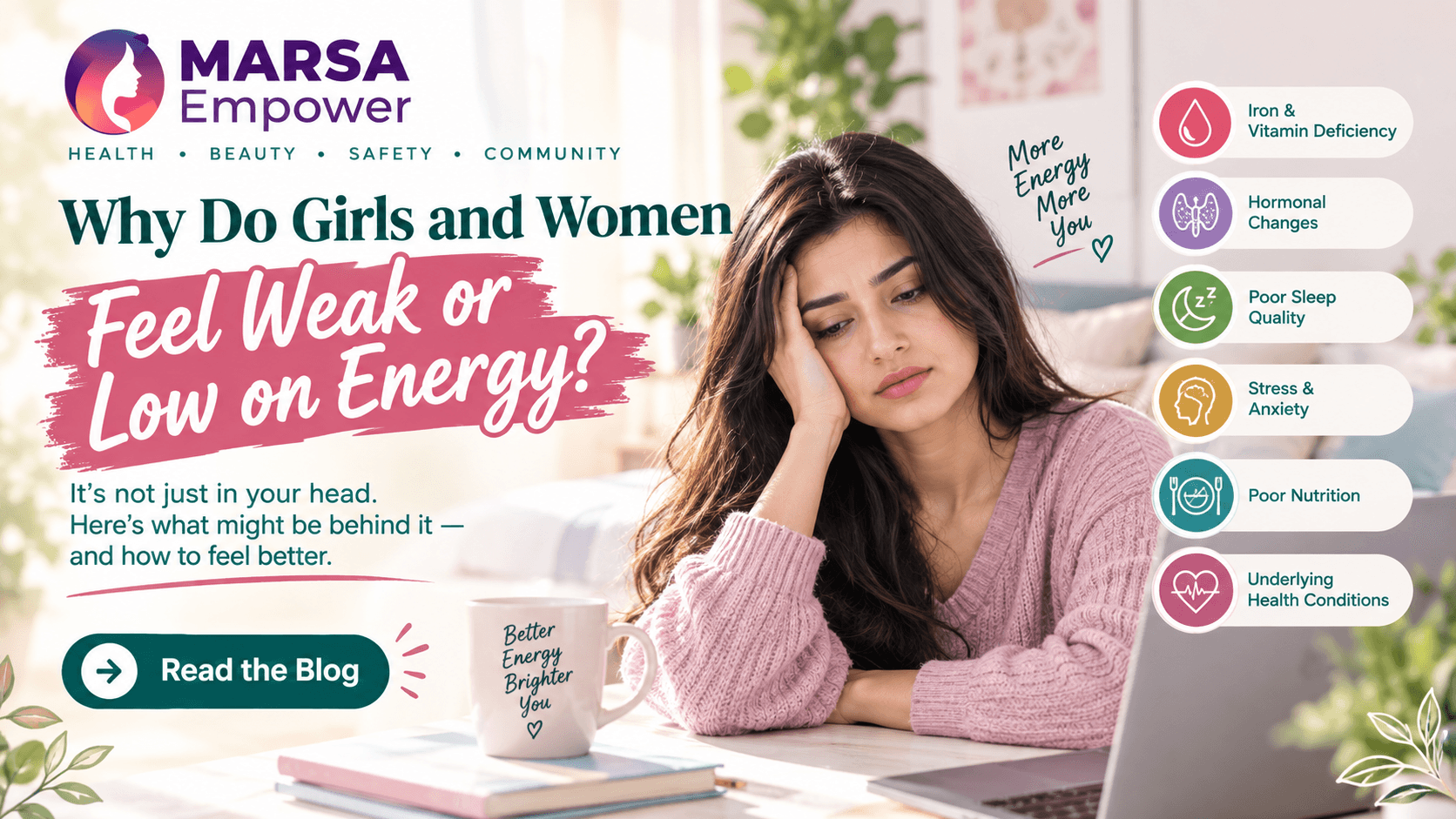
Explore the reasons behind low energy in women, backed by expert insights and actionable tips to boost vitality and well-being.

Maryam Mumtaz
Co-Founder & CEO
13 min read•9/22/2026
Marsa Empower · Women's Health & Everyday Wellness · For Girls & Women Aged 13 and Above · 13 min read
"I'm always tired." This is one of the most common things women say about their health — and one of the most frequently dismissed. By themselves. By the people around them. And sometimes by the healthcare system.
The assumption that tiredness is simply the normal cost of being a busy woman — of managing school, work, family, social life, and personal responsibilities simultaneously — means that fatigue which signals something treatable often goes unaddressed for months or years.
This assumption is wrong, and the consequences are real.
Fatigue is one of the most non-specific symptoms in medicine — meaning it can have an enormous number of causes, ranging from entirely lifestyle-related (too little sleep, too little food, too little water) to nutritionally correctable (iron deficiency, vitamin D deficiency, vitamin B12 deficiency) to medically significant (thyroid disorders, diabetes, anaemia, infections, and others).
The body produces fatigue as a signal. It is communicating something: that it is not getting what it needs, that something is depleting its resources, or that something is not functioning as it should. Listening to that signal — understanding what it might mean, identifying its cause, and addressing it appropriately — is what this guide is designed to support.
Fatigue and weakness are related but distinct experiences, and understanding the difference helps identify likely causes.
Fatigue is a pervasive sense of tiredness or exhaustion that is not fully relieved by sleep. It affects physical energy and often cognitive function — making concentration, memory, and emotional regulation harder alongside the physical tiredness. Fatigue may be present consistently through the day or may worsen at particular times.
Weakness is a more specifically physical experience — a reduction in the actual strength or endurance of muscles, making physical tasks that were previously manageable feel effortful or impossible. Weakness may be localised (affecting specific muscle groups) or generalised (affecting the whole body).
Low energy is the combination — less available physical and mental energy for the demands of daily life than previously, or than expected given sleep and other circumstances.
These experiences exist on a spectrum. Mild, intermittent tiredness with an obvious cause (a late night, a stressful week, a heavy period) is normal and self-limiting. Persistent, heavy fatigue that does not improve with adequate sleep and rest — or that is significantly impairing daily function — is a symptom that deserves attention.
Sleep is the body's primary recovery mechanism. During sleep, the brain consolidates memory, growth hormone drives cellular repair, cortisol resets to its daily minimum, immune function rebuilds, and insulin sensitivity is restored. When sleep is consistently insufficient — whether from late nights, disrupted sleep, or the screen use that delays melatonin and delays sleep onset — every one of these restorative processes is compromised.
The result is fatigue that is not simply tiredness but a systemic impairment of the body's capacity to function. Even one night of significant sleep deprivation produces measurable reductions in cognitive function, emotional regulation, physical performance, immune response, and insulin sensitivity. Across weeks and months of chronic sleep insufficiency, these effects accumulate into the persistent fatigue that many women attribute to their lifestyle demands rather than to an addressable cause.
The body requires adequate calories to fuel every biological process — from thinking to breathing to maintaining body temperature. When caloric intake is consistently insufficient — whether from skipping meals, following very restrictive diets, appetite suppression from stress or illness, or disordered eating — the body does not have the fuel it needs to run all its systems at full capacity.
The result is fatigue, weakness, difficulty concentrating, cold intolerance, and a general functional impairment that cannot be addressed by any amount of rest if inadequate nutrition is its cause.
Even mild dehydration — before obvious thirst develops — impairs physical and cognitive performance. Blood volume falls with fluid deficit, reducing the efficiency of oxygen and nutrient delivery to every cell. The brain is particularly sensitive to dehydration, and mild to moderate fluid deficit produces fatigue, headache, difficulty concentrating, and reduced mood that many women attribute to other causes without recognising dehydration as the driver.
Women who drink primarily tea, coffee, or sugary drinks rather than water — and particularly those who spend long hours in air-conditioned environments that dry the air — are at consistent mild dehydration risk without realising it.
Chronic psychological stress is one of the most physically draining experiences the body undergoes. The sustained elevation of cortisol and adrenaline that characterises chronic stress diverts energy toward stress-response mechanisms at the expense of the body's maintenance and repair systems. Muscles are kept in a state of preparedness. The digestive system is suppressed. Sleep is disrupted. The immune system is modulated. And the continuous processing burden of worry, problem-solving, and emotional management exhausts the brain's executive resources.
The physical fatigue of chronic stress is real and measurable — not a weakness or an overreaction. It is the predictable physiological consequence of sustained sympathetic nervous system activation.
Counter-intuitively, a sedentary lifestyle produces fatigue rather than conserving energy. Regular physical activity improves cardiovascular efficiency (the heart and lungs deliver oxygen to the body's cells more effectively), increases mitochondrial density in muscle cells (improving energy production), improves sleep quality, reduces cortisol, and increases the circulating levels of serotonin and dopamine that support alertness, mood, and motivation.
Women who are significantly physically inactive often report persistent fatigue that improves substantially when regular moderate exercise is introduced — even though the exercise itself uses energy.
The opposite extreme — overtraining without adequate recovery — also produces fatigue. When physical demands consistently exceed the body's capacity to recover between sessions, the resulting overtraining syndrome produces persistent fatigue, reduced performance, mood disturbance, and immune suppression. This is relevant for athletic teenage girls and women in demanding physical roles.
Beyond the caloric effect of insufficient total intake, meal timing also matters. Long gaps between eating allow blood sugar to fall, which triggers a cortisol response and reduces the glucose availability that the brain specifically requires for function. The afternoon energy slump that many women experience is often partly driven by insufficient or poorly timed food intake, particularly when breakfast is skipped.
The cognitive and emotional demands of sustained busy routines — sustained concentration, decision-making, emotional management, and the management of multiple competing responsibilities — deplete the brain's executive function resources over the day in ways that produce the mental fatigue of a demanding routine. This "mental fatigue" is a real physiological depletion, not simply a feeling, and it requires genuine recovery — adequate sleep, reduced cognitive demands during recovery periods, and appropriate stress management — rather than simply pushing through.
Several specific nutritional deficiencies produce fatigue as a prominent or defining symptom, and are significantly more common in women than men. Identifying and correcting these deficiencies is one of the most impactful interventions available for persistent fatigue.
Iron deficiency — and iron deficiency anaemia when deficiency has progressed to affect haemoglobin — is the most common nutritional cause of fatigue in women worldwide, and the most consistently underestimated.
Iron is required for haemoglobin production — the protein in red blood cells that carries oxygen throughout the body. When iron stores are depleted and haemoglobin falls, oxygen delivery to every cell in the body falls. The result is fatigue, weakness, breathlessness on exertion, cold intolerance, difficulty concentrating (brain fog), hair thinning, pale skin (particularly visible in the inner lower eyelid), and reduced physical performance — a constellation of symptoms that many women have normalised as "just how they feel" rather than recognising as a correctable nutritional problem.
Women who menstruate lose iron monthly through blood loss, and women with heavy periods lose significantly more. The iron requirements to replace this monthly loss, on top of general daily requirements, mean that many women — particularly those who eat little meat, follow plant-based diets, or have heavy periods — run a consistent iron deficit that progressively depletes stores over months and years.
The most important test: Serum ferritin — not just haemoglobin — measures iron stores directly and identifies deficiency before anaemia develops. A haemoglobin test alone misses early to moderate iron deficiency that is already causing fatigue. Any woman with persistent, heavy fatigue should have serum ferritin tested.
Vitamin B12 is essential for red blood cell production and nervous system function. Its deficiency produces megaloblastic anaemia (large, dysfunctional red blood cells) and — over time if untreated — neurological damage. The fatigue of B12 deficiency is the heavy, persistent anaemic fatigue of impaired oxygen delivery, alongside the neurological symptoms of numbness and tingling in the extremities, cognitive changes, and low mood.
B12 is found almost exclusively in animal foods — meat, fish, eggs, and dairy. Women following vegetarian or vegan diets, those with digestive conditions impairing B12 absorption (including those on long-term metformin for PCOS), and older women with reduced gastric acid production are at highest risk.
Vitamin D deficiency is one of the most common nutritional deficiencies globally, and the association between significant vitamin D deficiency and fatigue is well-documented. Vitamin D receptors are present in nearly every cell in the body, and adequate vitamin D is required for normal energy metabolism, immune function, muscle function, and mood regulation.
In Pakistan and South Asia, vitamin D deficiency is extremely prevalent due to indoor lifestyles, skin coverage reducing sun exposure, and the relative inefficiency of darker skin tones at synthesising vitamin D from sunlight. Studies have found deficiency in the majority of women tested in these populations.
A 25-OH vitamin D blood test identifies deficiency, and supplementation based on test results corrects it — with many deficient women reporting meaningful improvement in energy alongside other benefits.
Protein provides the amino acids from which every enzyme, hormone, immune molecule, and structural cell component is built. Adequate protein is also essential for stable blood sugar — protein in meals slows the release of glucose into the bloodstream, producing more sustained energy compared to carbohydrate-dominated meals without protein.
Women who eat primarily carbohydrates with minimal protein — either from dietary choices or from the skipping of meals that commonly provide protein (breakfast, in particular) — often experience the energy instability, afternoon crashes, and overall fatigue that inadequate protein contributes to.
Very low-calorie diets — below approximately 1,200 calories per day for most women — reduce total energy intake below what the body's basic metabolic needs require. The metabolic response to persistent caloric restriction includes a reduction in metabolic rate (the body burns fewer calories to conserve the limited supply), reduction in thyroid hormone activity, elevation of cortisol, and the depletion of glycogen and eventually muscle protein for energy. All of these produce the persistent fatigue and weakness that women following very restrictive diets commonly experience.
When fatigue persists despite addressing the lifestyle and nutritional factors above, or when it is accompanied by other symptoms suggesting a medical cause, the following conditions should be considered and investigated.
Anaemia is a state in which the blood has insufficient functional red blood cells or haemoglobin to carry adequate oxygen to the body's tissues. Iron deficiency is the most common cause, but anaemia can also result from vitamin B12 deficiency (megaloblastic anaemia), folate deficiency, chronic inflammatory conditions, blood disorders, and other causes. All types of anaemia share the same final pathway — reduced oxygen delivery — and therefore produce similar fatigue, breathlessness, and physical weakness symptoms.
A full blood count (FBC) identifies anaemia and characterises the type, guiding further investigation and treatment.
Both major forms of thyroid dysfunction produce fatigue as a prominent symptom.
Hypothyroidism (underactive thyroid) slows the metabolic rate of every cell in the body. The result is a progressively worsening energy deficit that is characteristically described as a heavy, unrelenting fatigue that even extended rest does not relieve. It is typically accompanied by weight gain despite unchanged diet, cold intolerance, hair thinning (including the outer third of the eyebrows in more advanced cases), dry skin, constipation, and low mood. Hypothyroidism is five to eight times more common in women than men and is among the most consistently missed diagnoses because its symptoms develop gradually and overlap with common lifestyle fatigue.
Hyperthyroidism (overactive thyroid) exhausts the body through an accelerated metabolic rate that rapidly depletes energy reserves. The fatigue here is different in character — accompanied by unintentional weight loss despite increased appetite, heat intolerance, anxiety, tremor, and rapid or irregular heartbeat.
Thyroid function testing (TSH and free T4) is a simple, accessible blood test that identifies both conditions.
Both undiagnosed or poorly controlled type 2 diabetes and the pre-diabetic state of insulin resistance produce fatigue through their effects on cellular energy metabolism. When cells cannot take up and use glucose effectively — because insulin resistance prevents the normal glucose entry into cells — energy production is impaired and fatigue results despite adequate food intake.
Symptoms suggesting diabetes or significant insulin resistance alongside fatigue include excessive thirst and urination, blurred vision, slow wound healing, darkened skin patches around the neck or underarms (acanthosis nigricans), and unexplained weight changes. Fasting blood glucose and HbA1c testing identify these conditions.
Acute infections produce fatigue through direct immune activation — the energy cost of mounting an immune response is substantial and diverts resources away from normal daily function. This explains the profound fatigue of flu, COVID-19, and other significant viral or bacterial infections.
Importantly, fatigue can persist after the acute illness has resolved — post-viral fatigue is well-documented and can continue for weeks to months after infections including COVID-19 (long COVID), glandular fever (infectious mononucleosis), and other viral illnesses. This post-infectious fatigue is not a character weakness or an overreaction — it reflects ongoing immune system and cellular metabolic disruption that requires time and appropriate rest to resolve.
Chronic infections — including certain bacterial and parasitic infections more common in some geographic regions — can also produce persistent fatigue through sustained immune activation and the nutritional depletion they cause.
Low blood pressure (hypotension) reduces blood flow to the brain and body, producing fatigue, lightheadedness (particularly on standing), difficulty concentrating, and weakness. It is significantly more common in women than men and may be constitutional (simply how an individual's cardiovascular system is calibrated) or related to dehydration, nutritional deficiencies, pregnancy, medication effects, or underlying medical conditions.
Several other conditions deserve mention as possible causes of persistent fatigue in women.
Coeliac disease produces chronic fatigue through malabsorption of multiple nutrients — the immune-mediated intestinal damage prevents adequate absorption of iron, vitamin D, B vitamins, and other nutrients even when dietary intake is adequate.
Depression and anxiety produce profound fatigue alongside their mood and cognitive effects. The neurobiological changes of depression — altered neurotransmitter activity, disrupted sleep architecture, elevated cortisol — are directly energy-depleting. Fatigue is one of the most consistently reported symptoms of depression in women.
Fibromyalgia is a chronic pain and fatigue condition affecting women significantly more than men, characterised by widespread musculoskeletal pain, profound fatigue, and sleep disturbance.
Autoimmune conditions — including lupus, rheumatoid arthritis, and others that are more prevalent in women — can cause fatigue through chronic inflammation and immune activation.
Fatigue in the days before and during menstruation is one of the most universal women's health experiences, and it has several specific causes.
In the premenstrual phase, falling progesterone and oestrogen affect sleep quality, mood regulation, and energy metabolism. The progesterone crash of the late luteal phase is particularly associated with fatigue, low mood, and difficulty with concentration and motivation — the classic PMS energy drain.
During menstruation itself, blood loss directly reduces haemoglobin and iron — particularly in women with heavier periods. Even women without chronic iron deficiency anaemia may experience a transient reduction in functional iron and haemoglobin on the heaviest flow days, contributing to the fatigue and weakness that many women experience most acutely on days one and two of their period.
Prostaglandins — the compounds that drive uterine contractions and cramping — also affect other body systems in ways that contribute to the nausea, bowel changes, and general physical unwellness of the first period days.
For women with heavy periods, the cumulative monthly iron loss produces the progressively worsening fatigue of iron deficiency anaemia that worsens over the reproductive years if not addressed through dietary iron and, when needed, supplementation.
Teenage girls are at particularly high risk of the energy-depleting factors described in this guide, and at particularly high risk of having their fatigue dismissed as a normal feature of being a busy teenager.
Sleep deprivation is extremely prevalent among teenage girls — the combination of the naturally later circadian timing of adolescence, school start times that conflict with that timing, academic pressure, and late-night screen use produces chronic sleep insufficiency that is one of the most significant contributors to teenage fatigue.
Iron deficiency develops from the combination of monthly iron loss from newly established periods, dietary patterns that often do not include adequate iron-rich foods, and the elevated iron demands of rapid adolescent growth. Iron deficiency is the single most common nutritional deficiency among teenage girls in most countries, including Pakistan.
Nutritional inadequacy from skipping breakfast, irregular meal patterns, low protein intake, and inadequate caloric intake — whether from busy schedules or from dietary restriction driven by appearance concerns — consistently undermines energy in teenage girls.
Stress and anxiety are elevated in teenage girls beyond most other demographic groups, and the physiological fatigue of chronic stress is compounded by the cortisol disruption of inadequate sleep and nutrition.
Any teenage girl with persistent fatigue deserves a thorough assessment rather than the reassurance that it is normal. The most important first blood tests are serum ferritin (iron stores), haemoglobin, thyroid function (TSH), and vitamin D.
Fatigue during pregnancy is one of the most consistently reported and most profound pregnancy experiences — and its causes are entirely understandable.
In the first trimester, rapidly rising progesterone (which has a sedating effect), the enormous metabolic and immune adaptation work of early pregnancy, and the frequent nausea that reduces food and fluid intake all combine to produce fatigue that many women describe as unlike anything they have previously experienced — a bone-deep exhaustion that may require lying down even in the middle of the day.
Most women find first trimester fatigue improves in the second trimester as the body adjusts to the hormonal and metabolic demands of pregnancy.
Third trimester fatigue returns as the physical demands of carrying a full-term pregnancy increase, sleep becomes harder to achieve and maintain, and the heart and lungs work harder to supply the needs of the growing baby.
Pregnancy anaemia — from the increased iron demands of pregnancy not being met by dietary intake — significantly worsens pregnancy fatigue. Adequate iron intake and regular antenatal haemoglobin monitoring are important for identifying and addressing this.
These two factors deserve particular emphasis because they are simultaneously the most common modifiable causes of fatigue in women and the most consistently under-addressed.
Sleep is not a passive state. It is the period during which the body performs its most critical maintenance and repair work — the processes that determine how well every other body system functions the following day. Consistently shortchanging sleep to meet other demands produces a cumulative physiological debt that cannot be repaid by willpower, caffeine, or any amount of activity. Most adult women need seven to nine hours of quality sleep per night. Most teenage girls need eight to ten hours. Meeting these targets consistently is the most impactful single change available for energy management.
Chronic stress maintains cortisol at elevated levels that directly deplete energy reserves, impair sleep quality, suppress digestive function, worsen insulin resistance, and drive the emotional and cognitive exhaustion that compounds physical fatigue. No amount of nutritional optimisation or sleep quantity can fully compensate for chronic, unmanaged stress. Stress management is not optional self-care for women — it is a direct health intervention for one of the most common and most debilitating features of women's daily experience.
Include protein, complex carbohydrates, healthy fat, and vegetables at every meal. This combination produces stable blood sugar, sustained satiety, and the micronutrient intake that supports energy metabolism. Protein at every meal is particularly important — it stabilises blood sugar and provides the amino acids needed for cellular energy production.
Six to eight glasses of fluid per day under normal conditions, more during exercise, heat, or illness. Start the day with a glass of water before any food or caffeine. Keep water accessible throughout the day.
Protect seven to nine hours of sleep per night (eight to ten for teenagers). Consistent sleep and wake times — even on weekends — support the circadian rhythms that govern energy throughout the day. Remove screens from the bedroom or put them on aeroplane mode 60 minutes before sleep to allow melatonin to rise naturally.
Regular moderate physical activity — at minimum 30 minutes of brisk walking most days — improves energy through every mechanism described above: improved cardiovascular efficiency, better sleep quality, reduced cortisol, increased neurotransmitter support, and improved insulin sensitivity. Start modestly if starting from sedentary — even ten minutes of walking is better than none and builds toward a sustainable routine.
Regular exercise (the most consistently effective cortisol-reducing intervention). Adequate sleep. Social connection and support. Breathwork — slow breathing exercises that activate the parasympathetic nervous system. Setting realistic expectations and boundaries on demands. And professional support when stress, anxiety, or depression is significant.
Eat breakfast, lunch, and dinner every day. Include a nutritious mid-morning and afternoon snack if genuine hunger is present. Eating regularly maintains stable blood sugar, provides consistent energy availability, and prevents the cortisol response of prolonged fasting.
Rest is not the same as sleep. Deliberate downtime — quiet time without active demands, without screens, without decision-making — allows the nervous system to partially recover from the demands of a busy day. Even 20 to 30 minutes of genuine rest — reading, sitting outdoors, prayer, meditation — reduces the cumulative cognitive fatigue of a demanding routine.
The following patterns of fatigue warrant medical evaluation rather than lifestyle management alone.
Fatigue that is persistent — present most days for several weeks without an obvious resolving cause. Fatigue that is significantly impairing — preventing attendance at school or work, significantly reducing daily function, or requiring rest that is disproportionate to activity level. Fatigue that does not improve with adequate sleep, nutrition, hydration, and stress reduction. Fatigue accompanied by other new symptoms — unexplained weight changes, changes in hair, skin, or nails, excessive thirst or urination, changes in bowel habits, breathlessness on previously easy activities, feeling cold when others are comfortable, or any other systemic change. Fatigue that has progressively worsened over months. Fatigue accompanied by low mood or emotional changes suggesting depression. Fatigue in a teenager that is significantly affecting school attendance or academic performance. Fatigue in a woman with heavy periods or a known risk of nutritional deficiency.
Arrange a medical appointment if fatigue meets any of the criteria above. When you attend, bring as much specific information as possible — when the fatigue began, whether it has worsened, what it prevents you from doing, whether it varies across the day or cycle, what lifestyle factors have been addressed, and what other symptoms are present.
The initial investigations most commonly relevant for fatigue in women include a full blood count (FBC), serum ferritin, thyroid function (TSH and free T4), 25-OH vitamin D, vitamin B12, fasting blood glucose, and depending on history, additional tests for conditions suggested by accompanying symptoms.
A healthcare professional will interpret these results alongside the clinical history to identify the most likely cause and guide appropriate management.
Fatigue is one of the most common health concerns among Marsa Empower's users — and the platform provides specific tools that support understanding, tracking, and addressing it.
Where Marsa helps — Health Hub energy and cycle tracking. Marsa's Health Hub allows women to track their energy levels daily alongside their menstrual cycle, sleep, stress, and other health patterns. Over several weeks and cycles, this tracking reveals the specific patterns most relevant to each woman's fatigue — whether energy consistently falls in the premenstrual phase, whether it correlates with poor sleep nights, whether it has been progressively declining over months. This documented pattern transforms vague fatigue into specific, dated information that is far more useful for medical consultations.
Why this matters. Women who attend a medical appointment saying "I've been tired for months" without supporting documentation are at risk of being reassured without investigation. Women who arrive with a three-month energy tracking record showing that fatigue has been consistently rated 7 to 9 out of 10 severity for eleven weeks, correlates with heavy periods, and is accompanied by new breathlessness on the stairs, have documented evidence that supports appropriate investigation.
Health education resources. Marsa's educational content explains the nutritional deficiencies most commonly causing fatigue in women — iron, vitamin D, B12, and protein — alongside the specific symptoms that suggest each, the foods that address them, and when blood testing is the appropriate next step.
Smart Nutrition guidance. Marsa's nutrition resources guide women toward the specific dietary patterns most likely to support sustained energy — adequate protein at every meal, iron-rich foods paired with vitamin C, consistent hydration, reduced refined carbohydrate intake that causes blood sugar instability, and the specific micronutrients most relevant to energy metabolism in women.
AI health guidance — Digital Doctors. Women who are uncertain whether their fatigue warrants medical attention, what tests to ask for, or what the most likely cause of their specific pattern of fatigue might be can access Marsa's Digital Doctors for clear, educational guidance — and direction toward professional care when it is needed.
Important note. Marsa Empower is a health education and wellness companion. Persistent, significant, or medically concerning fatigue requires evaluation by a qualified healthcare professional. Marsa helps women prepare for and understand that process — it does not substitute for it.
Why do I feel weak even after sleeping?
Several conditions produce fatigue that sleep does not relieve. Iron deficiency anaemia impairs oxygen delivery to cells — no amount of sleep restores energy when the blood cannot carry adequate oxygen. Hypothyroidism slows cellular energy metabolism at a fundamental level that sleep cannot compensate for. Poor sleep quality (from sleep apnoea, anxiety, or sleep architecture disruption) means that the time in bed is not producing restorative sleep despite appearing adequate in duration. Depression disrupts sleep quality and produces energy-depleting neurobiological changes independently of sleep amount. Any fatigue that persists despite genuinely adequate, quality sleep warrants blood testing to identify a medical cause.
Can low iron cause weakness?
Yes, significantly. Iron is required for haemoglobin — the oxygen carrier in red blood cells. When iron is depleted, oxygen delivery to every cell falls, and the body produces the profound fatigue, weakness, breathlessness on exertion, and cold intolerance that are the cardinal symptoms of iron deficiency anaemia. In women, this is the most common nutritional cause of weakness, and serum ferritin testing (which measures iron stores directly, more sensitively than haemoglobin alone) is the appropriate first investigation.
Can periods make girls and women feel tired?
Yes. The premenstrual hormonal decline of oestrogen and progesterone affects sleep, mood, and energy. During menstruation, blood loss — and particularly heavy blood loss — transiently reduces haemoglobin and iron, contributing to the fatigue of the first period days. In women with heavy periods, the cumulative monthly iron loss produces the progressively worsening fatigue of iron deficiency anaemia over time.
Can dehydration cause low energy?
Yes. Even mild dehydration reduces blood volume, impairs oxygen and nutrient delivery to cells, and produces the fatigue, headache, and difficulty concentrating that many women attribute to other causes. Consistent adequate hydration — six to eight glasses daily, more during exercise and heat — is one of the simplest and most overlooked energy management strategies.
Can stress make you feel physically weak?
Yes. Chronic stress maintains cortisol elevation that depletes physical and cognitive energy reserves, disrupts sleep quality, suppresses digestive function, and drives the physical exhaustion that is one of the most common presentations of chronic stress in women. The physical weakness of chronic stress is real and physiological — not imagined or dramatic.
When is tiredness a sign of a health problem?
Fatigue warrants medical investigation when it is persistent (most days for several weeks without clear cause), significantly impairing (preventing normal daily activities), not improving with adequate sleep and lifestyle attention, accompanied by other new symptoms, progressively worsening over months, or present in a teenage girl who is missing school or significantly underperforming academically. Iron deficiency, thyroid dysfunction, vitamin D deficiency, B12 deficiency, diabetes, and depression are the most common medical causes that warrant investigation.
Women's fatigue is real, common, and — more often than is recognised — correctable.
The most important step is resisting the cultural instruction to simply push through tiredness as the normal price of a busy life. Persistent, significant fatigue is a signal from the body that deserves to be heard rather than silenced. It is asking for something — more sleep, more iron, more water, better nutrition, less cortisol, or medical investigation of an underlying condition — and addressing that request specifically and appropriately is what restores energy sustainably.
Start with the most common and most correctable causes: sleep, hydration, regular balanced meals, and iron-rich foods. Track the pattern, the severity, and the accompanying circumstances. And if fatigue persists despite genuine, consistent attention to these foundations — or if it is accompanied by other symptoms — arrange a blood test appointment, bring your documented history, and advocate for the investigation that your symptoms warrant.
Your energy matters. Your capacity to function well, engage with your life, and feel present in your own body matters. And the causes of fatigue in women are far more often identifiable and correctable than the cultural dismissal of women's tiredness implies.
Educational Disclaimer
This article is for educational and awareness purposes only. It does not constitute medical advice, diagnosis, or treatment. If you have persistent, significant, or concerning fatigue, or fatigue accompanied by other symptoms, please consult a qualified healthcare professional for personalised evaluation, appropriate blood testing, and guidance.
Marsa Empower | Care. Safety. Growth.
Visit marsaempower.com to track your energy, sleep, and health patterns, access women's health education, and explore nutritional guidance built for every stage of a woman's life.
Medical Disclaimer
This article is for general informational and educational purposes only and is not a substitute for professional medical advice, diagnosis, or treatment. Always seek the advice of a qualified healthcare provider with any questions you may have regarding a medical condition. Never disregard professional medical advice or delay seeking it because of something you have read on MARSA Empower.
Written By
Maryam Mumtaz
Co-Founder & CEO
Co-Founder of MARSA Empower who leads the visual and strategic evolution of the platform. Maryam bridges technical complexity with human-centric design, architecting the team's official roadmap and ensuring MARSA effectively addresses the real-world needs of women. With deep expertise in agentic AI, full-stack development, and UI/UX design, she has delivered 50+ projects for 30+ satisfied clients.
Enjoyed this story?